

Pilot projects – heritage and food culture
Pilot projects: Heritage & food culture

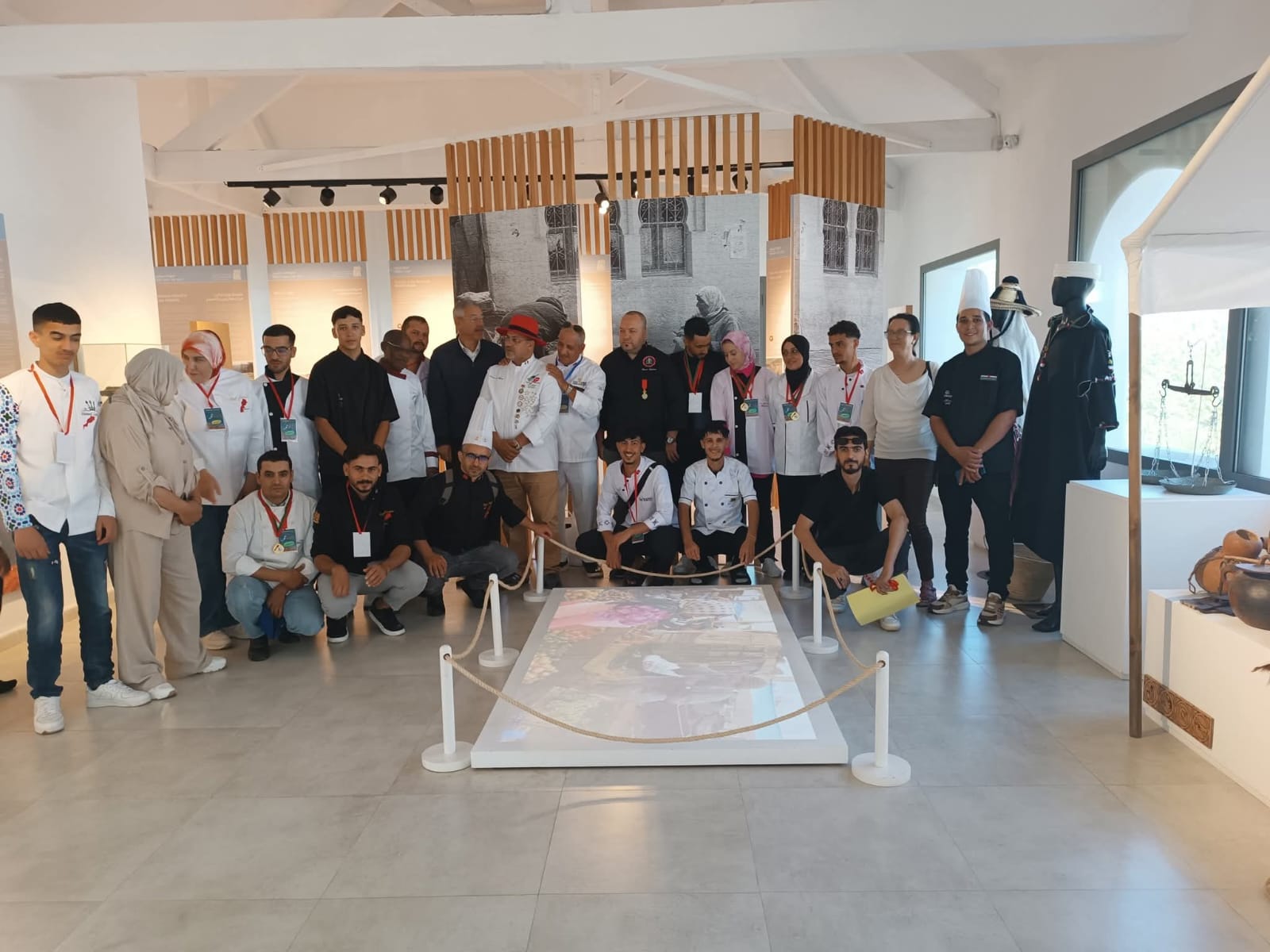
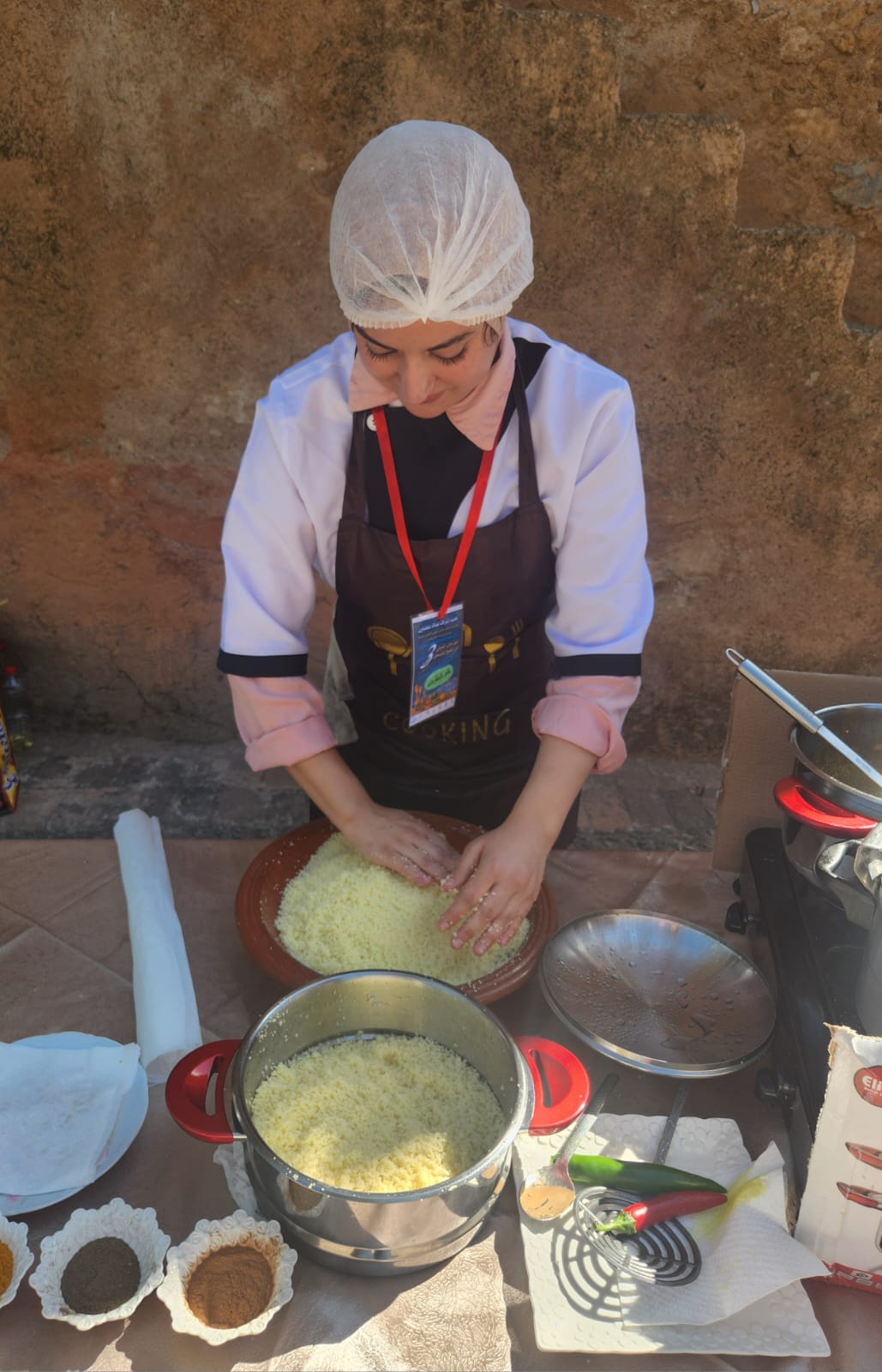
Chefchaouen Mediterranean Diet Label
Heritage and food culture
Chefchaouen, Morocco
Project description: The Chefchaouen Mediterranean Diet Label certifies restaurants and producers that align with the principles of the Mediterranean Diet. It promotes sustainable food practices, supports local businesses, and preserves Chefchaouen’s UNESCO-recognised food heritage, helping the city balance tourism and development while protecting its unique culinary and cultural identity.
Main achievements so far:
The project is in the process of registering the label, setting up a labelling committee, drafting the label criteria, and establishing linkages with existing food initiatives such as the Mediterranean Diet museum. A city-wide awareness campaign, and dedicated restaurant trainings on the Mediterranean Diet principles will begin in the next few months.
Local and quality food for Dakar schools
Local food
Dakar, Senegal
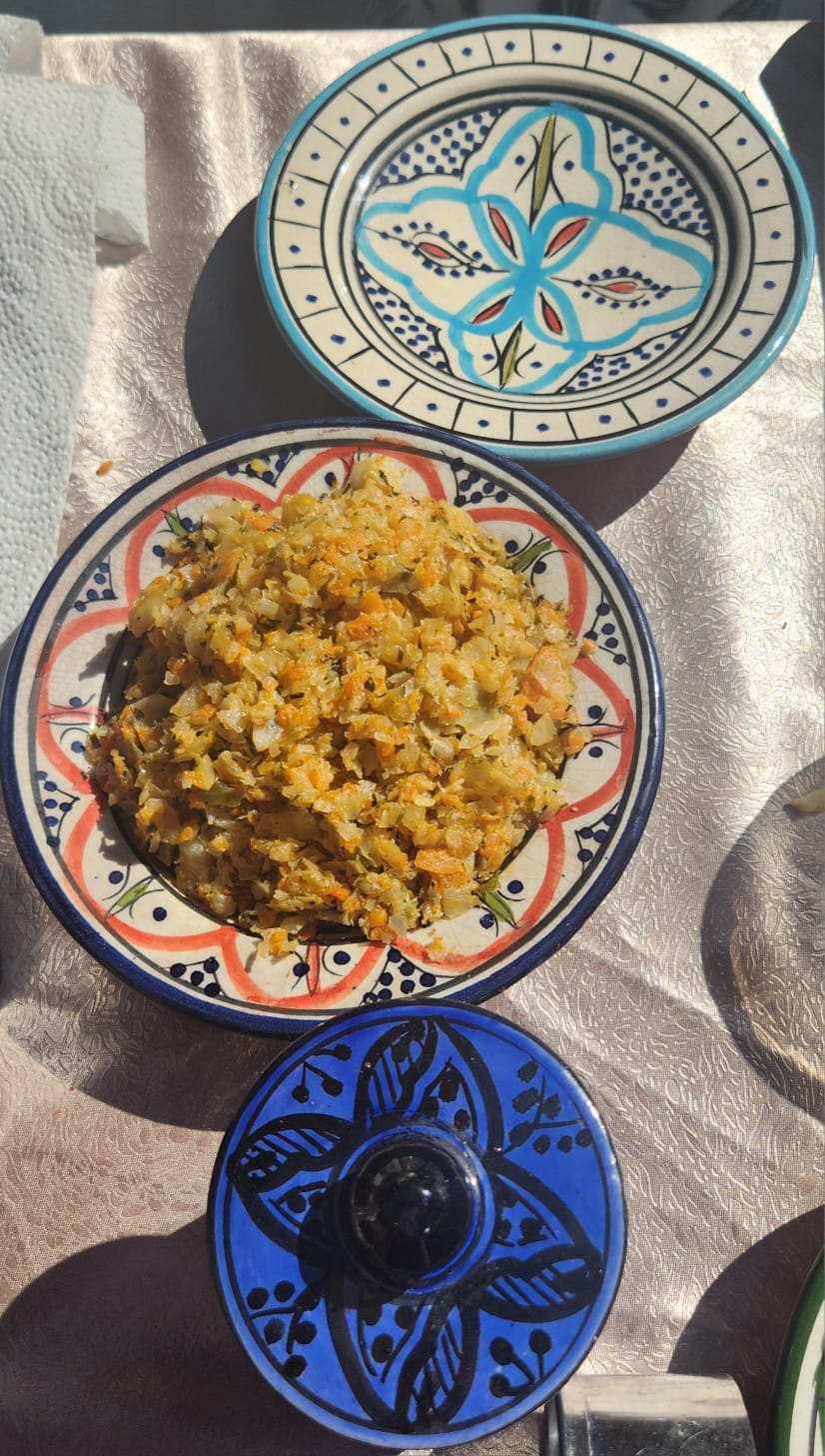
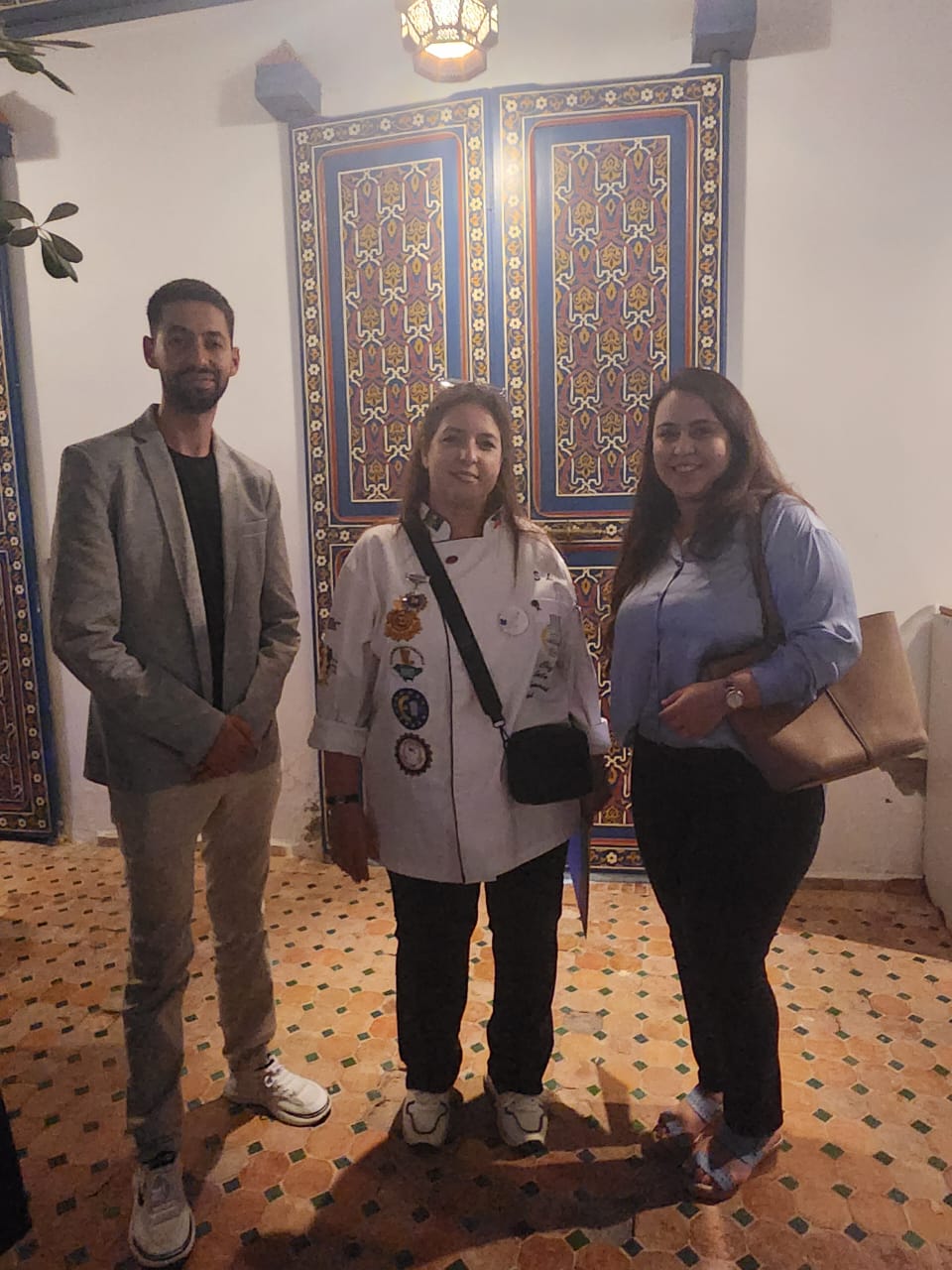
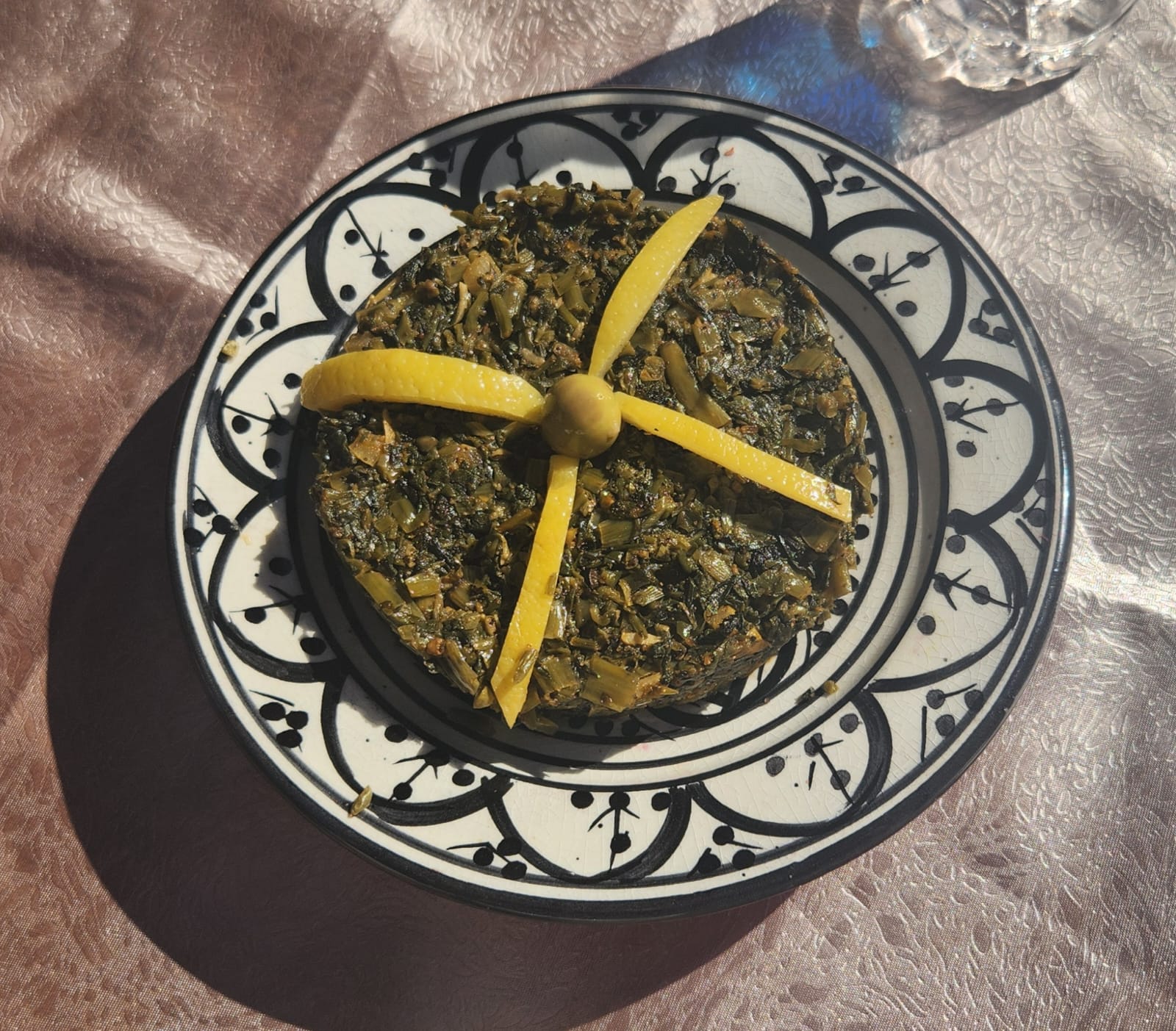
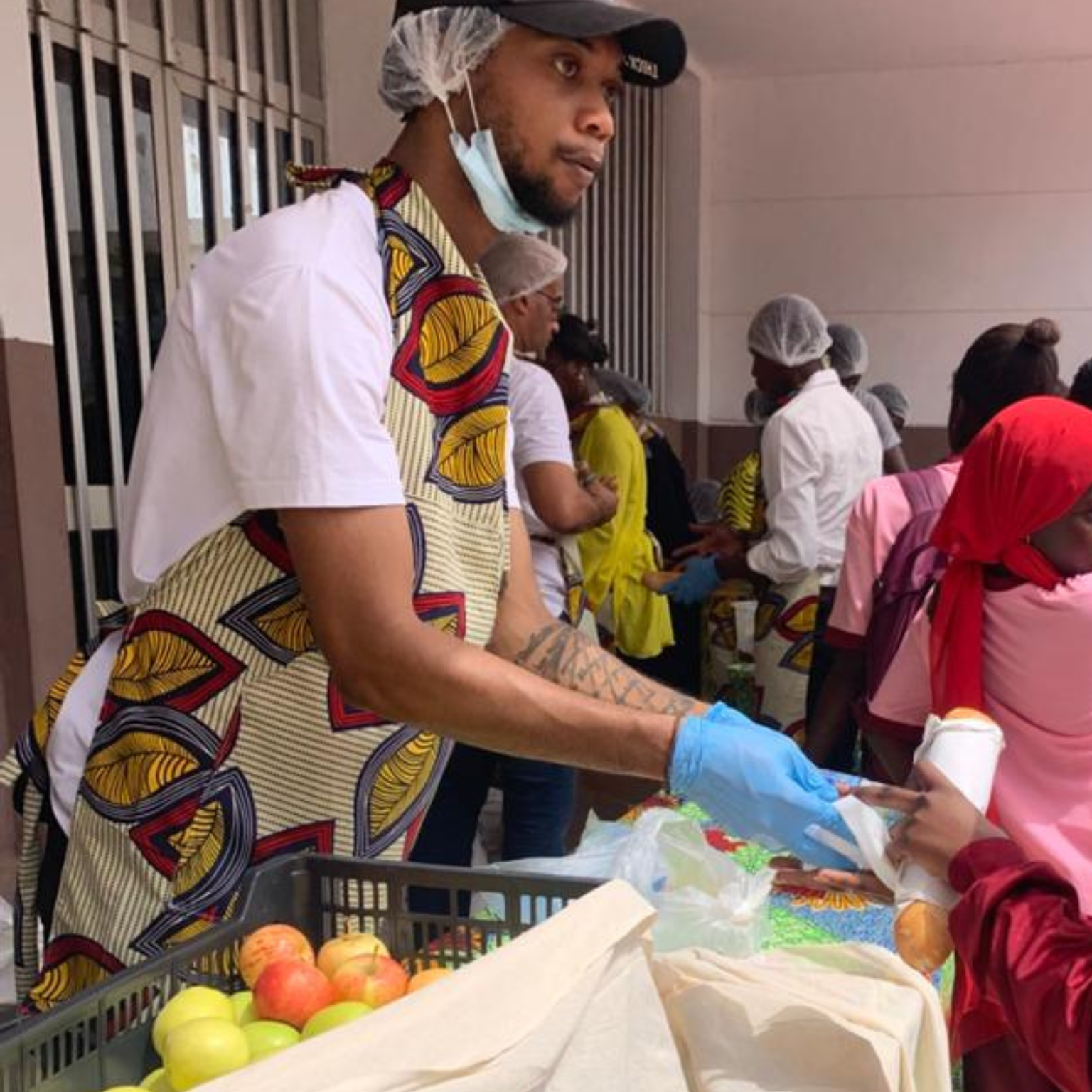
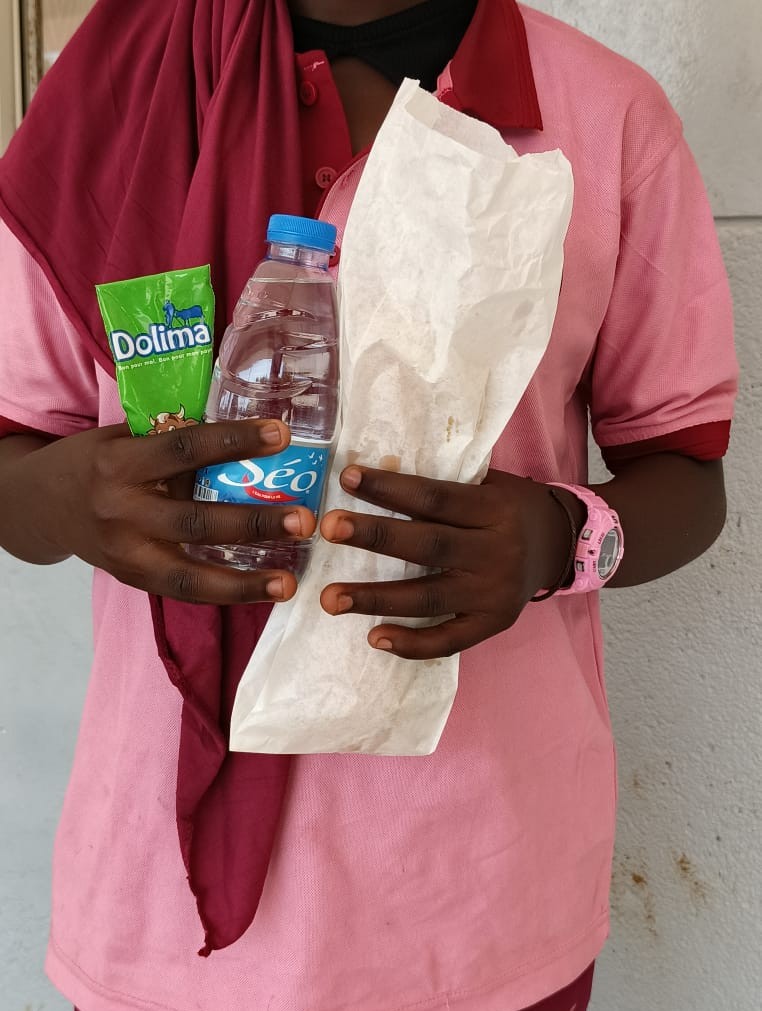
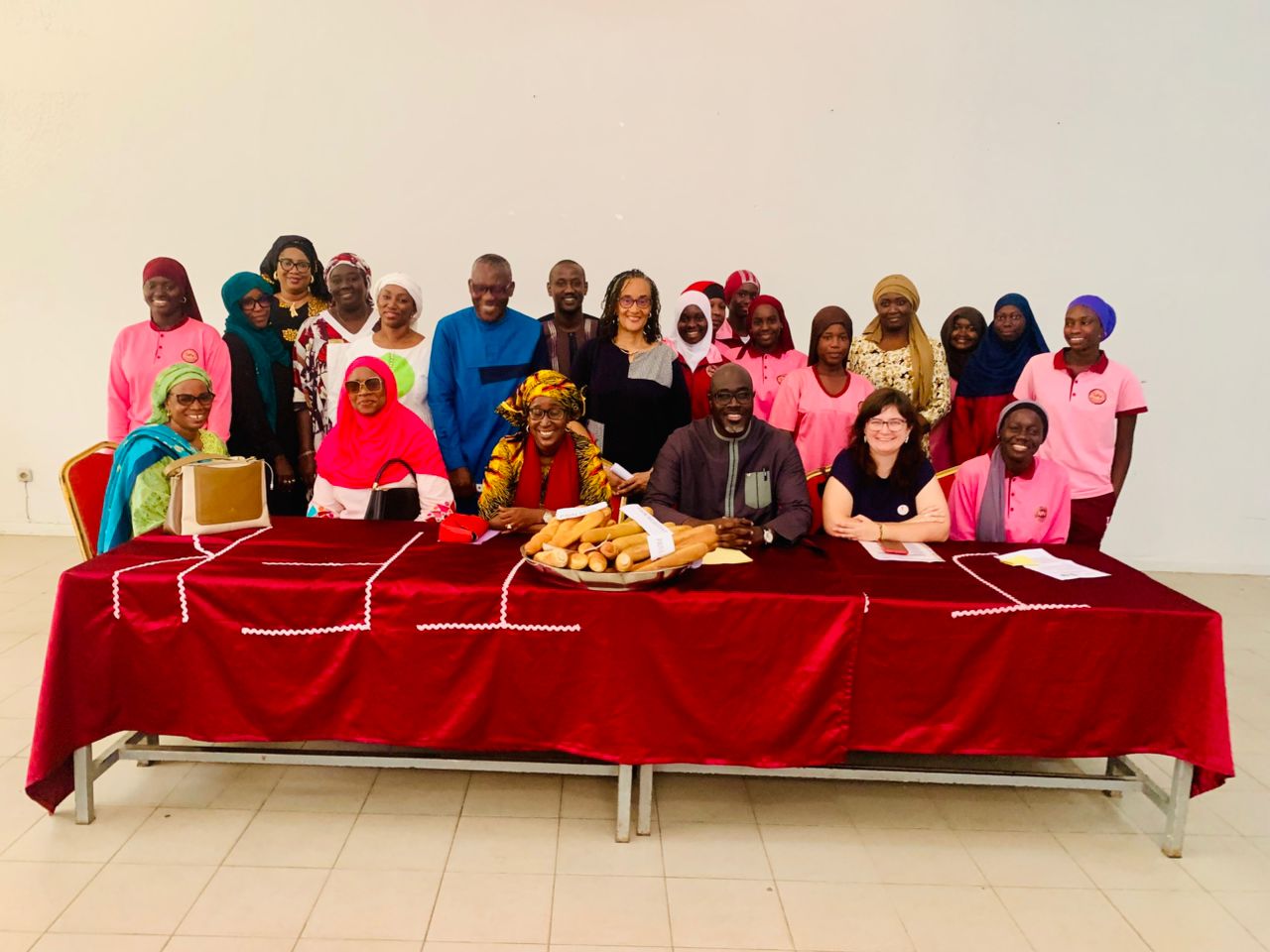
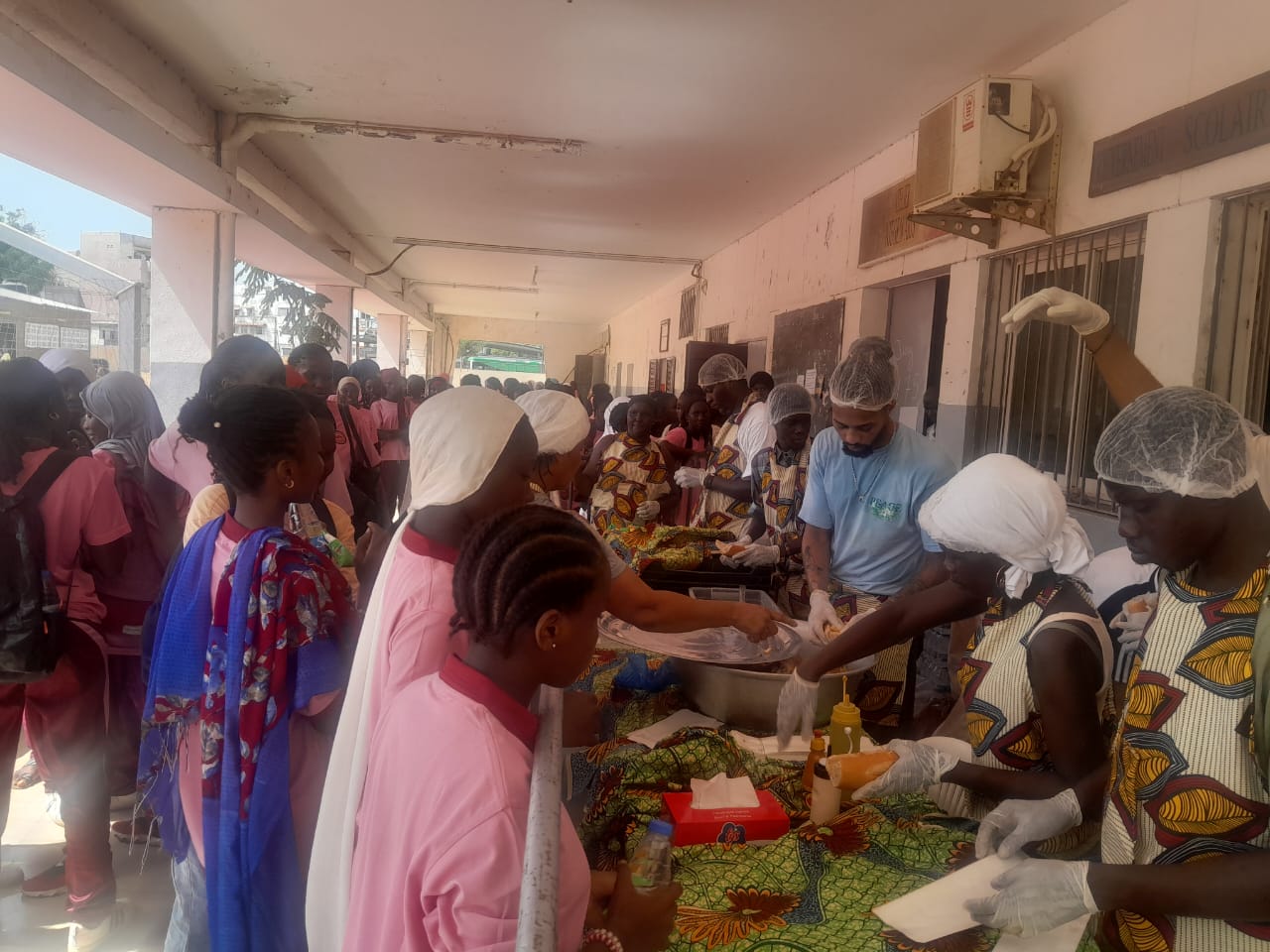
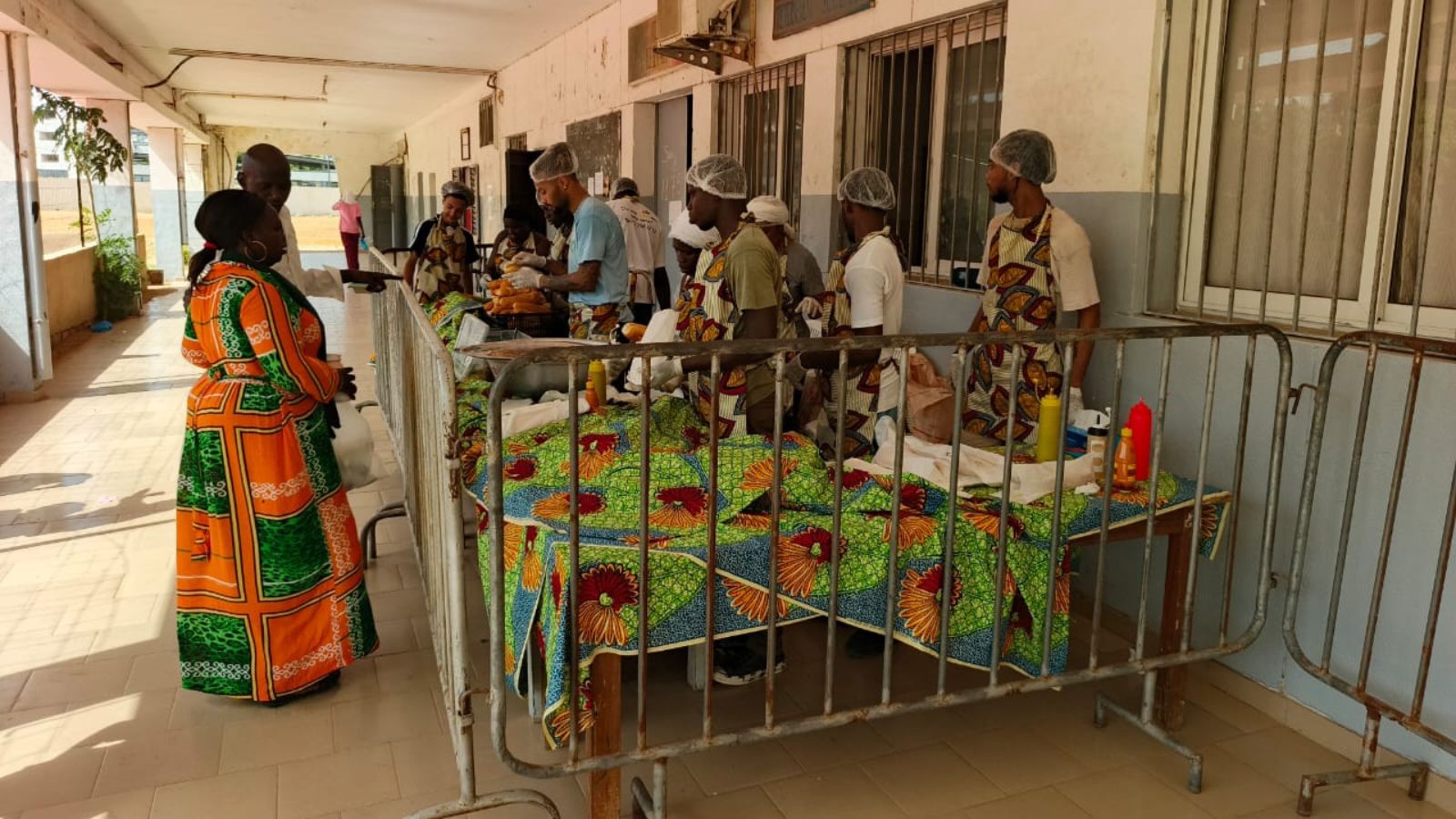
Project description:This pilot at Dakar’s Lycée Kennedy, a public girls’ high school of 2,600 students from low-income backgrounds, tests a sustainable model to ensure regular access to healthy, affordable snacks. It links local producers, school gardens and nutrition education, aiming for a financially viable, socially inclusive and replicable school food system.
Main achievements so far: The pilot has begun shifting the school food environment by introducing structured access to healthier, locally sourced snacks and reducing reliance on informal, low-quality options. Early monitoring has provided operational evidence on service organisation and student uptake. We are most proud of laying the foundations for a more coherent, nutrition-driven school food system.
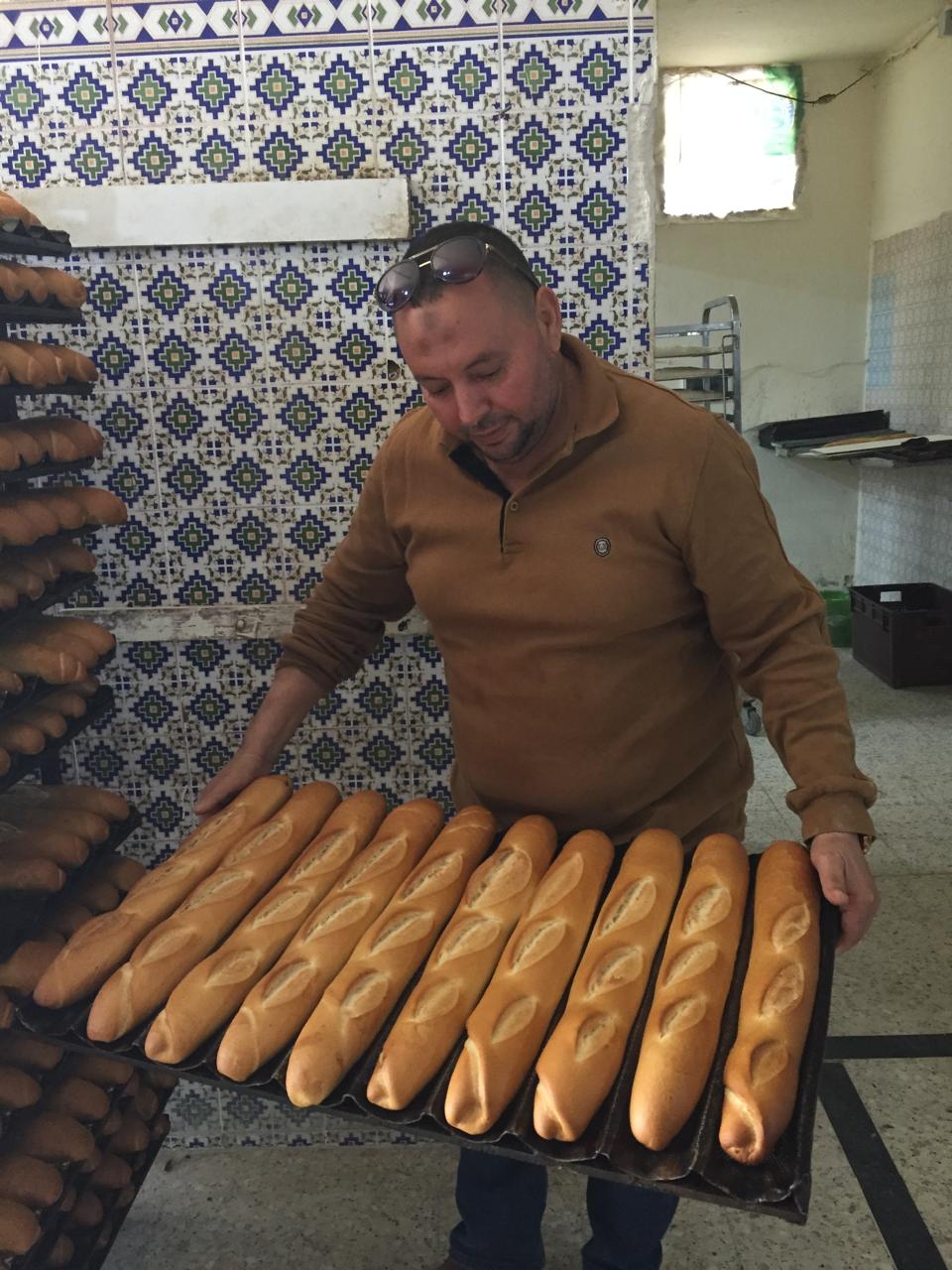
Reformulation of the subsidized bread in Tunis city
Access to healthy and affordable food
Tunis, Tunisia
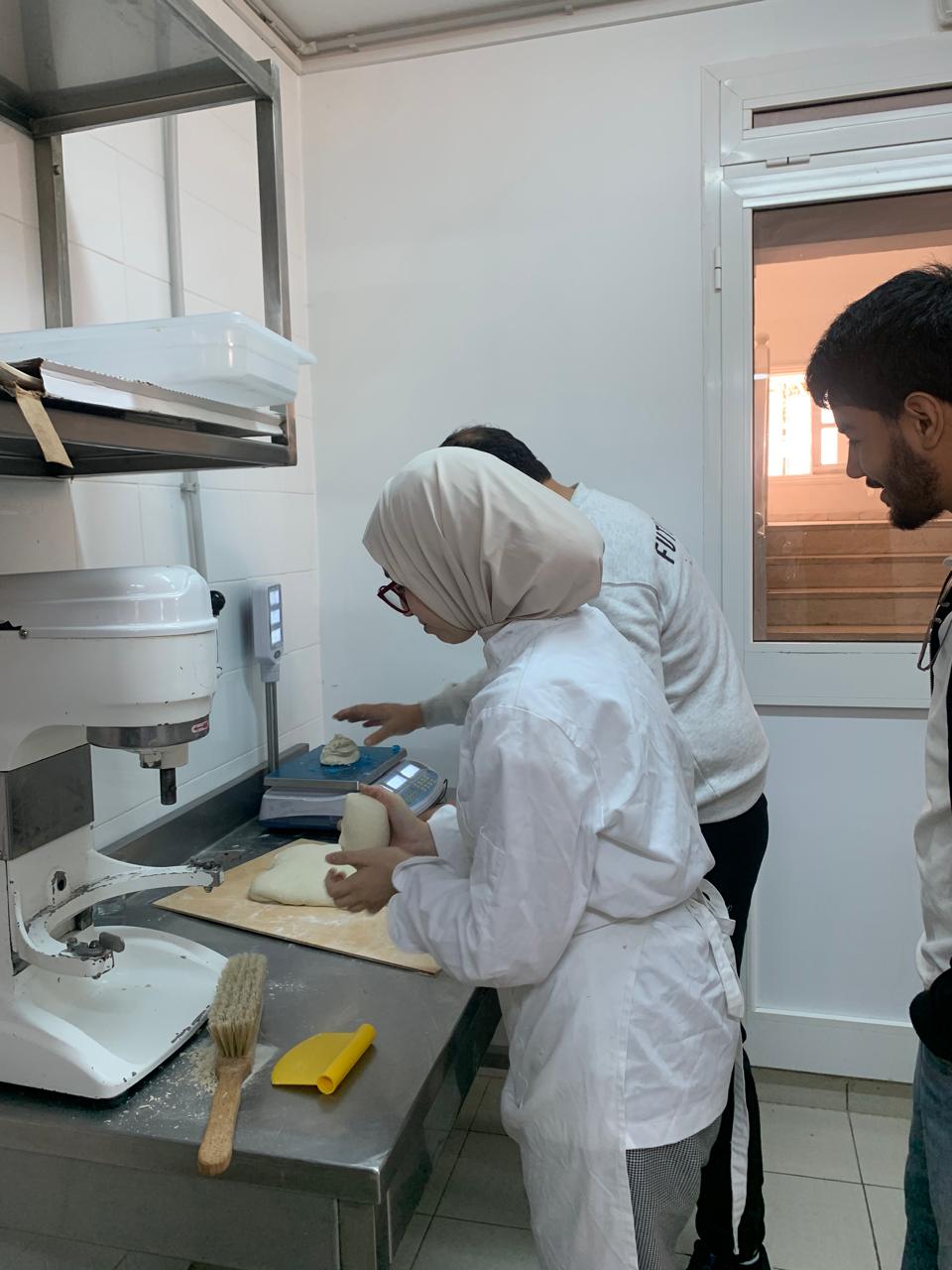
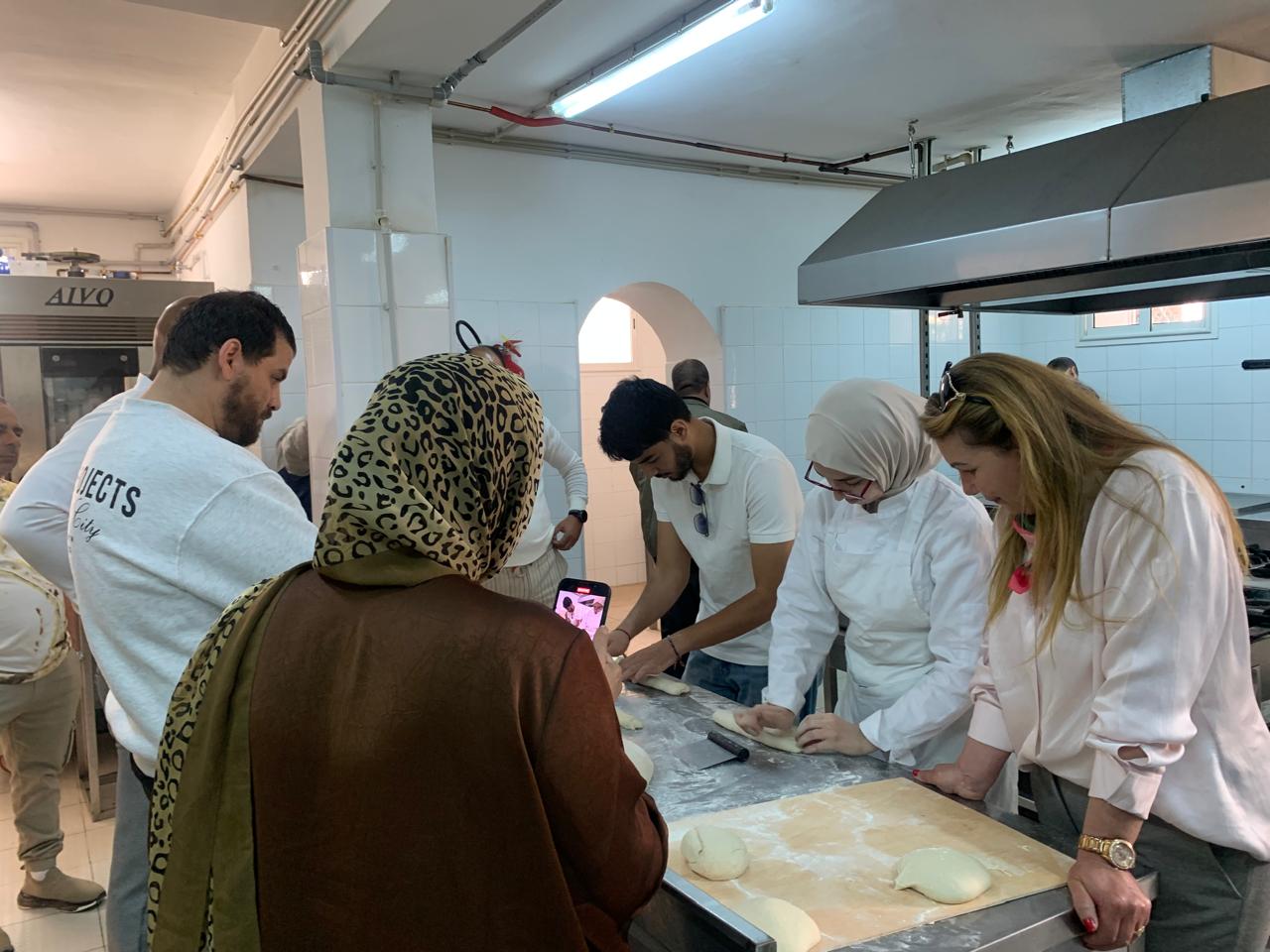
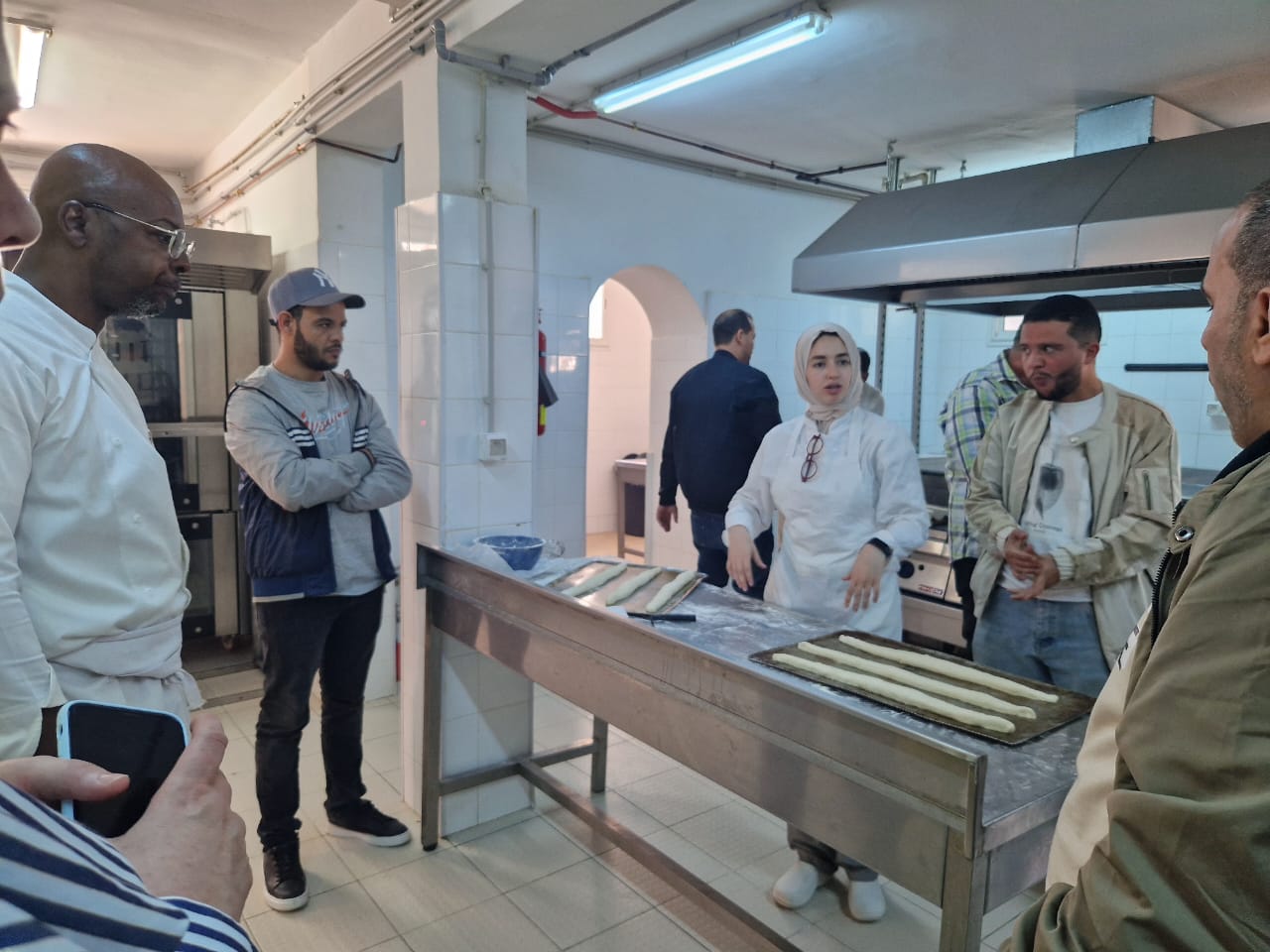
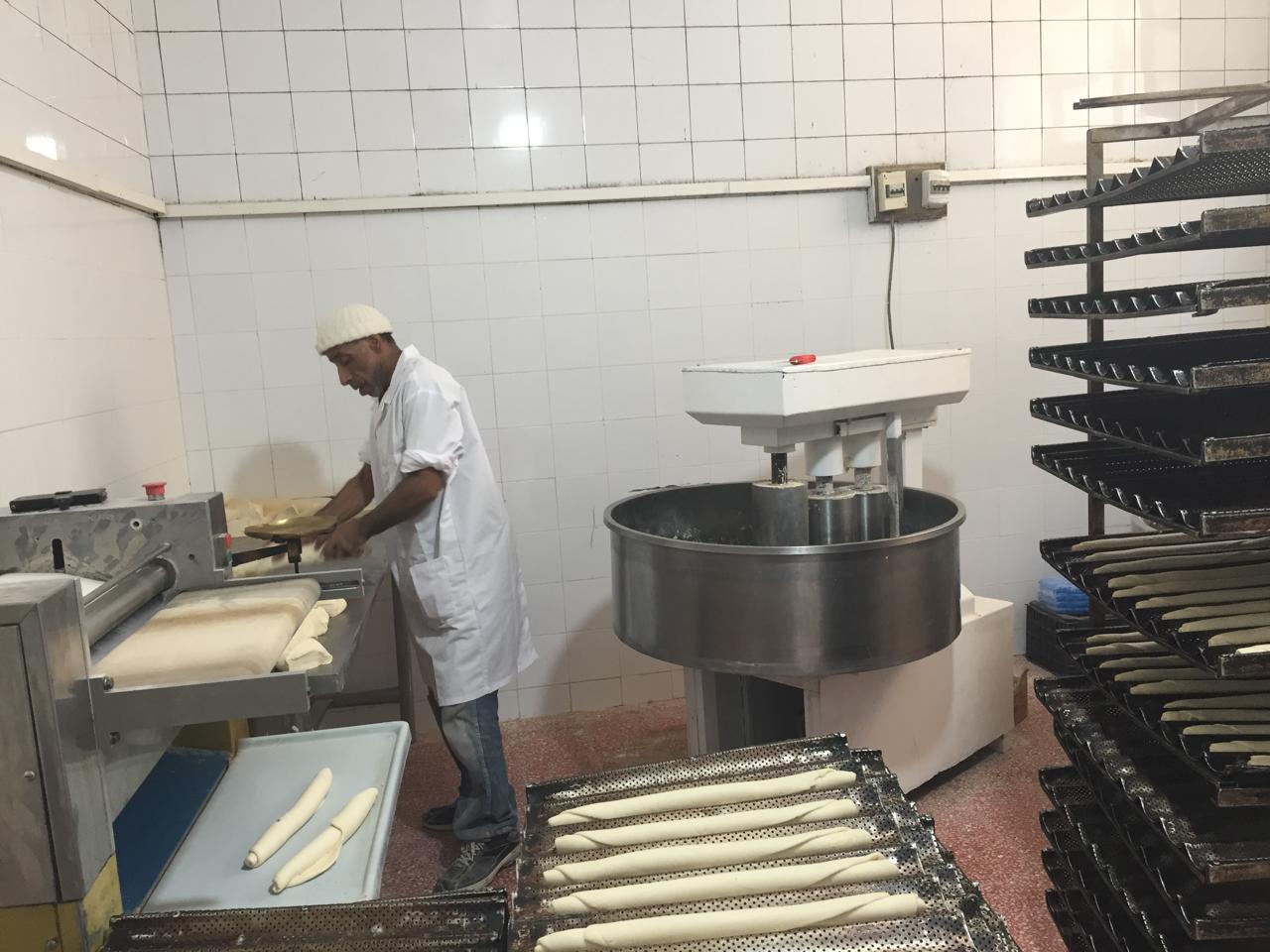
Project description: The project introduces subsidized bread reformulated to improve public health by reducing salt content by 30% and enhancing micronutrient density through increasing flour extraction from 78% to 85%. The initiative targets all residents of Tunis, with bakers and millers serving as essential partners in production and distribution.
Main achievements so far:
- – So far, 50 volunteer bakers, who were trained on bread reformulation, have joined the initiative, all achieving 30% salt reduction in their bread.
- – Most consumers report satisfaction with the new bread.
- – By placing illuminated signs on participating bakeries, we aim to inspire wider adoption of this initiative and position Tunis as a pilot city for healthier bread.