Explore the food environment interventions being piloted
across 15 African cities.
Explore practical food environment interventions being co-designed, tested and refined across our 15 Hub and Sharing Cities to strengthen urban food systems. These real-world social and technical experiments are driven by cities and developed with local partners, from market upgrades and waste valorisation to school feeding initiatives and community gardens.
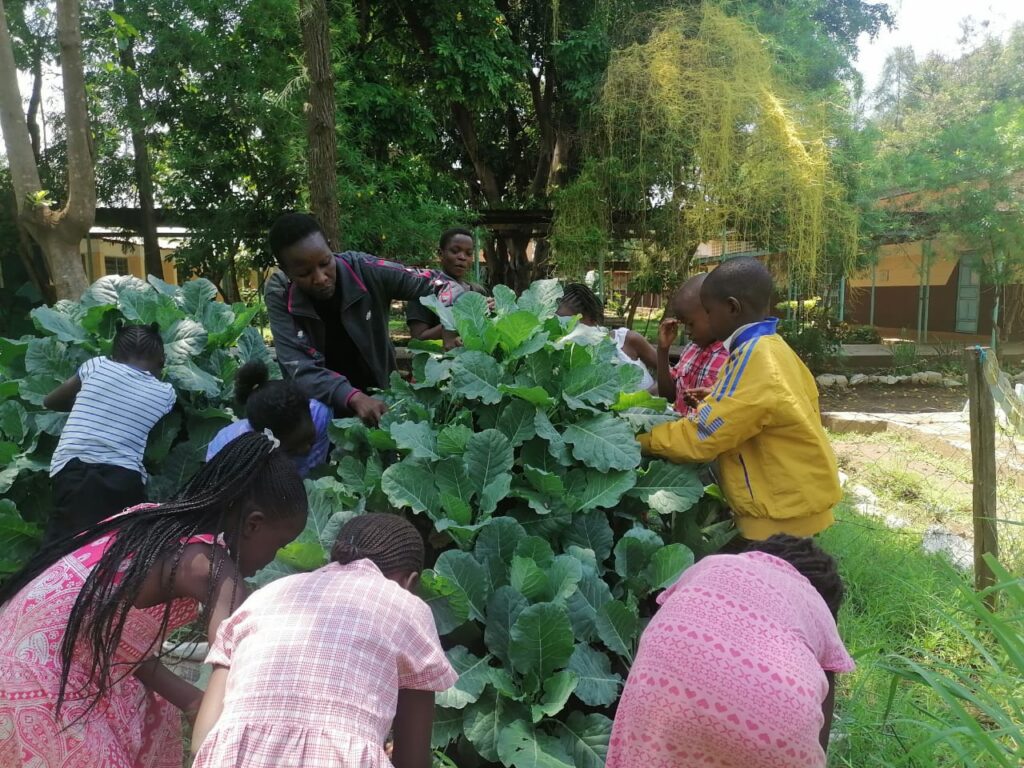
From vibrant schoolyards in Kisumu to bustling community gardens in Tunis, food gardens are changing the way children eat, learn and connect with others. These projects bring fresh nutritious meals, hands-on learning and stronger communities, one garden at a time.
School feeding gardens strengthen nutrition and food education by integrating food gardens into schools and community spaces.
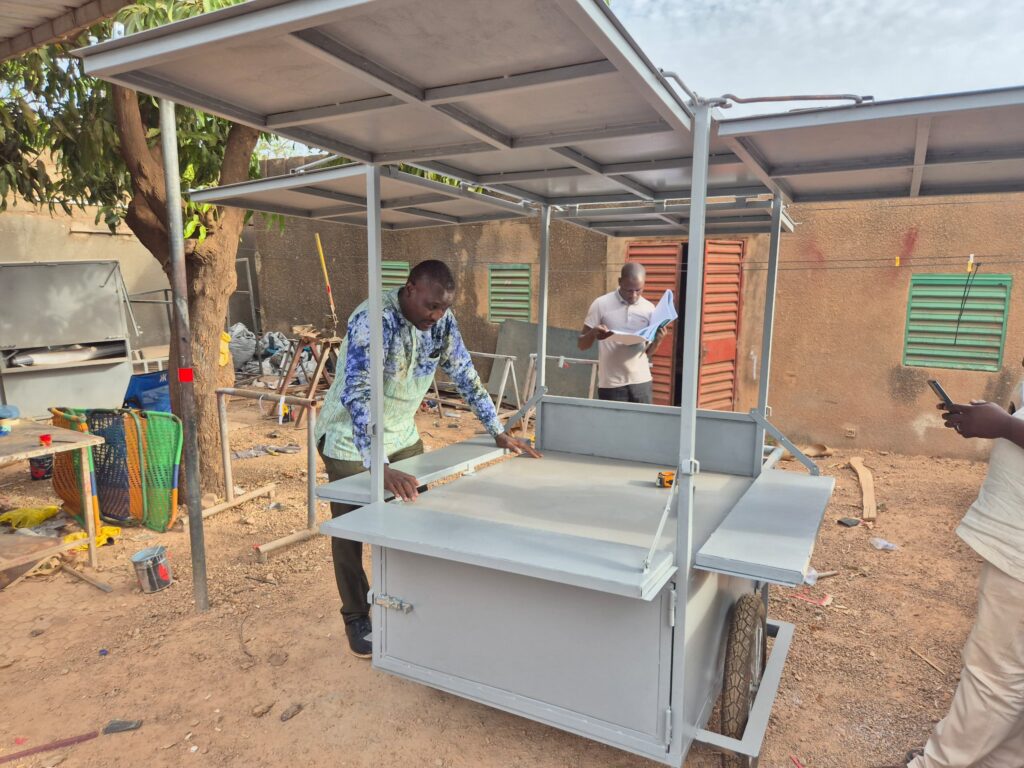
In Ouagadougou’s Rood Wooko market, street food is getting a healthy upgrade. Vendors are learning new hygiene and cooking practices and using adapted mobile counters to serve safer, more nutritious meals.
Street food can be delicious, convenient and healthy. Explore how this project in Ouagadougou, Burkina Faso is transforming the city’s central market, improving food quality, safety and nutritional value of foods sold by street vendors.
18 street food vendors now have adapted mobile counters and have received training in hygiene, safe cooking and nutrition.
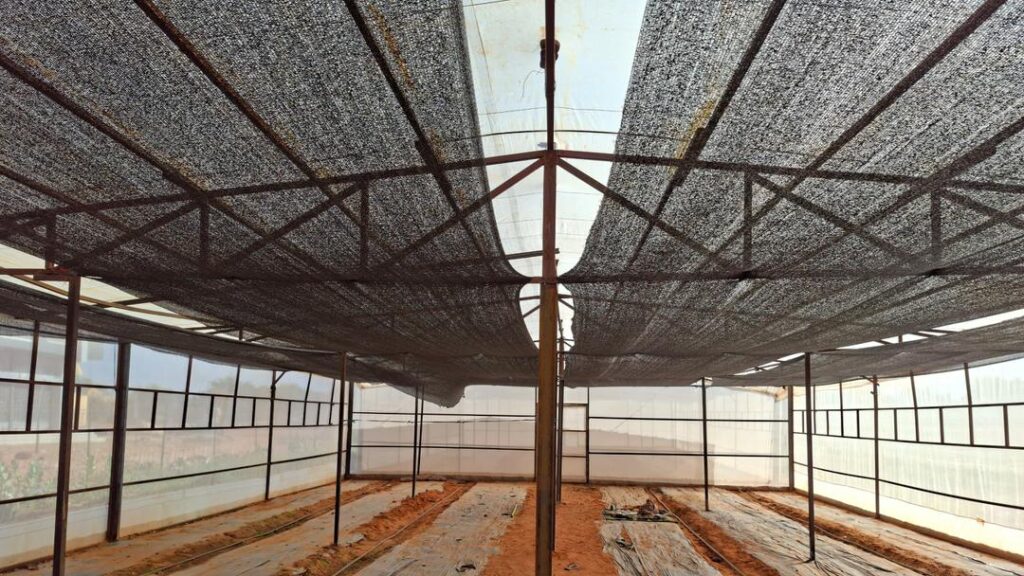
From Cape Town to Kisumu to Ouagadougou, market upgrades and capacity-building are transforming food trading spaces. Safer structures, water access, cold storage, solar lighting and training are helping vendors sell healthier food, reduce waste and grow their businesses.
These interventions show how market upgrades can transform food trading spaces into safer, more resilient and inclusive hubs for local economies.
Local seeds are key to building resilient, sustainable urban food systems.
In Niamey, Niger, a municipal seed nursery is giving urban producers access to high-quality local seeds while training communities in sustainable agroecological practices. This initiative strengthens local food systems and builds lasting skills for a greener city.
Preserving food heritage and promoting local culinary traditions can support healthier diets, sustainable food systems, and vibrant communities.
From Morocco to Senegal, initiatives are protecting local food heritage while promoting healthier diets. Chefchaouen’s Mediterranean Diet Label supports sustainable culinary traditions, and Dakar schools are gaining access to nutritious, locally sourced snacks.
Turning food waste into opportunity can improve food security, support urban agriculture, and reduce environmental impact.
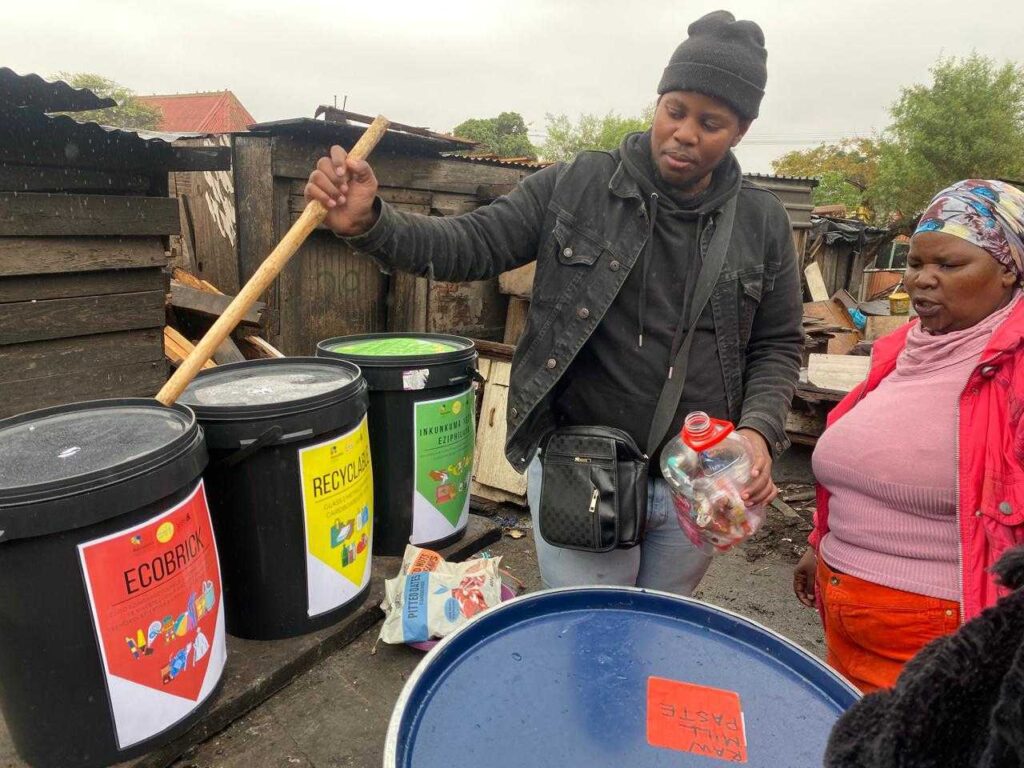
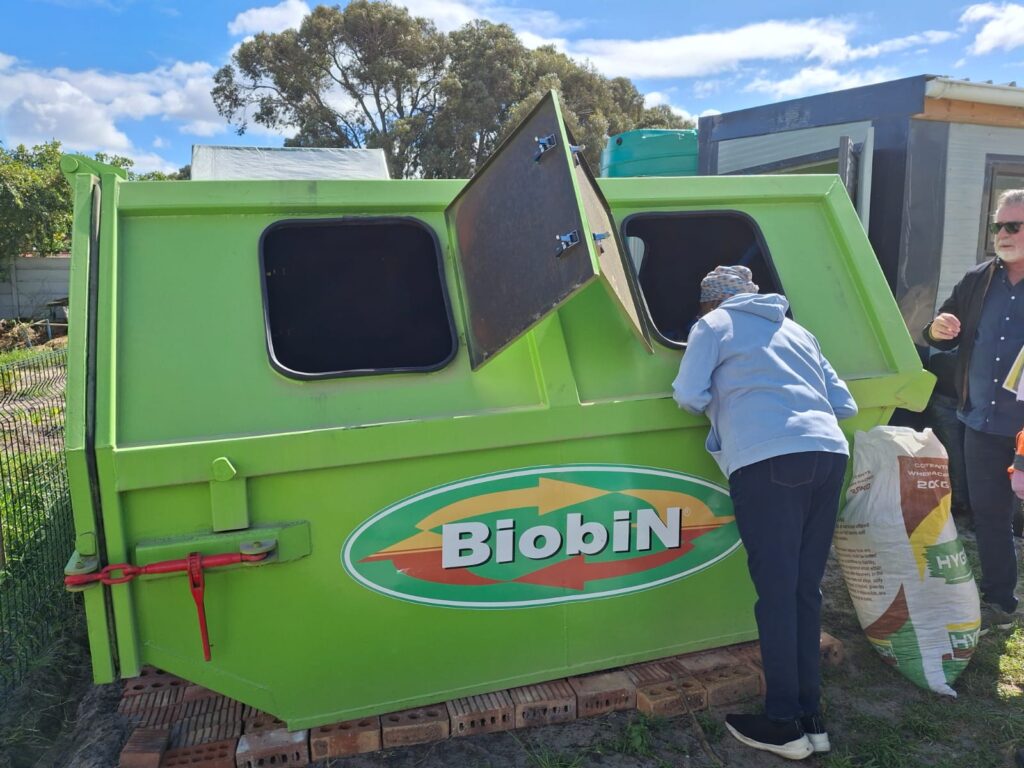
In Cape Town and Kisumu, food waste is being transformed into value. Composting systems and rescued food programs are reducing waste, supporting local gardens, and providing nutritious meals to vulnerable communities.
These initiatives show how food waste can be transformed into valuable resources, supporting communities, reducing environmental impact, and strengthening local food systems.
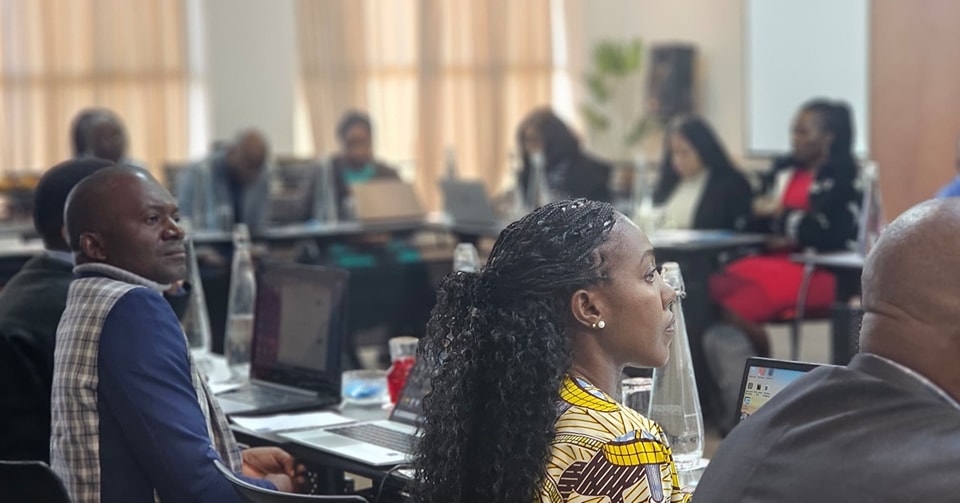
The Lusaka Food Systems Desk in Zambia institutionalises local food systems work, improving coordination, collaboration and integration into city planning. The initiative ensures informed, inclusive and sustainable food system governance by connecting government, non-governmental organisations, researchers and citizens.
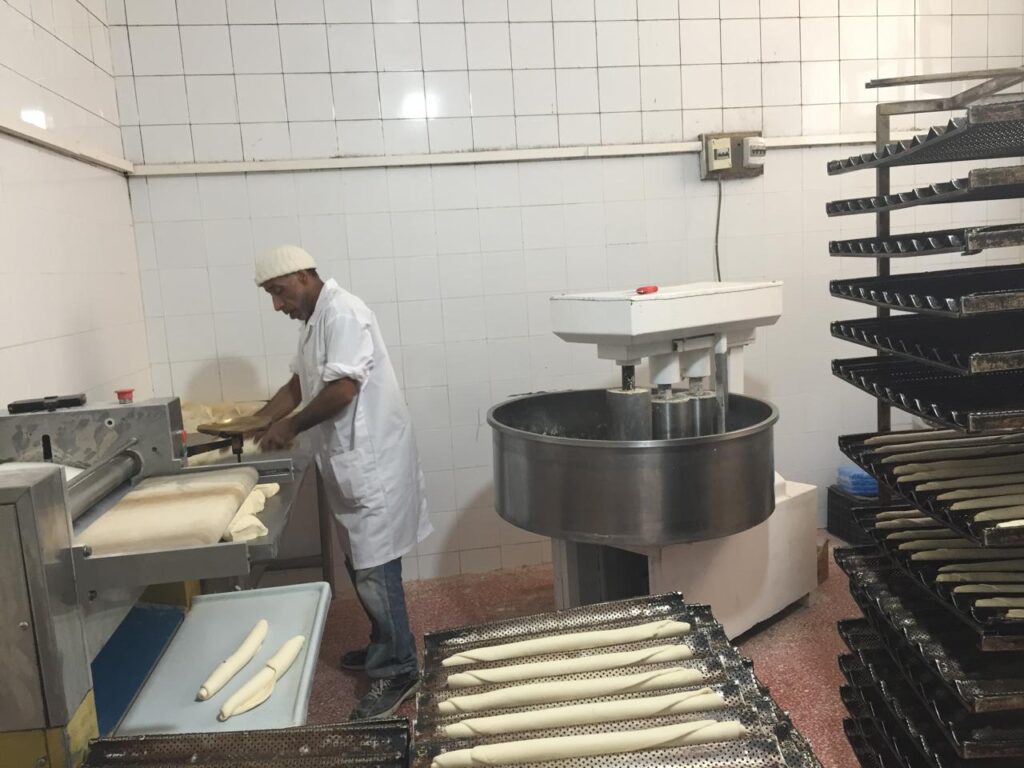
In Tunis, a reformulated subsidised bread is reducing salt content by 30% and boosting nutritional value by increasing flour extraction rates — making an everyday staple food work for public health. Millers and bakers are central partners in bringing this initiative to scale across the city.
Subsidised bread fortification helps improve public health outcomes for all Tunis residents.