Skip to content

Rethinking waste, creating value: Circularity in African urban food systems

During the breakout discussions focused on circularity at the final AfriFOODlinks consortium meeting, one message stood out: circularity is not only about managing waste. It is about recognizing value across the food system and creating the connections that allow resources, knowledge and materials to remain in use.
This blog was written by Paola Castañeda Rodriguez, edited by Matteo Bizzotto (ICLEI World Secretariat).

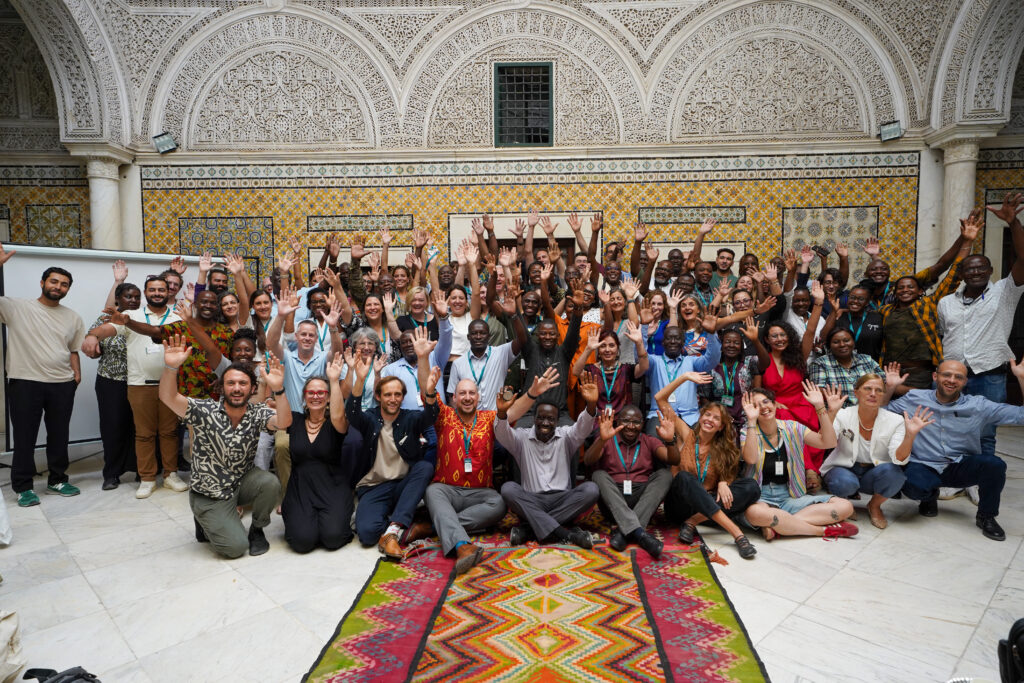
Under AfriFOODlinks, an EU-funded project working to improve urban food security, nutrition and sustainability across cities in Africa and Europe, the final consortium meeting brought together partners and cities to reflect on the project’s progress, share experiences and lessons learned, and look ahead to its final phase. Held in Tunis, Tunisia, from 21–25 September 2026, the meeting explored different dimensions of urban food system transformation, including circularity and the efforts, solutions, businesses and partnerships that have emerged throughout the project.

During the breakout discussions focused on circularity, one message stood out: circularity is not only about managing waste. It is about recognizing value across the food system and creating the connections that allow resources, knowledge and materials to remain in use.
 

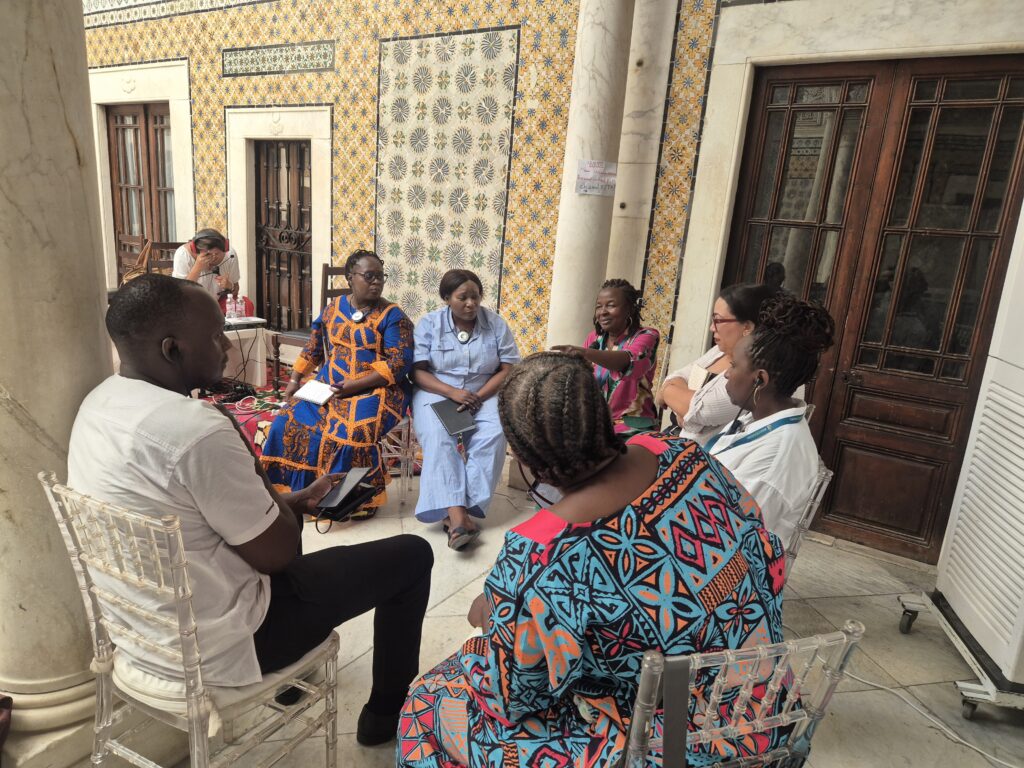
AfriFOODlinks Consortium Meeting in Tunis, Tunisia. Photo: ICLEI Africa

What if the end of one food process could become the beginning of another?

Across the AfriFOODlinks city hubs, including Hivos in Tunis, SHONA in Mbale, Rikolto in Kisumu and Oribi in Cape Town, teams are seeing this idea take shape in very practical ways. Through their work with local businesses and entrepreneurs, they are showing how resources that might otherwise be discarded can find new uses and, in some cases, become the starting point for entirely new products and business opportunities.

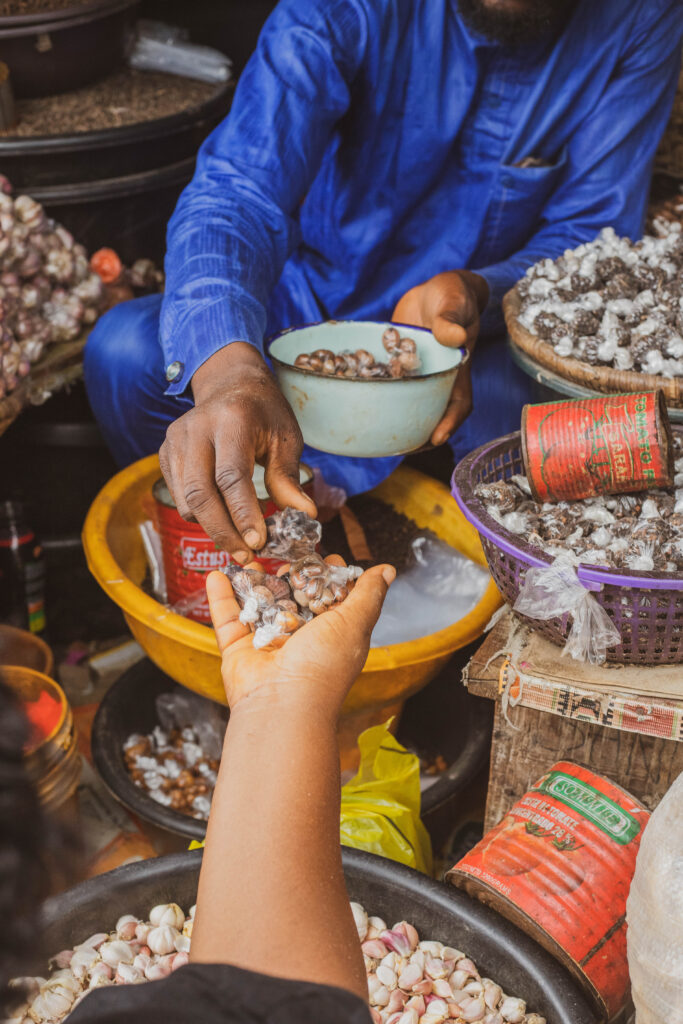
Food and agricultural residues can be transformed into compost and returned to agricultural production; peanut shells and other by-products can become animal feed; poultry residues can contribute to organic fertilizer; and surplus fruits and vegetables can be dried, preserved or transformed into new products.

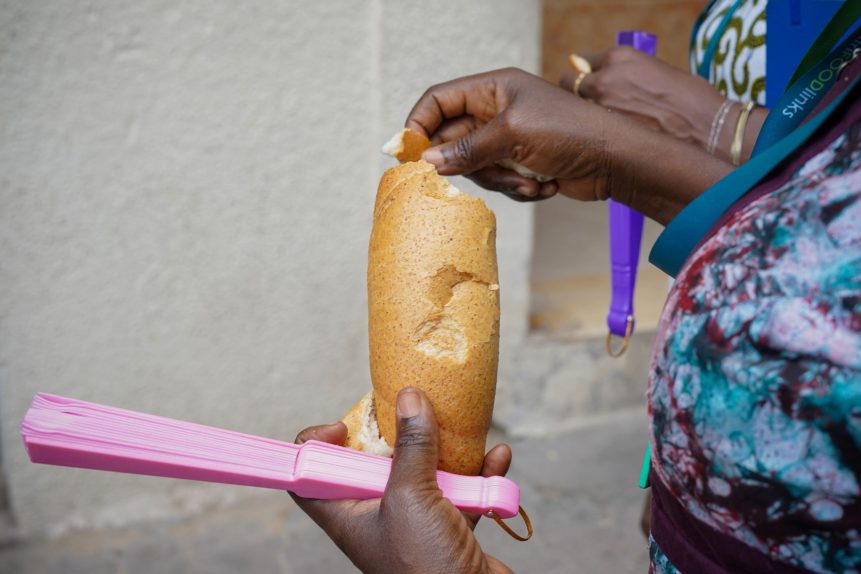
In Tunisia, the conversation also touched on one of the country’s most familiar foods: bread. One intervention focused on bread reformulation, reducing salt during production as a way to support healthier diets and improve public health outcomes. Separately, experiences from the AfriFOODlinks incubation programme in Tunis, highlighted how local businesses and entrepreneurs are developing new food products and business ideas, including approaches that make better use of available resources and reduce waste.

DSC04710
Visit to a Tunis local bakery that maintains traditional bread production. Photo: ICLEI Africa

These experiences show that circularity often starts by asking a different question. Rather than “How do we dispose of this?” the question becomes “Where else could this resource create value?”

But finding that value is only the first step. Someone still needs to collect, transport and process the resource, and someone ultimately needs to use or buy the resulting product. This is where circularity becomes a business question.

Who pays for circularity?

Through their work with entrepreneurs and small and medium-sized enterprises, AfriFOODlinks partners are seeing businesses create value from resources that might otherwise be overlooked, from transforming fish by-products and surplus fruits and vegetables into new food products to connecting agricultural residues with livestock production. Many of these businesses are already practicing circularity without necessarily calling it that, responding instead to practical needs such as reducing costs, making better use of available resources, developing new products and creating additional sources of income.

Yet keeping materials in circulation also comes with costs. Collection and transportation require time and money. Processing may require equipment or additional space. Small businesses can face certification requirements, while informality may make it more difficult to access finance, grants or larger markets.

The opportunity is therefore not simply to encourage businesses to become “more circular”, but to create the conditions that allow circular practices to become viable business models. For instance, the support of SHONA and Rikolto to entrepreneurs and local food-system actors demonstrates why business development and circularity need to advance together.

Innovation does not always mean new technology

Innovation also emerged as the ability to rediscover existing knowledge and adapt it to today’s needs. In Ouagadougou, traditional foods and practices are being adapted and brought to new consumers and markets. In Tunis, Hivos highlighted how culinary heritage and practices rooted in local food culture can offer inspiration for more sustainable and circular approaches.

Traditional recipes, preservation techniques and ways of making full use of ingredients are not only part of cultural heritage. They can provide solutions for reducing waste, diversifying products and creating opportunities for local entrepreneurs. Circularity can therefore become a bridge between old and new: combining existing knowledge and local resources with new business models, markets and partnerships.

Partners exchanging experiences on circular food systems during the AfriFOODlinks Consortium Meeting in Tunis. Photo: ICLEI Africa

Connecting the loops

No circular solution operates in isolation. A restaurant separating food waste needs someone who can collect it. A compost producer needs access to clean organic material and farmers willing to use the resulting product. An entrepreneur developing a new food product may need certification, equipment, financing and a reliable market before the idea can grow. Circular food systems are therefore as much about connecting actors as they are about connecting resources.

The experiences brought together by AfriFOODlinks partners in Tunis showed that circularity is ultimately about creating connections: between food waste and new resources, entrepreneurs and markets, traditional knowledge and new opportunities, and businesses and the institutions that support them. Organizations working directly with entrepreneurs and communities can help develop and test solutions, while cities can create the enabling conditions for these approaches to grow through infrastructure, partnerships, supportive policies and spaces for collaboration. 

As AfriFOODlinks approaches its conclusion in November 2026, strengthening this ecosystem will be essential to ensure that the circular practices already emerging across African cities can continue beyond the project, scale over time and contribute to the wider transformation of urban food systems across the continent.

Explore
"entrepreneurship"

Read more about
"entrepreneurship"

READ MORE