Lessons learnt from AfriFOODlinks’ real-world interventions
Author: Esther Diaz Perez, CIRAD.
Contributor: Antonina Mutoro, APHRC.
In AfriFOODlinks, the five hub cities of Cape Town, South Africa; Kisumu, Kenya; Mbale, Uganda; Ouagadougou, Burkina Faso; and Tunis, Tunisia have been testing real-world food environment experiments through participatory research, co-design and governance innovation. These experiences offer a powerful set of lessons learnt for those working in urban development, food systems and environments, or community-led transformation.
This article draws on the main lessons captured in 2025 by the hub city teams implementing these interventions, including South African Urban Food and Farming Trust (SAUFFT) for Cape Town, African Population and Health Research Center (APHRC) for Kisumu, Rikolto for Mbale and Ouagadougou, and HIVOS and National Institute of Nutrition and Food Technology (INNTA) for Tunis. Across all five cities, the silver thread that emerged was that urban food systems transformation depends not only on good ideas, but on how those ideas are developed, implemented, and sustained in local contexts.
1. Stakeholders’ participation
A first key lesson is the critical value of stakeholders’ participation during the design and implementation phases. When interventions were co-designed through a participatory research approach, with traders, students, teachers, residents, local associations, and city officials, they generated trust, richer insights and responded to city needs taking into account local contexts and realities. Co-design required time, but was indispensable: when communities and stakeholders helped identify the problems relevant to them, and shaped grounded solutions, their agency was reinforced, implementation was smoother and solutions developed were far more likely to be owned and sustained over time.
2. Governance matters
A second lesson is that governance matters just as much as technical design. Municipal processes were often rigid, slow, or affected by staff turnover and shifting political priorities. Teams learned to plan adaptively, communicate consistently, and build flexible partnerships that could adjust to evolving conditions. Furthermore, when stakeholders were organised in structured groups, governance was enabled – ensuring their concerns were integrated and decisions were made with more coherence and equity.
3. Flexibility is key
Flexibility also emerged as an important factor in design, governance, coordination, and day-to-day practice—proved crucial. Interventions rarely unfolded as planned; local realities, political instability, competing agendas, and operational delays required teams to adapt continuously. In this regard, time regularly emerged as one of the most underestimated factors. Teams found that meaningful engagement, consensus-building, and iterative implementation require far more than typical project cycles allow. Real-time monitoring tools and rapid troubleshooting become essential for staying responsive and avoiding larger setbacks. Effective monitoring goes beyond logistics: it requires listening, mediation, motivation, and facilitation, recognizing that human relationships and communication often determine the success of an initiative.
4. Work as a team, with trust and a shared vision
Trust emerged across all five cities as the critical underlying factor. It is rarely visible but always essential. It could not be mandated and grew only through transparency, follow-through, and genuine respect for each actor’s role in the food system. Once established, trust acted as a catalyst unlocking collaboration, reducing conflict, and enabling shared decision-making. Closely linked to trust was the need for a shared vision, as a guiding framework. Whether expressed in formal charters or informal commitments, a common purpose helped align diverse stakeholders and maintain momentum despite challenges. When stakeholders unite around common goals, they develop a stronger sense of purpose and a clearer understanding of how to collaborate effectively. A shared vision acts as a compass for diverse actors navigating complex food systems.
5. Embrace working with the informal sector, not around it
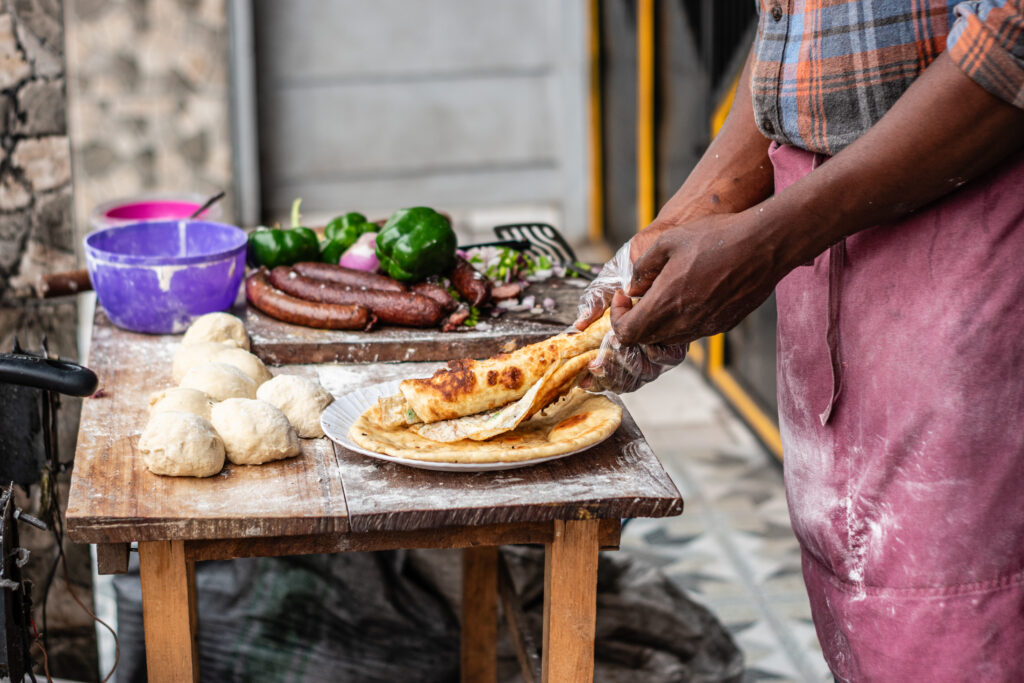
Many interventions worked with informal food vendors, who play a crucial role in African markets and the food economy. Reframing informal markets as people-centric systems highlights their social value and their potential as hubs of community interaction and resilience. Understanding existing informal food arrangements and identifying regulatory gaps that could be widened to accommodate informality, supports the gradual transformation of exclusionary systems towards more inclusive market management models that recognise unlicensed traders as legitimate food actors.
6. Make your interventions practical
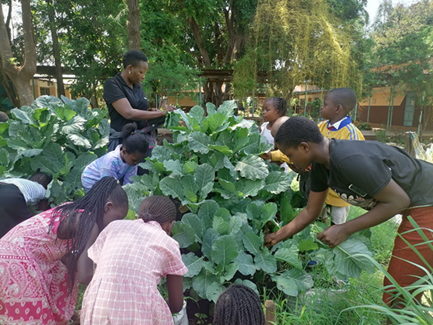
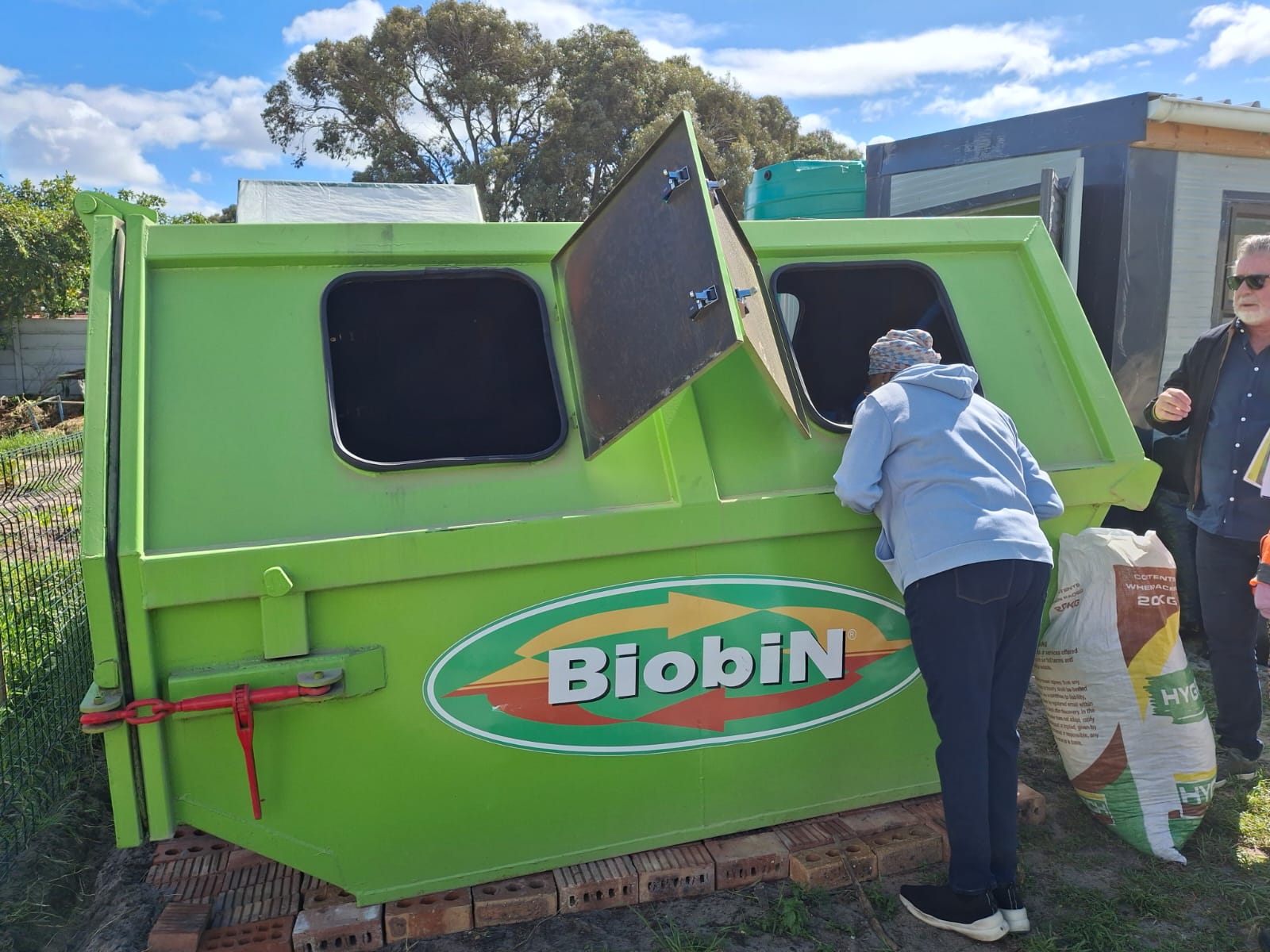
Another pervasive insight is the importance of tangible, visible interventions. Cities engaged far more enthusiastically with concrete pilots and physical improvements than with research alone. Whether a marketplace upgrade, a school-based programme, an urban garden set up, or a bread reformulation intervention, visible change attracted broader support and, in some cases, catalysed further investment beyond the initial project, like in Mbale, where the municipality added extra funding to improve the abattoir facilities.
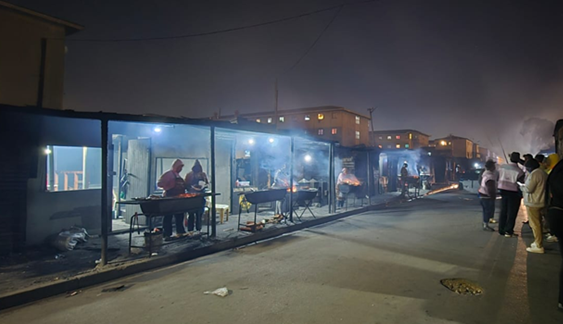
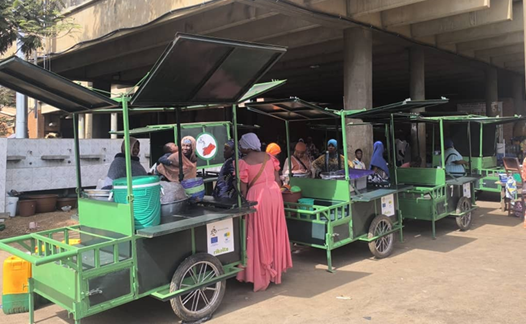
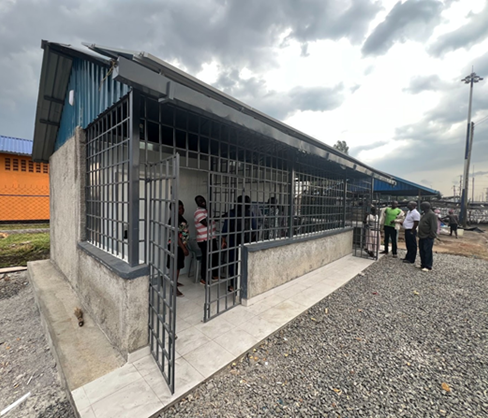
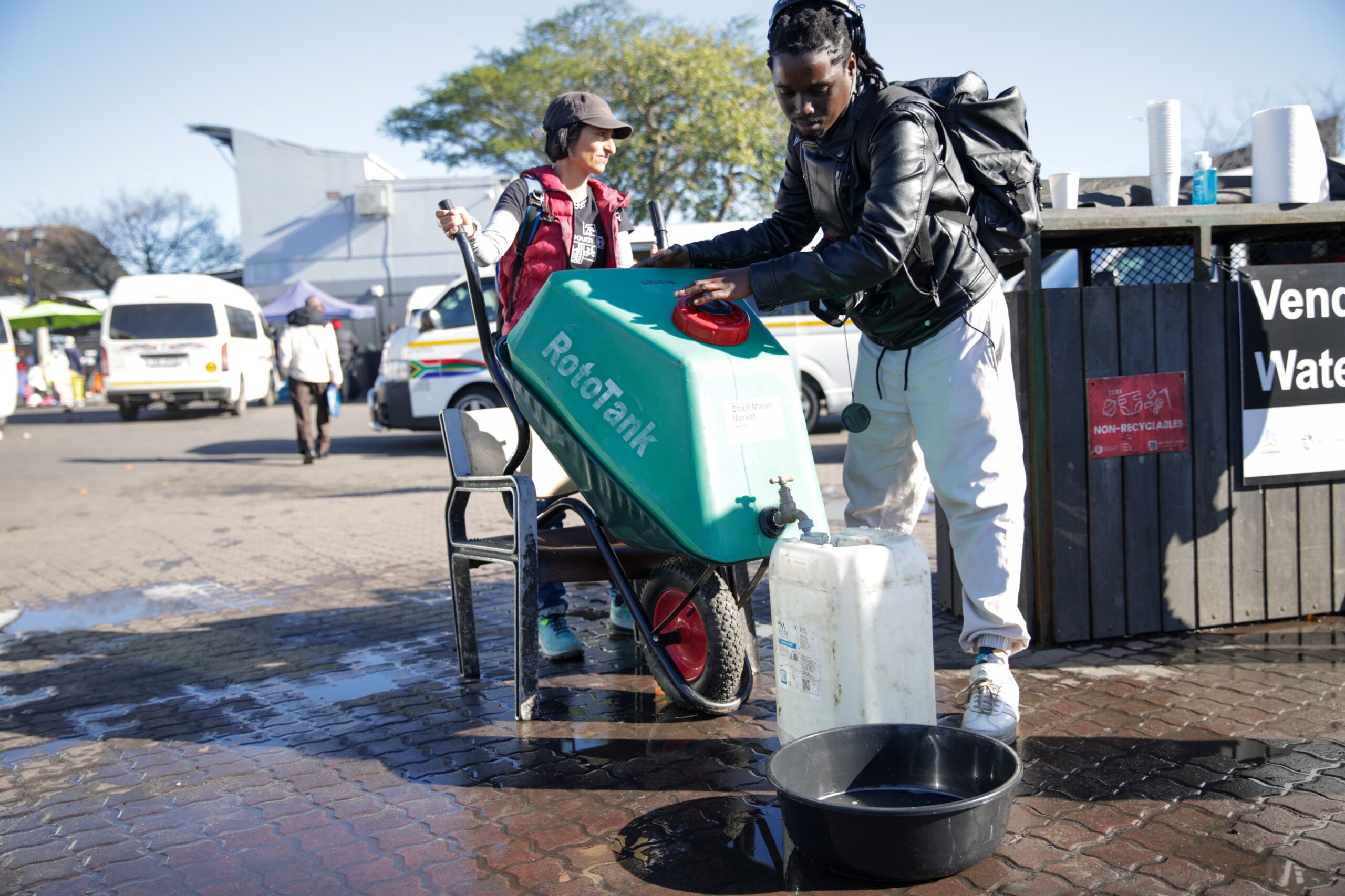
Furthermore, physical food environment transformations enable and foster behavioural change towards the adoption of safer, healthier and more sustainable practices. Some examples illustrating this are the cold room in Kisumu improving fish storage and conservation, the mobile counters for food traders in Cape Town and street restaurants in Ouagadougou, the upgraded food stalls in Mbale and Ouagadougou markets and the improved access to water and solar energy for food vendors in Cape Town providing safe and hygienic working spaces.
Across all five cities, one message resonates: Urban food system transformation thrives when it is participatory, flexible, grounded in trust, and oriented toward tangible change.
When stakeholders co-create solutions, when governance structures adapt and support, when real-world investments anchor learning, and when communities own solutions —transformative change becomes not only possible, but sustainable.