Pilot Projects
A snapshot of pilot projects
Explore the food environment interventions being piloted across 15 African cities.
Welcome to the AfriFOODlinks Hub Cities pilot projects page.
Explore practical food system interventions being co-designed, tested and refined across our 15 Sharing Cities to strengthen urban food systems. These real-world social and technical experiments are driven by cities and developed with local partners, from market upgrades and community kitchens to school feeding initiatives and community gardens.
Learn more below:
Hub city pilot projects
Enhancement of an existing community garden in Tunis
Community garden
Tunis, Tunisia
Project description: Driven by OSAE and HIVOS, the project empowers local residents through community mobilization, strengthens social cohesion, and promotes food sovereignty by transforming urban spaces into sustainable, shared gardens that foster active citizen engagement.
Main achievements so far: The project has successfully mobilized residents, local associations, and youth around the revitalization of the Jnina garden, in the Medina. A first collective planting day transformed the space into a vibrant community hub. We’re most proud of the strong local engagement and the creation of a shared, resilient green space.
Sharing city pilot projects
Rehabilitation and strengthening of local market infrastructure in Ouagadougou
Market upgrades (includes abbatoirs)
Ouagadougou, Burkina Faso
Project description:This pilot project focuses on co-constructing improved stall models to enhance food safety and reduce food losses in the Naabi Yaar market in Ouagadougou. It includes strengthening the capacities of women vendors on good practices for preservation, hygiene and storage of fresh produce, helping to reduce product losses, increase the availability of healthy foods and improve vendors’ incomes. The project also introduces visibility tools such as murals on hygiene and the quality of fruits and vegetables to raise consumer awareness of quality criteria for fresh produce.
Main achievements so far:
- -Transforming the market’s food environment through the installation of 74 stalls, and securing the commitment of women vendors and the municipality so that it becomes a model that can be replicated in other markets;
- -Actively mobilising all stakeholders involved in implementing the pilot experiment;
- -Encouraging behaviour change among the participating women vendors, who are becoming aware of the health risks linked to poor sanitation in their environment.
Chefchaouen Mediterranean Diet Label
Heritage and food culture
Chefchaouen, Morocco
Project description: The Chefchaouen Mediterranean Diet Label certifies restaurants and producers that align with the principles of the Mediterranean Diet. It promotes sustainable food practices, supports local businesses, and preserves Chefchaouen’s UNESCO-recognised food heritage, helping the city balance tourism and development while protecting its unique culinary and cultural identity.
Main achievements so far:
The project is in the process of registering the label, setting up a labelling committee, drafting the label criteria, and establishing linkages with existing food initiatives such as the Mediterranean Diet museum. A city-wide awareness campaign, and dedicated restaurant trainings on the Mediterranean Diet principles will begin in the next few months.
Strengthening the capacities and food infrastructures of schools to ensure healthy and sustainable school canteens for students.
School feeding, gardens
Ouagadougou, Burkina Faso
Project description: This pilot project aims to improve the management of school canteens and strengthen the wider school food environment to protect the health of students in Ouagadougou. It focuses on upgrading canteen infrastructure and improving the meals served, supporting better management of the school food environments, and building the capacities of food vendors operating in and around schools. Together, these actions contribute to healthier, safer and more sustainable school canteens for learners.
Main achievements so far:
-Active mobilisation and behaviour change resulting from capacity-building and awareness-raising among students, teachers, vendors and parents;
-Construction of two kitchens and a dining area for the NONGMIKMA A and B schools;
-A school garden developed with contributions from teachers, parents and the community;
-Murals that support ongoing awareness and behaviour change.
Market upgrade in Kisumu
Market upgrade (includes abbatoirs)
Kisumu, Kenya
Project description:The cold room project in Kisumu Obunga Market aims to improve food safety and reduce food loss and waste. It primarily benefits food vendors; mainly women, who handle perishable products such as fish. The key stakeholders include the Obunga fish vendors, the Obunga community, and city officials from the departments of Fisheries, Public Health, Environment, Urban Planning, and Trade.
Main achievements so far: The most significant achievement of the cold room project is its ability to improve food safety, reduce fish loss and waste, and enhance the incomes of food vendors. Vendors no longer have to pay for transport and storage fees in external cooling facilities, as they can now safely store their fish within Obunga.
Additionally, through the cold room, vendors have diversified their income by producing and selling ice cubes, creating an extra revenue stream that supports the sustainability of the facility.
In terms of food safety, the cold room has been transformative in that when stock arrives late in the evening, vendors are no longer burdened or stressed. They can safely store their fish overnight and prepare it the following day. Previously, much of this stock would spoil overnight and be sold at a lower price as animal feed.
Smiley Market Infrastructure Upgrades
Market upgrade (includes abbatoirs)
Cape Town, South Africa
Project description: This project aims to improve site infrastructure of the Smiley meat market by providing horizontal surfacing and landscaping, improved trading stalls, and other appropriate infrastructure (lighting, waste depot, storage , etc.).
Main achievements so far: Concept & detailed designs developed, 80 tonnes of dumping, and wood/ash stockpiles successfully cleared; 2 rounds of trader oven prototypes have been completed with ovens in use; interim provision of storage facilities, gazebos, and working stations; solar lighting provided; waste and wood management system put in place.
Improving healthy street food in Ouagadougou, with a focus on the main Rood Wooko market.
Street food
Ouagadougou, Burkina Faso
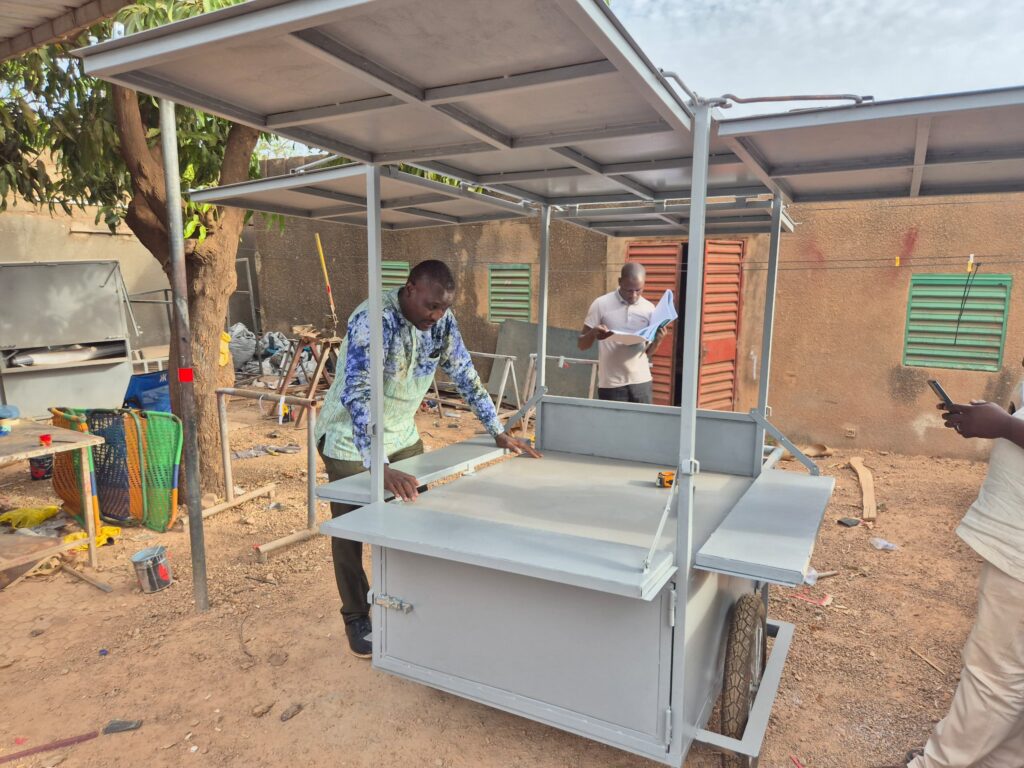
Project description: This pilot project aims to improve the quality and safety of street food in Ouagadougou’s central market. It introduces adapted mobile food counters for 18 street food restaurants and strengthens the skills of vendors through training on good hygiene practices, safe cooking methods and nutrition education. These actions will help create a healthier street food environment and enhance consumer confidence in the foods sold at the Rood Wooko market.
Main achievements so far: Behaviour change among beneficiaries regarding good hygiene practices, resulting in a cleaner and healthier food vending environment. Eighteen mobile counters have been provided, offering more suitable equipment for mobile street food vendors.
Trader Solar Lighting
Market upgrade (includes abbatoirs)
Cape Town, South Africa
Project description: Provision of portable solar lights, with rechargeable power banks to 26 meat traders in Langa, Albert Luthuli street.
Main achievements so far: Access to energy and lighting for better/more visible night time trading. Offering more safety and security, and less risk from candle fires
Local and quality food for Dakar schools
Local food
Dakar, Senegal
Project description:This pilot at Dakar’s Lycée Kennedy, a public girls’ high school of 2,600 students from low-income backgrounds, tests a sustainable model to ensure regular access to healthy, affordable snacks. It links local producers, school gardens and nutrition education, aiming for a financially viable, socially inclusive and replicable school food system.
Main achievements so far: The pilot has begun shifting the school food environment by introducing structured access to healthier, locally sourced snacks and reducing reliance on informal, low-quality options. Early monitoring has provided operational evidence on service organisation and student uptake. We are most proud of laying the foundations for a more coherent, nutrition-driven school food system.
Building Business Programme
Market upgrade (includes abbatoirs)
Cape Town, South Africa
Project description: This program seeks to provide these traders with the necessary skills and resources to transition from livelihood support to sustainable business growth, driving community economic development and business resilience.
Main achievements so far: Taking stock of business assets, expenses, etc. Establishing financial records (expense & sales tracking); Better financial literacy in business planning, budgeting and reinvesting profit into business growth; Building collective bargaining for bulk buying
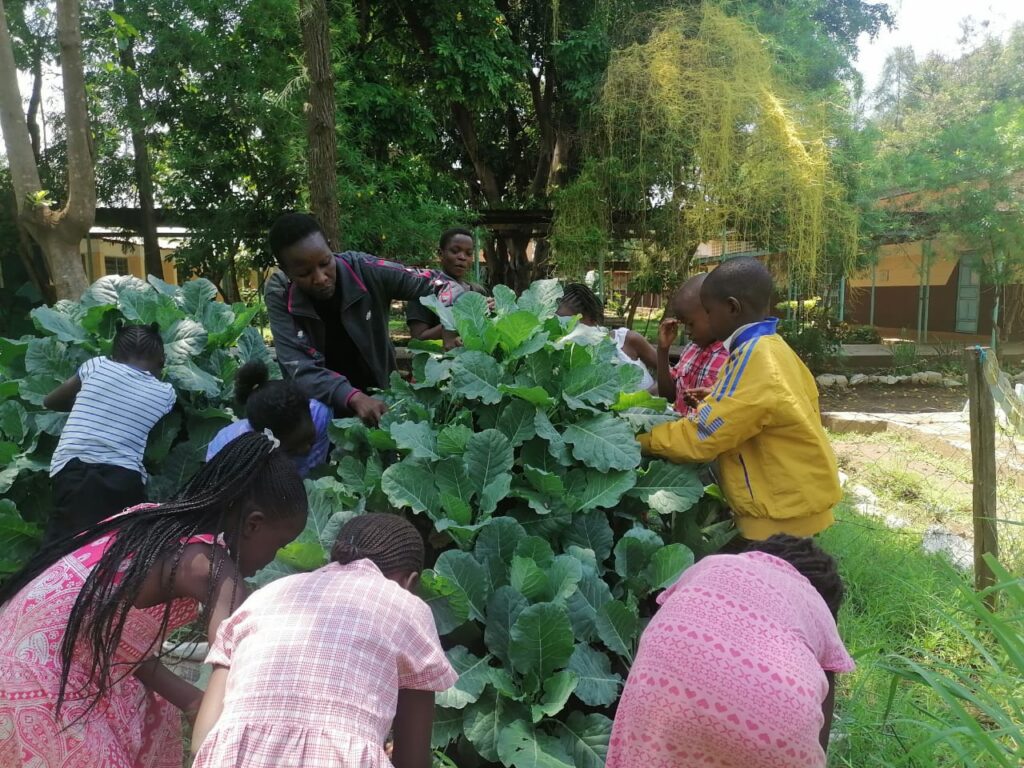
Edible Landscaping and Urban Farming to Improve Dietary Diversity Among ECD Children Aged 3–6 Years
School feeding, gardens
Kisumu, Kenya
Project description: The main purpose of this pilot project is to improve the diets and dietary diversity of Early Childhood Development (ECD) children aged 3–6 years. The primary beneficiaries are the children, the schools they attend, and the 4K Clubs within these schools. The project is being implemented in Nyalenda, Kisumu County, in collaboration with key stakeholders including school management committees, teachers, parents, and Kisumu City officials from the departments of Education, Agriculture, and Health.
Main achievements so far: The most significant achievement has been the improvement in children’s diets through the increased consumption of dark green leafy vegetables and poultry. I am most proud of seeing the joy on the children’s faces as they enjoy their meals, the growing interest of other partners in engaging within the school space, and the way the intervention has complemented the existing school feeding program.
Langa Compliance Programme (Ithubalethu)
Market upgrade (includes abbatoirs)
Cape Town, South Africa
Project description: Supporting Langa meat traders to improve on their food safety and hygiene through sustainable solutions, while understanding the barriers of achieving full compliance.
Main achievements so far: Compliance kits (storage, fire, personal PPE) provided to traders in Albert Luthuli; Basic compliance training provided to all traders; Business License registration for over 60 Traders in Langa
Circular Waste Diversion System
Market upgrade (includes abbatoirs)
Cape Town, South Africa
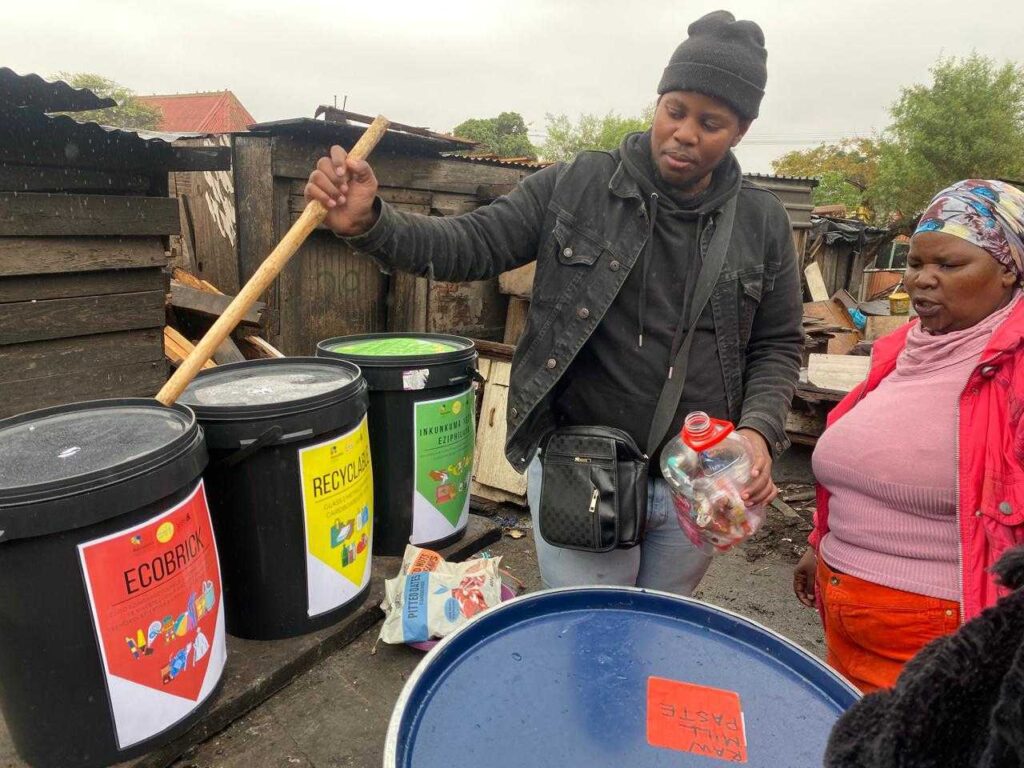
Project description: A waste diversion system to address the waste challenges faced by informal food traders in Langa (with the potential of addressing broader community waste challenges)
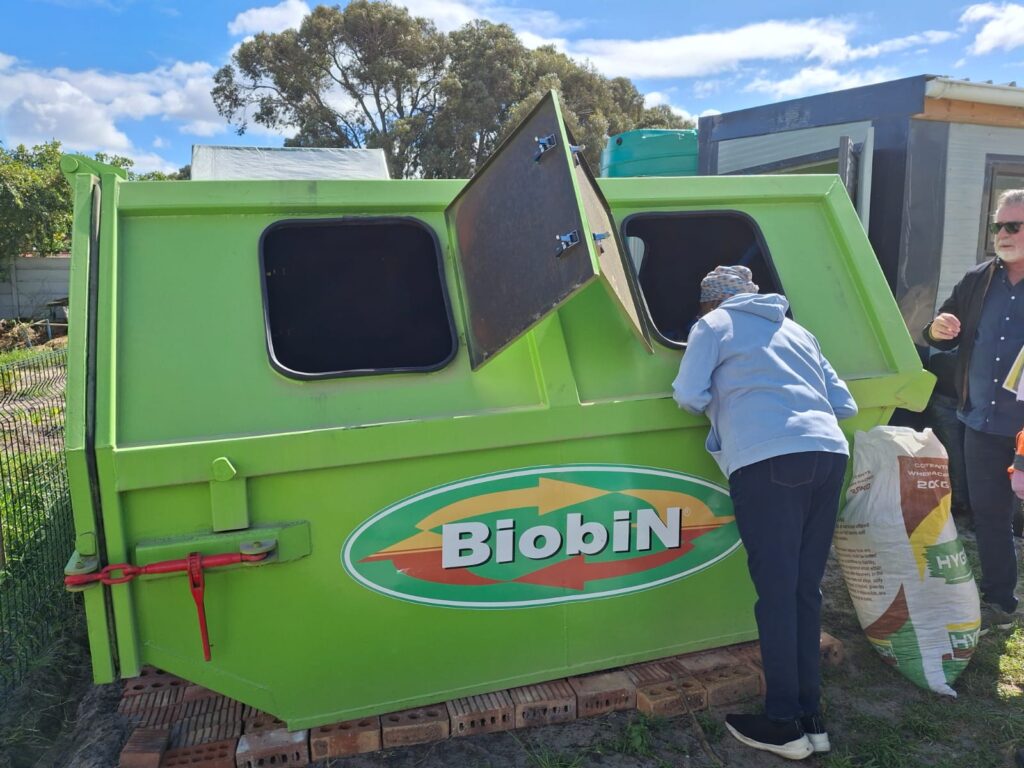
Main achievements so far: Implementation of Biobin (invessel machine) that processes organic waste to compost at the local Agrihub for local growers to utilise for their gardens; Collection of ash and organic waste from Smiley Market and local households; Establishment of Langa Waste Forum
Local seeds for a sustainable green city: the municipal nursery of Niamey
Seed production and capacity building
Niamey, Niger
Project description:The pilot establishes a municipal seed nursery in Kourtéré Samboro, Niamey, to improve access to high-quality local seeds and strengthen urban agriculture. It targets urban producers, vulnerable groups, and consumers. Key partners include the City Hall, producer associations, and Rete Semi Rurali.
Main achievements so far: The pilot has established a dedicated area for seed production that also serves as a training centre. Urban producers have been trained in agroecological seed production and are now transferring these skills within their cooperatives. A nursery management committee has also been created to plan the long-term sustainability of the initiative.
Lusaka Food Systems Desk
Food System Governance
Lusaka, Zambia
Project description: Located in Lusaka, its main purpose is to institutionalize food systems work at local level to enhance project coordination, stakeholder collaboration, reduce duplication and mainstream food systems into city planning. Primary stakeholders are the general citizenry, government, donors, local NGOs, researchers, and entrepreneurs from data-driven work informed by the office.
Main achievements so far: Implementation of Biobin (invessel machine) that processes organic waste to compost at the local Agrihub for local growers to utilise for their gardens; Collection of ash and organic waste from Smiley Market and local households; Establishment of Langa Waste Forum
Food rescue and redistribution system
Food waste and valorisation
Kisumu, Kenya
Project description: The main purpose of this pilot project is to improve the food security of vulnerable populations while reducing food loss and waste. The primary beneficiaries are vulnerable children living in two children’s homes in Kisumu. Food is rescued from Uhuru and Jubilee markets, with expansion currently underway to Kibuye Market. The project is implemented in partnership with Food Banking Kenya and involves key stakeholders including market vendors and Kisumu City officials from the departments of Trade, Urban Planning, and Public Health.
Main achievements so far: The most significant achievement has been the increase in the quantity of food rescued, reaching approximately 2,200 kg. I am most proud of witnessing the joy and gratitude of the beneficiaries when they receive the rescued food, as it demonstrates the real impact of the initiative on improving food security and reducing waste.
Charl Malan Market Activation
Market upgrade (includes abbatoirs)
Cape Town, South Africa
Project description: Provision of temporary water points in areas where informal food traders operate in the Bellville PTI, to improve the informal trading systems by improving conditions for food vendors through access to water.
Main achievements so far: Providing access to water to vendors through temporary activation in June, July and August; Gained insights on real water challenges that traders face in order to trade in a hygienic environment (over 70 surveys); Insights on how to provide models of better access to water
Bellville PTI Informal Food Trading Compliance Programme
Market upgrade (includes abbatoirs)
Cape Town, South Africa
Project description: Support informal food traders in Bellville to understand and meet food safety, hygiene, and licencing requirements.
Main achievements so far: Baseline compliance assessment; Workshop and codesign with traders & City of Cape Town on compliance solutions; Piloting compliance kits to select traders and monitoring use to improve sustainability of kits; Developing and distributing guide booklets in english & xhosa to food traders in the PTI
Bellville Food Trader Structure Prototypes
Market upgrade (includes abbatoirs)
Cape Town, South Africa
Project description: Development of a prototype that can address different sized traders, that is safer in terms of occupational health and safety, offers protection from environmental/weather elements, and provides a more hygienic food provisioning environment
Main achievements so far: Small & medium/large structures have been co-developed and tested with traders and City officials; A lot of learnings contributing to second iterations of prototypes to be tested with food traders.