

Photography showcase 2026
My Food, My Health, My City

The 2026 #AfricanCITYFOODMonth campaign gave photographers across the continent the opportunity to help us tell powerful visual stories that answer the question: in cities where life moves fast, how do you make healthier food choices that work for your day?
The richly varied submissions from cities across Africa offered a glimpse into how people navigate food, health and everyday urban realities. Rather than depicting “healthy” food in straightforward terms, the photographs revealed how choices are shaped by culture, affordability, convenience, livelihoods, access and changing food environments, while capturing the tensions between wanting to eat well and the realities that can make healthy choices difficult.
Our three winning and 17 shortlisted entries offer a nuanced portrait of “healthy,” each revealing a different perspective on the relationship between food, health and urban life.
Winners
The hands behind the feast
Doaa Adel
📍 Cairo, Egypt
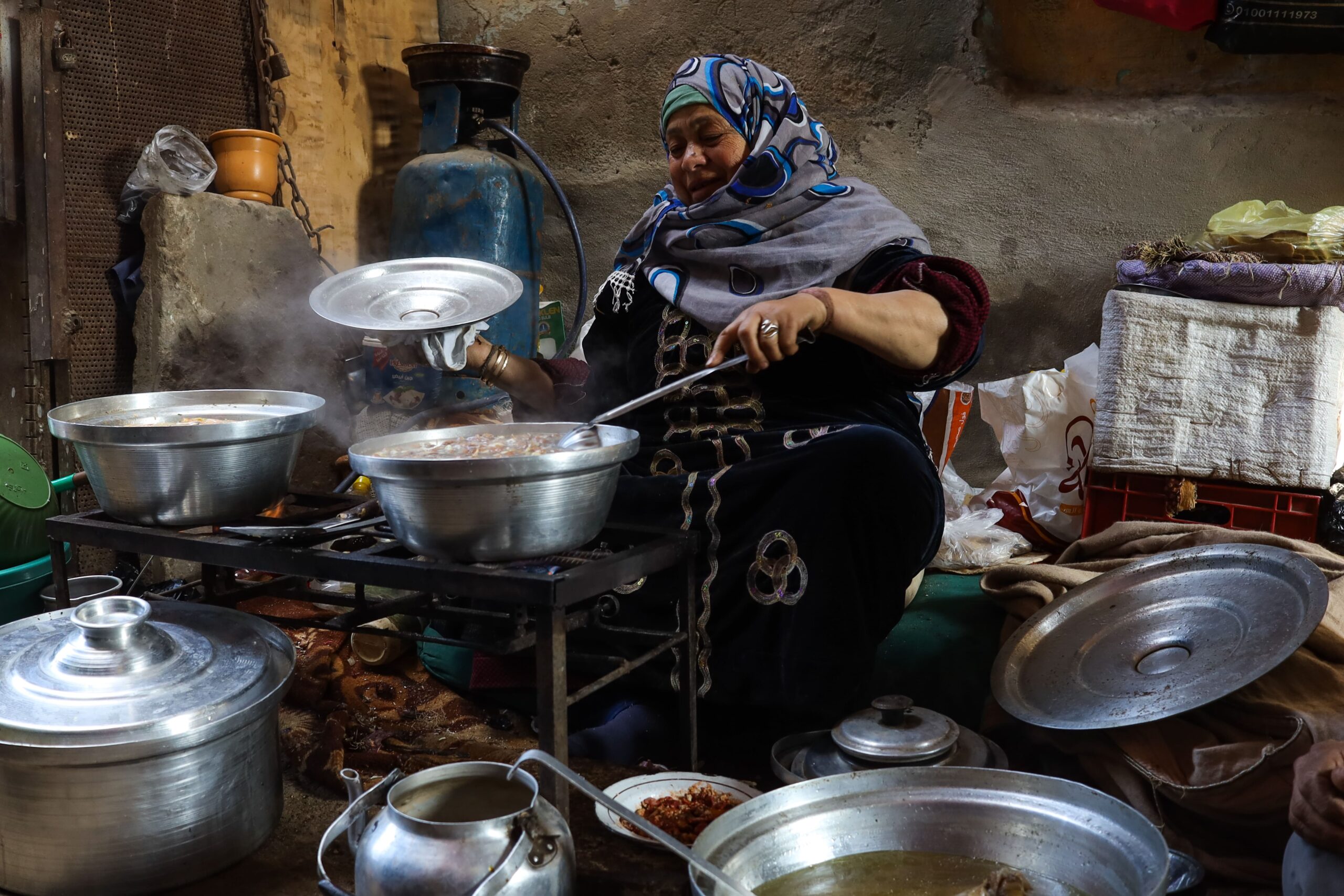
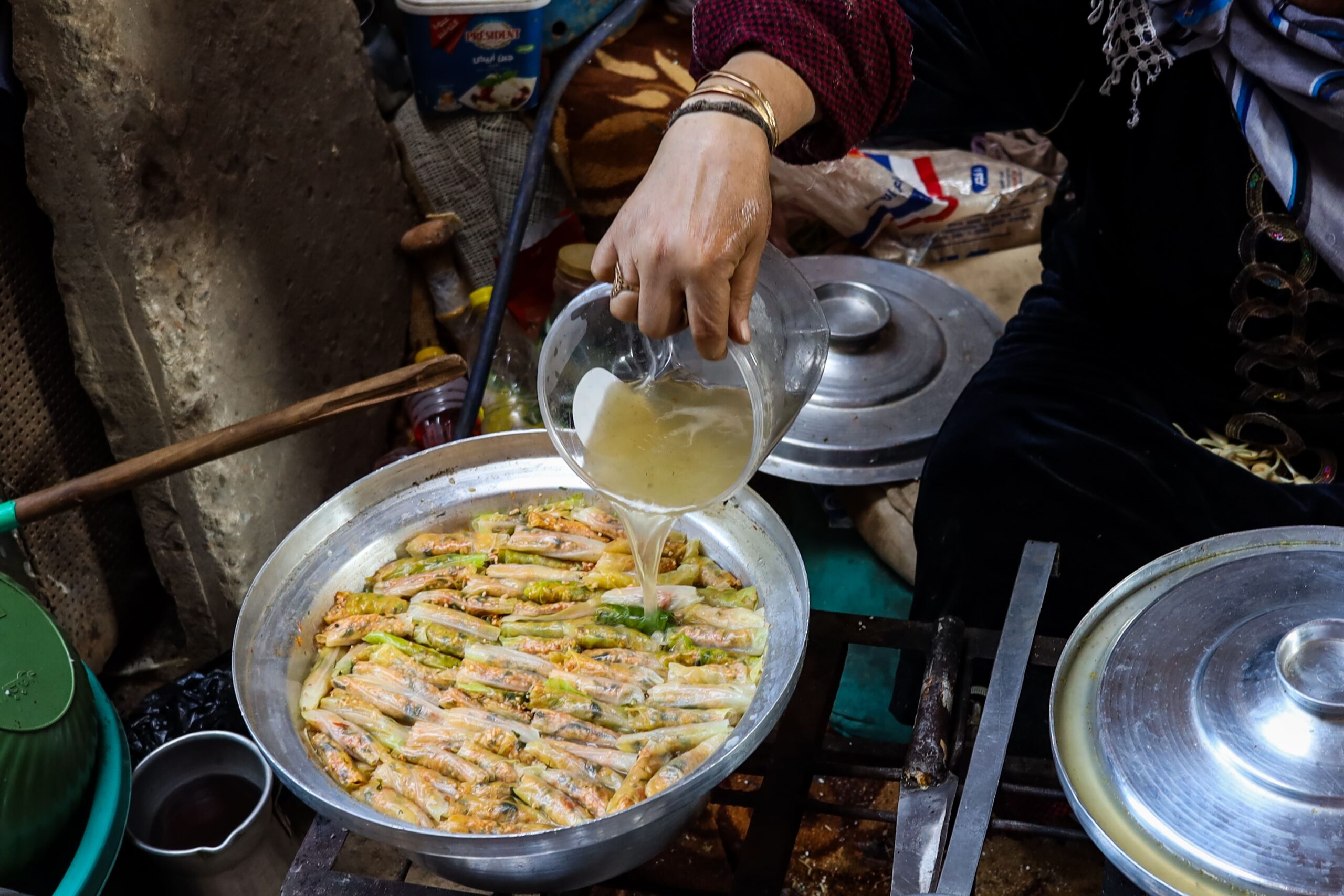
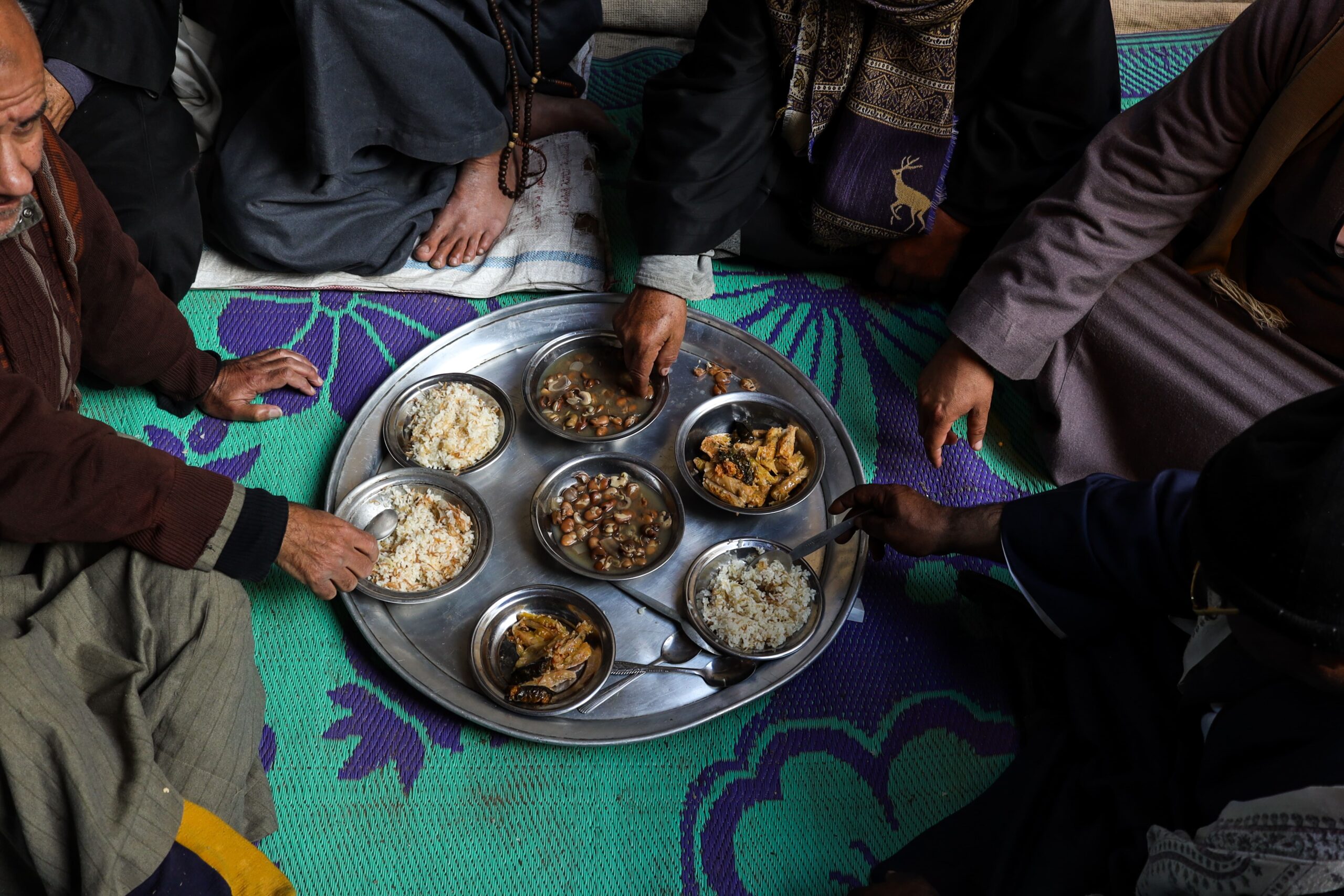
« For about a week before the final night of a religious festival in Egypt, volunteers gather in the streets to prepare large quantities of food for visitors. These meals are cooked collectively using fresh ingredients and traditional recipes, reflecting a culture of generosity, hospitality, and community care.
The food is distributed free of charge, making it accessible to people from different social and economic backgrounds. Beyond nourishment, it provides a sense of belonging and human connection. The preparation itself becomes a shared social activity, with neighbors contributing their time, labor, and resources to serve others.
These photographs document not only the food but also the collective effort behind it: hands stirring large pots, volunteers serving meals, and visitors gathering around shared tables. In a busy urban environment, such traditions transform public streets into spaces of solidarity, where food becomes a symbol of care, inclusion, and community well-being. »
The food that travels with you
Nathaniel Joseph
📍 Abuja FCT, Nigeria
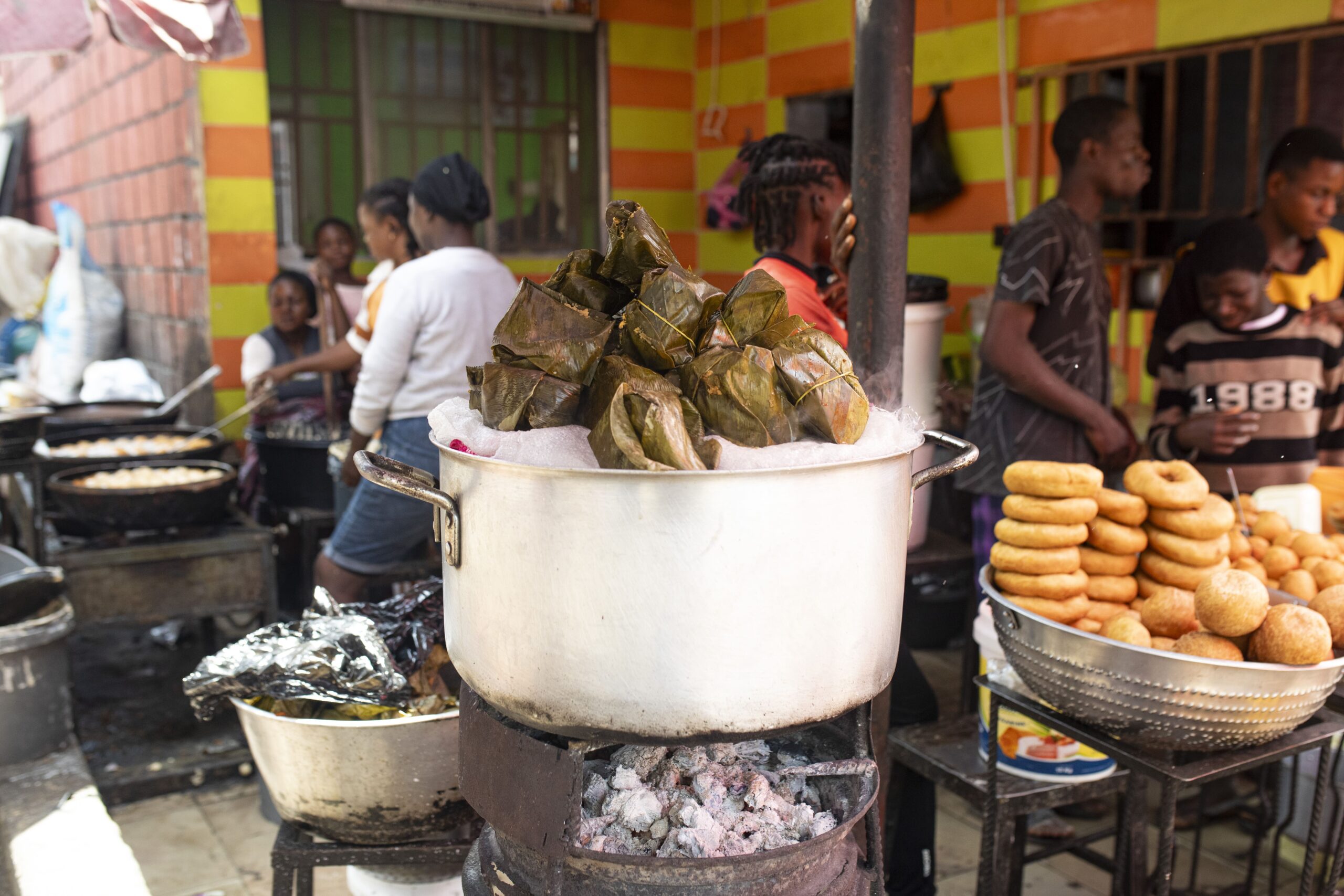
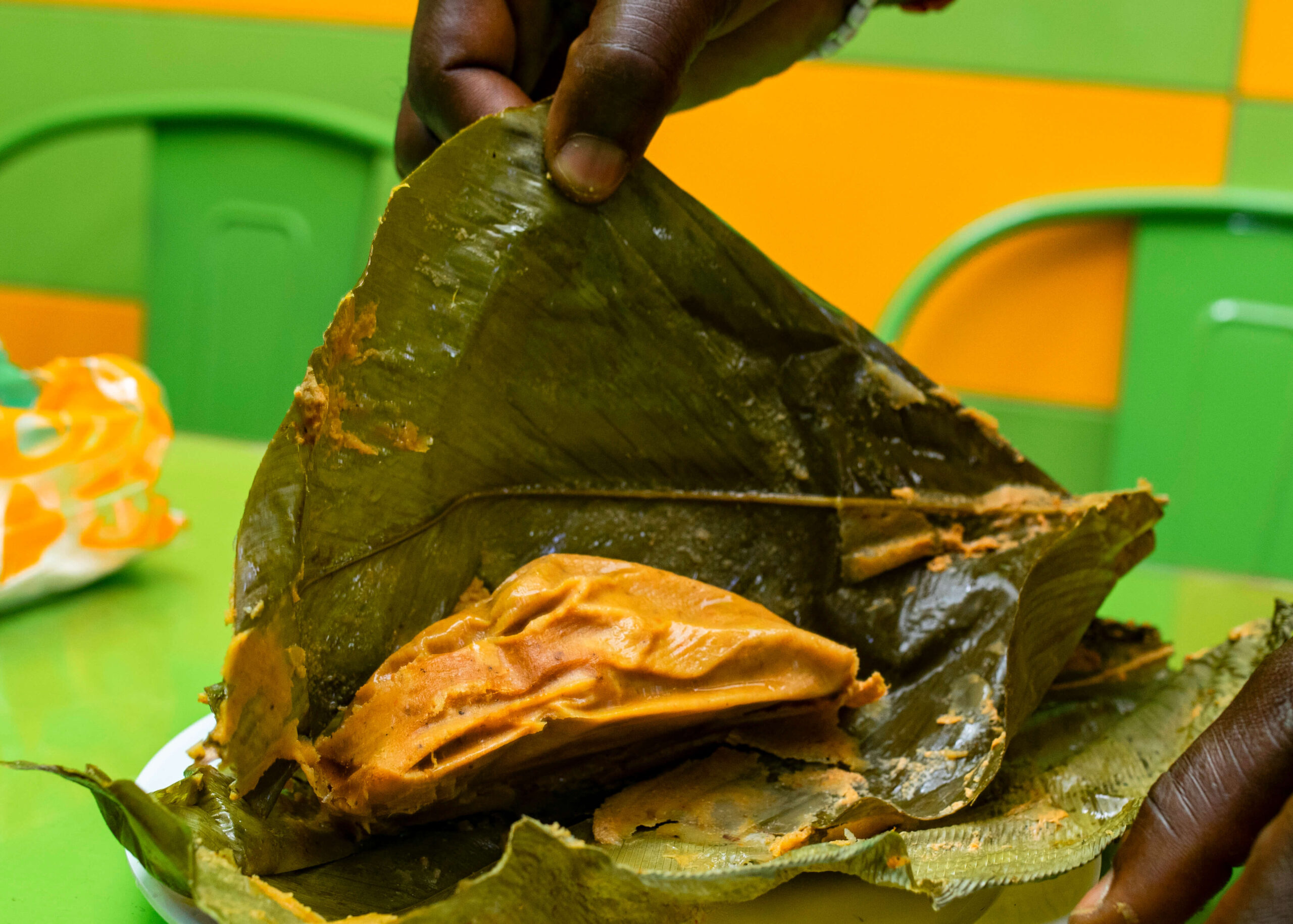
« Before the sun rises, the city is on the move. Countless commuters rush out of their homes and return by dusk, leaving zero time to cook. In this daily [hustle], food vendors become their life-lines but one particular spot feels different. The Heavenly kitchen found in the city of Abuja in Wuse Market started out of a pure love for cooking.
Mrs Pauline Osim’s kitchen has become a [meeting] point for both low income earners and also some high income earners looking to grab a bite from her spot.
While fast food is great for quick convenience, her traditional moi moi made with beans wrapped in uma-leaf offers steady protein and fiber, giving people from all walks of life the energy needed for a long day. This food is affordable, healthy and made by someone who cares. [It is also] made with the right ingredients that give it that home touch and it’s built to travel with you. »

From dust to nourishment:The heartbeat of Mbare
Clivet Chinake
📍 Harare, Zimbabwe
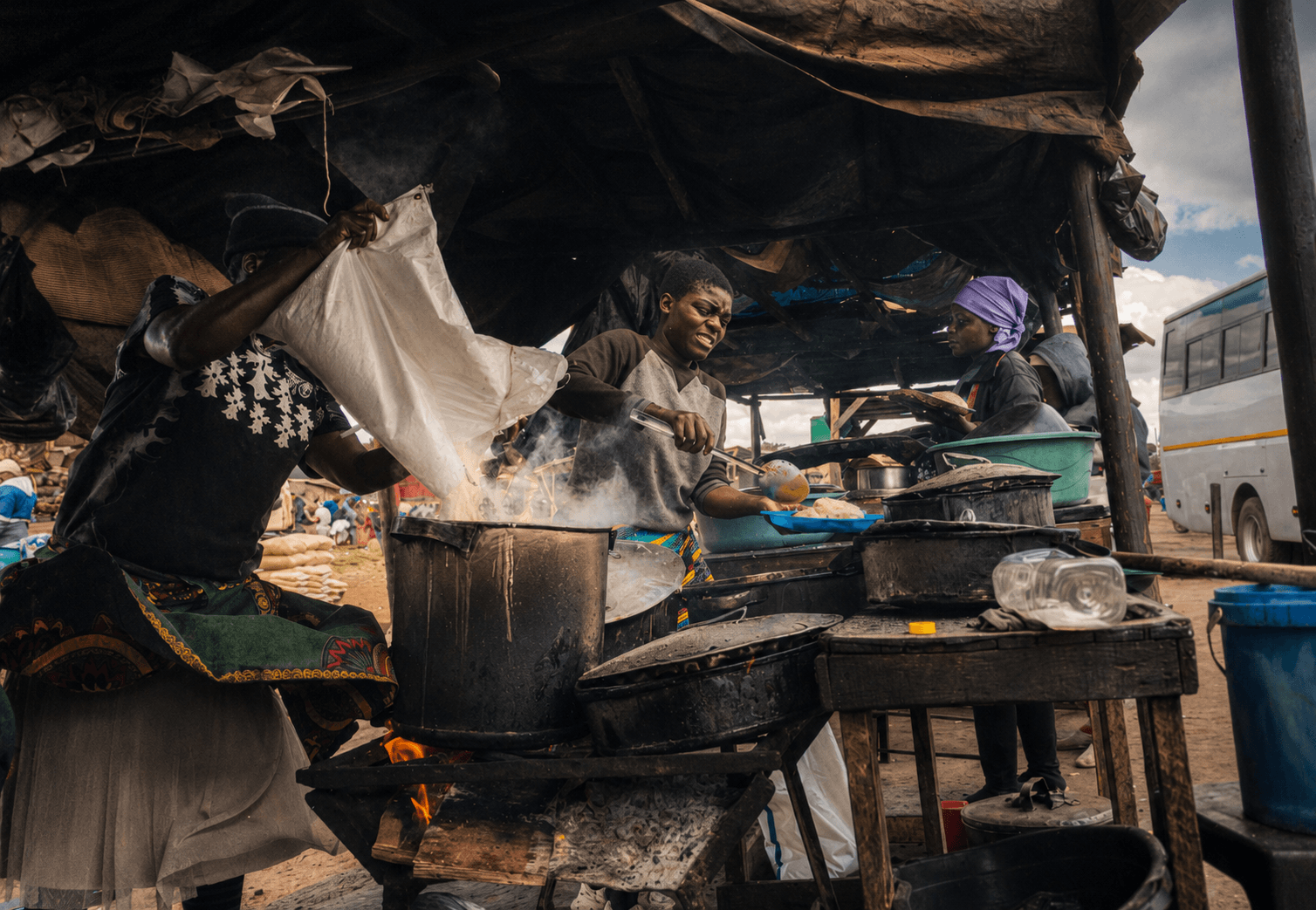
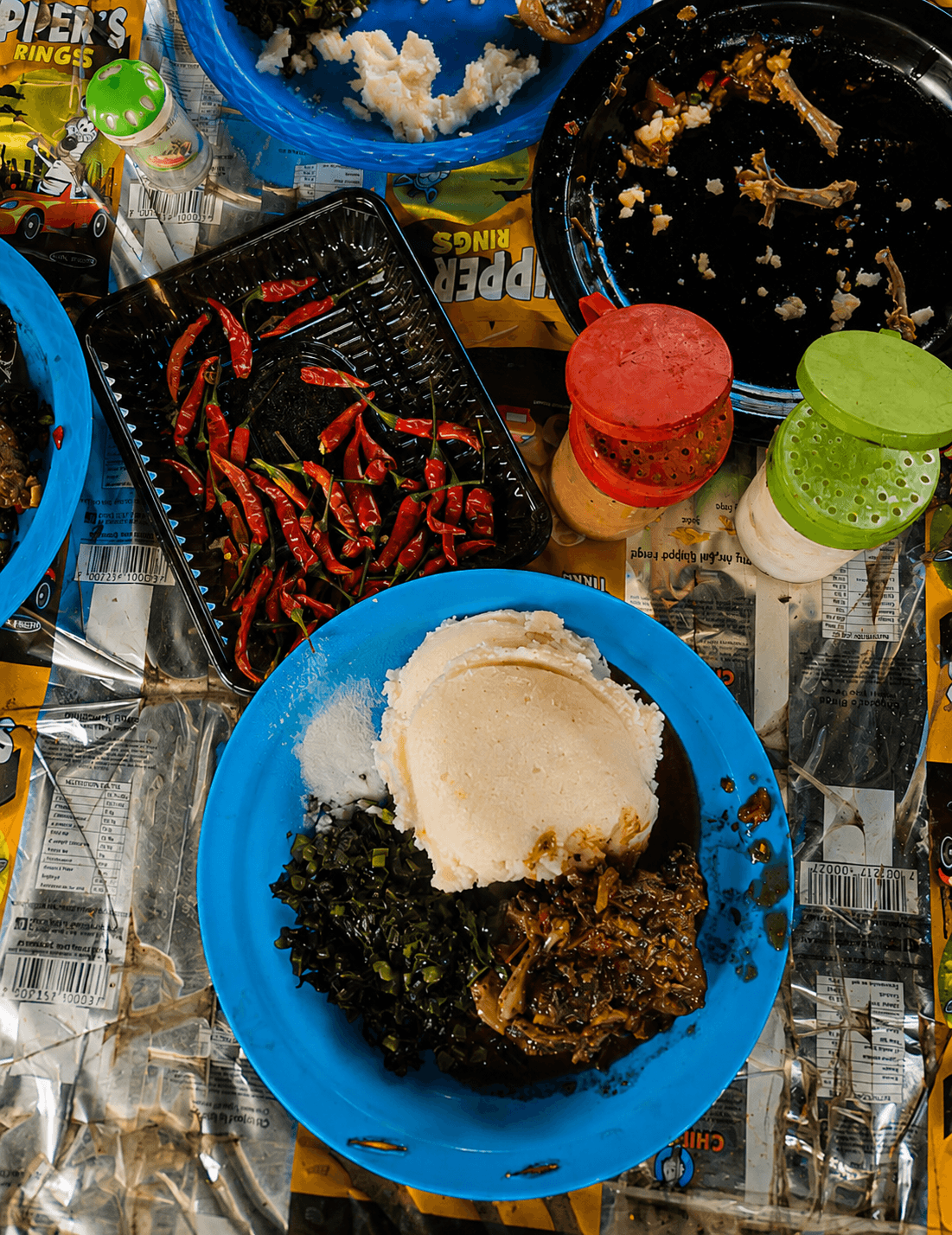
« In the centre of Harare, Mbare Musika thrives as a chaotic yet vital ecosystem where urban survival meets essential nutrition. This bustling wholesale market is the gateway for fresh produce, directly fueling the roadside open-air kitchens where resilient women cook over open wood fires. Amidst the rising smoke and transit buses, they work tirelessly to craft affordable, nutrient-dense meals for the community.
The final plate: a steaming portion of sadza paired with freshly chopped leafy greens rich meat stew and fiery local chilies, is far more than just sustenance. It represents a conscious, deeply rooted commitment to traditional well-being. In a fast-paced township environment this meal stands as a testament to how heritage, community grit, and fresh local ingredients intersect to keep the city nourished. »
Shortlisted entries
Midday relish, the rhythm of the market and the daily bread
Michael Tembo
📍 Lusaka, Zambia
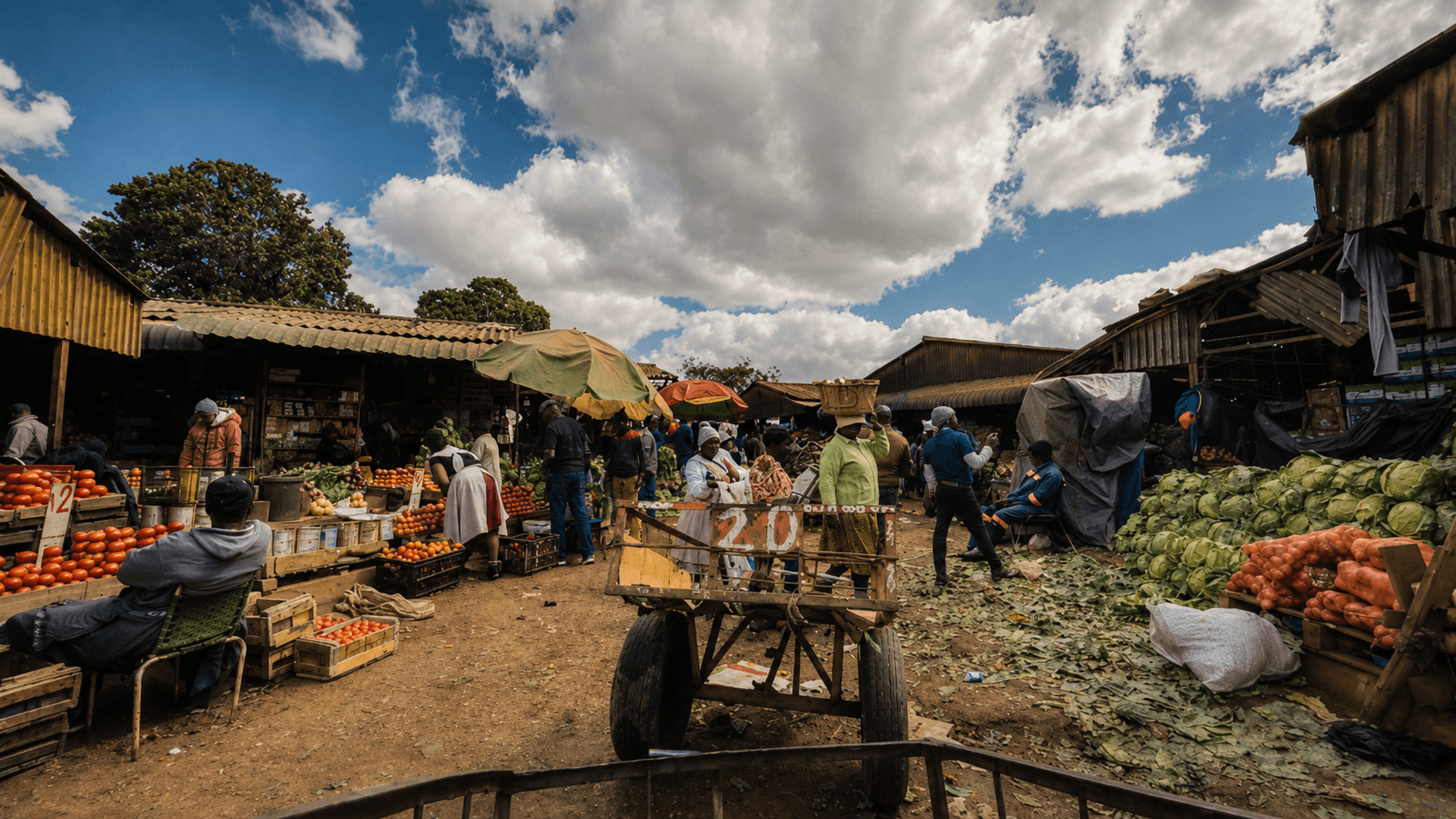
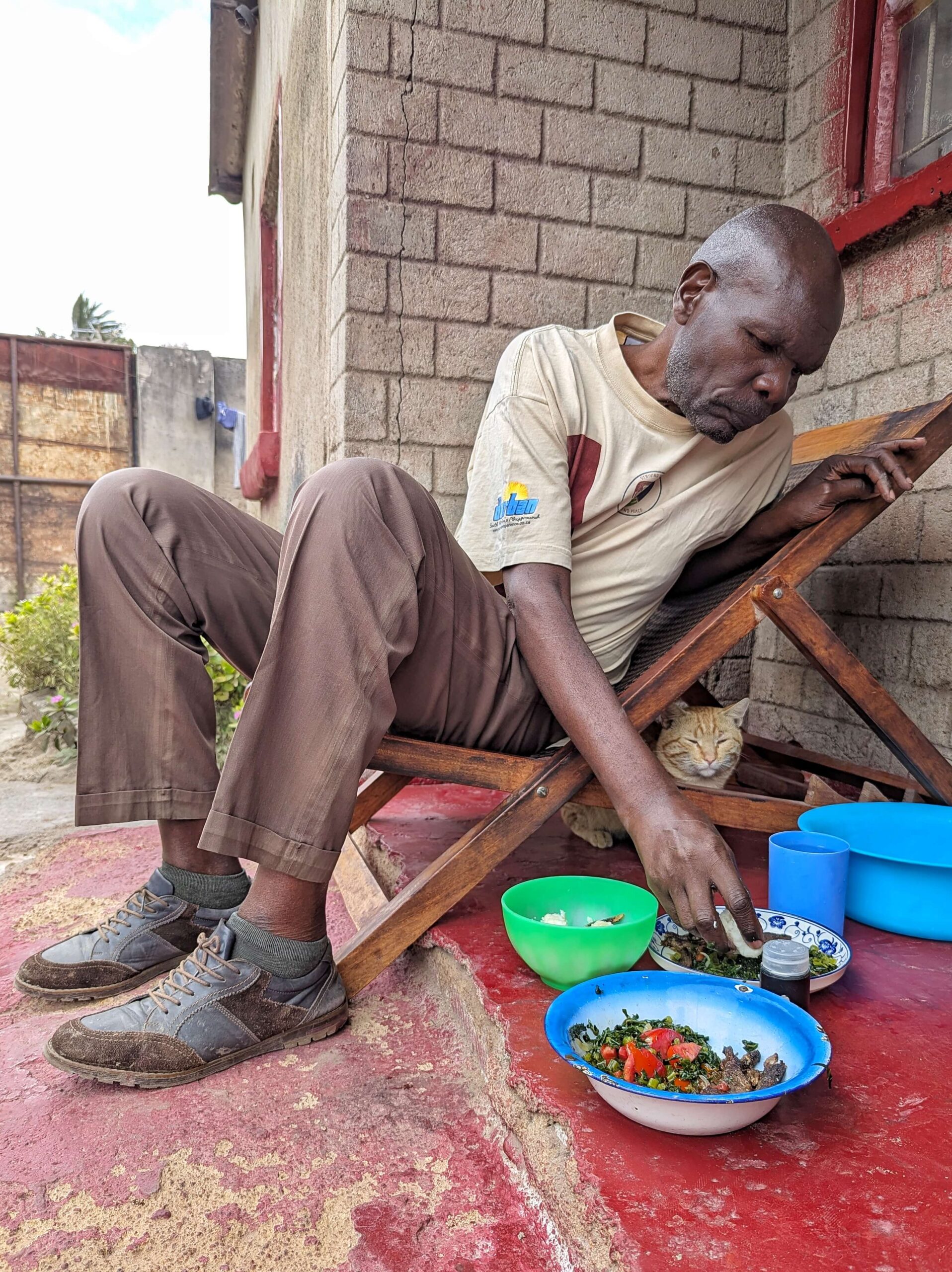
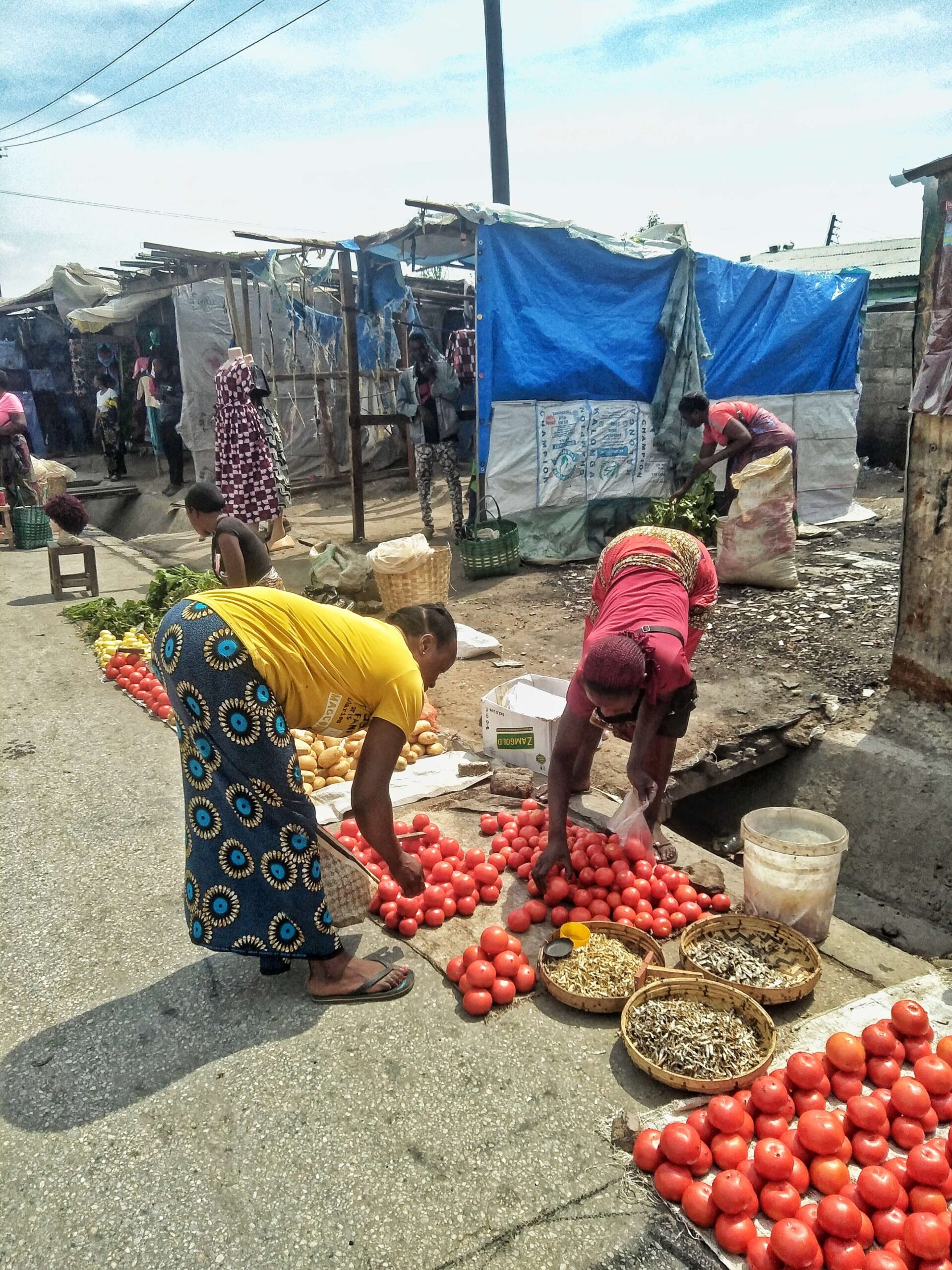
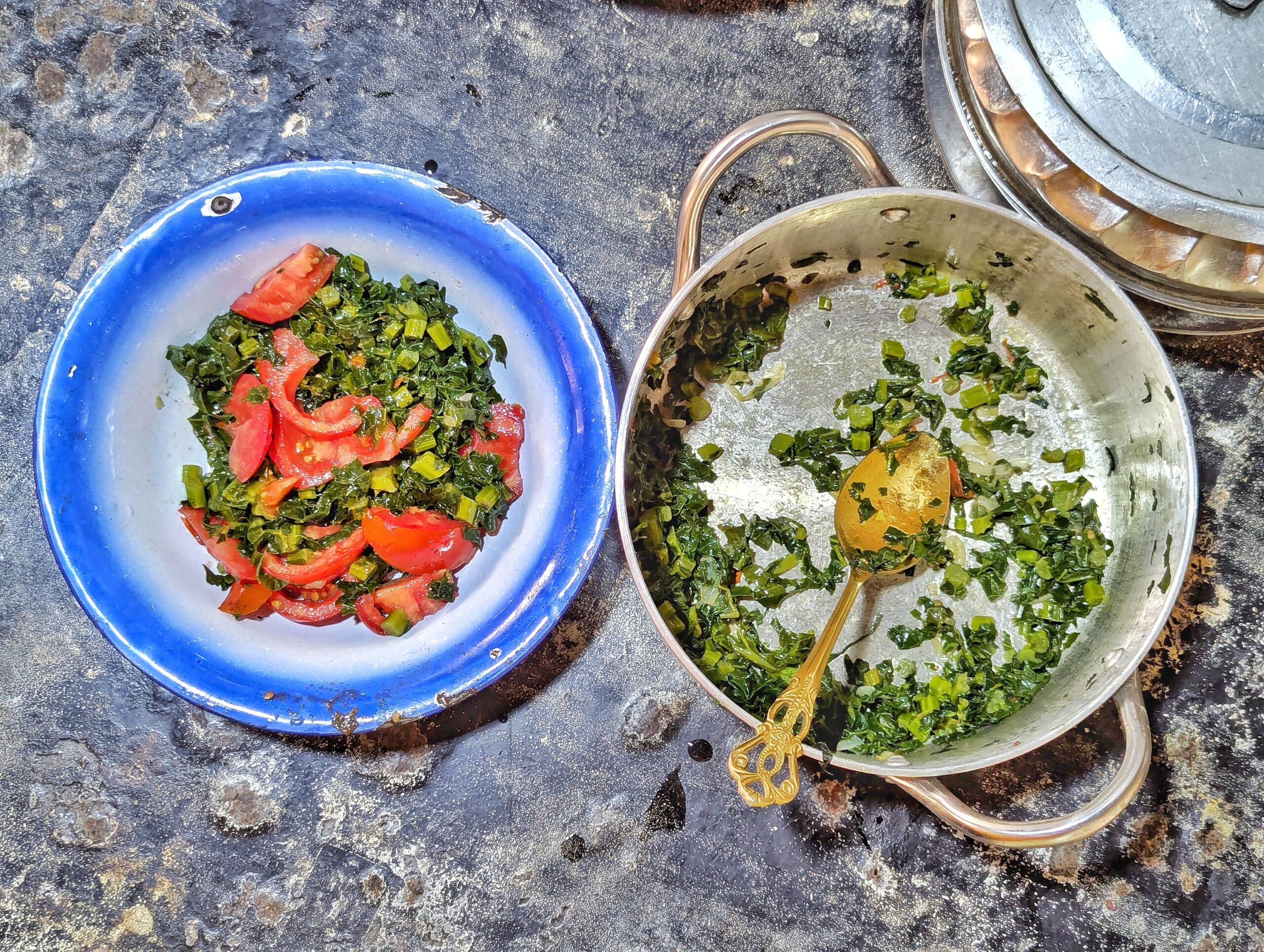
« Mixing raw tomatoes with collard greens provides health benefits because both vegetables are rich in essential nutrients.
Most people in both rural and urban areas prefer to get their tomatoes from [local markets] as opposed to supermarkets because the tomatoes at a local market are often grown naturally without excessive chemicals, which makes them safer for consumption. One advantage of going to the market is that there are no queues, you don’t have to wait in a line for you to be catered for by the trader, it’s easier and convenient.
These vegetable are often enjoyed alongside nshima, which is Zambia’s staple food meaning mealie meal is very accessible in both rural and urban areas. When combined with vegetables, beans, fish or meat, mealie meal contributes to a balanced and healthy diet. To those who can’t afford to buy a 25KG bag of mealie meal they have the option of buying it in 1KG plastic bags through neighborhood vendors. The mealie meal industry also supports food security because many urban families depend on it for daily meals. «
From market stalls to healthy plates
Favour Agenyi
📍 Abuja, Nigeria
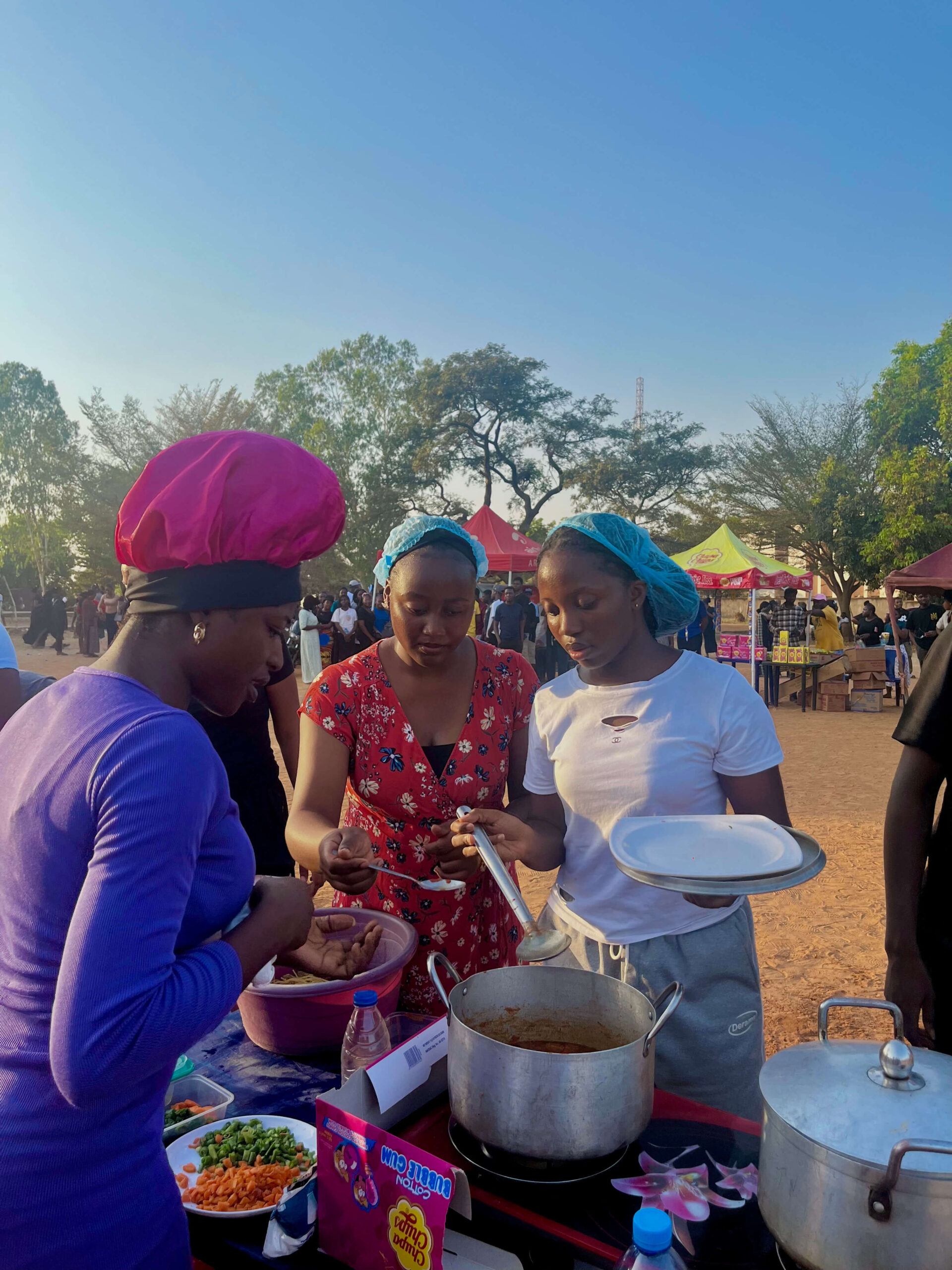
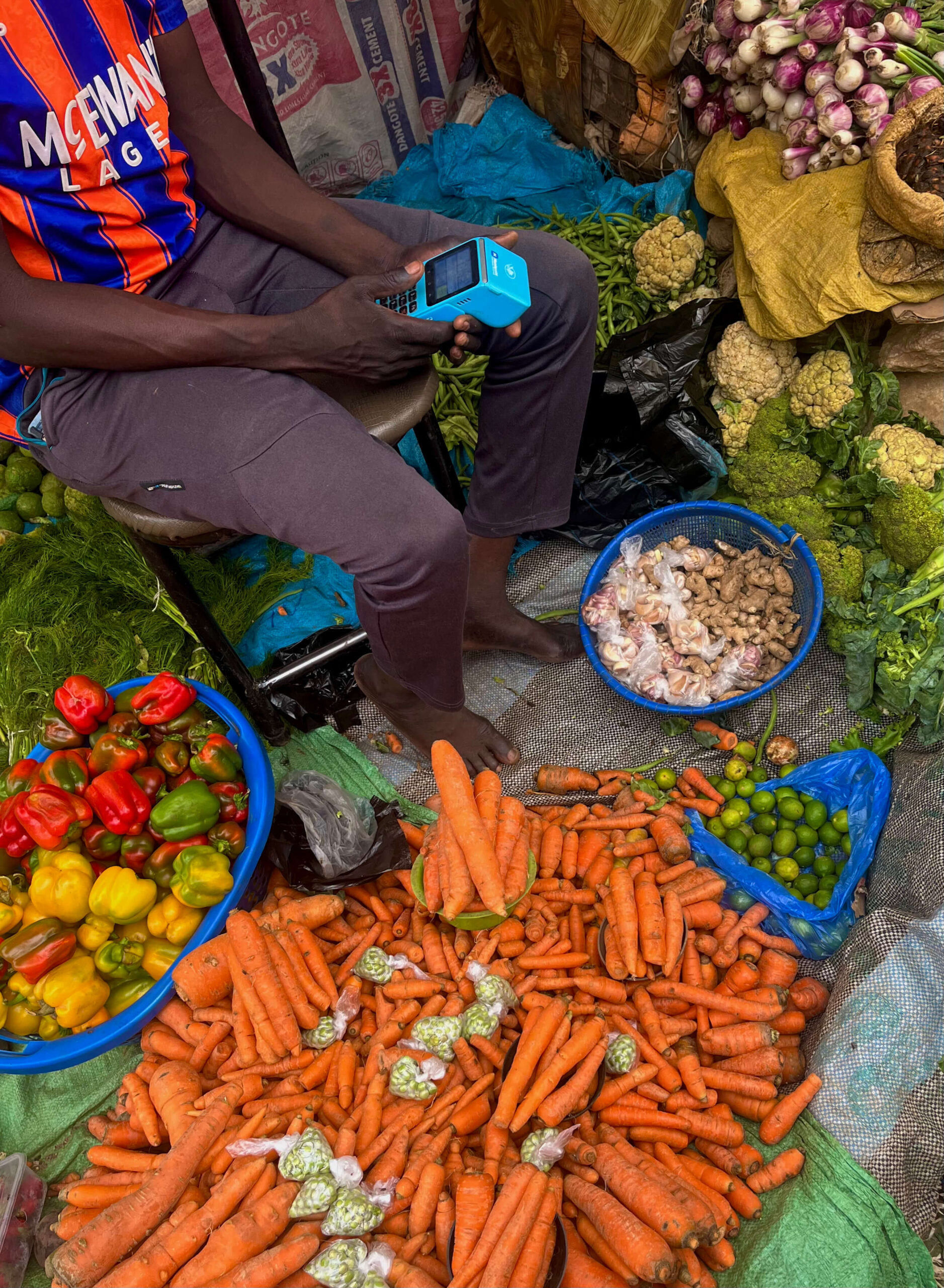
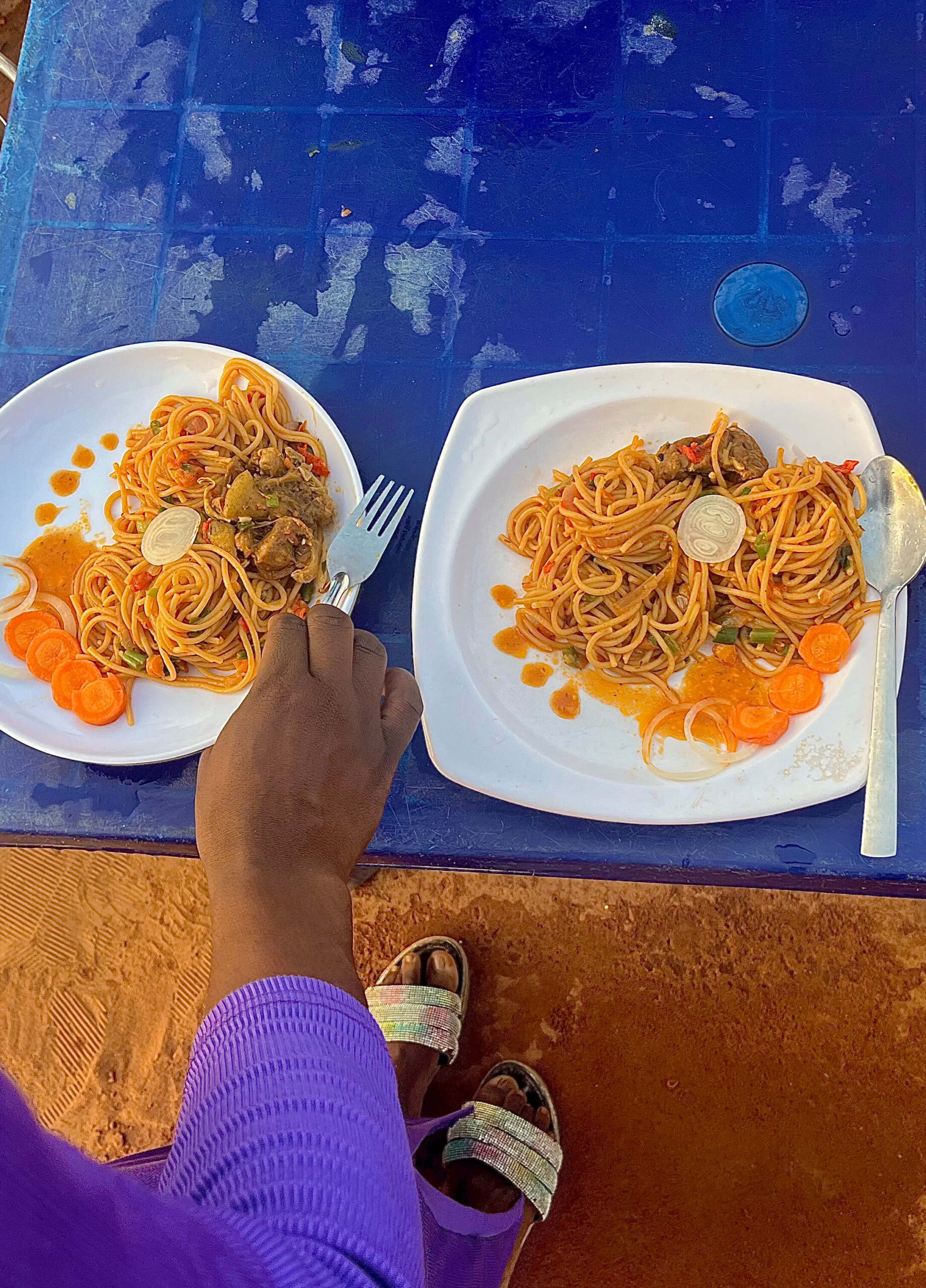
« This set of photos show how healthier eating can still be affordable within everyday urban life.
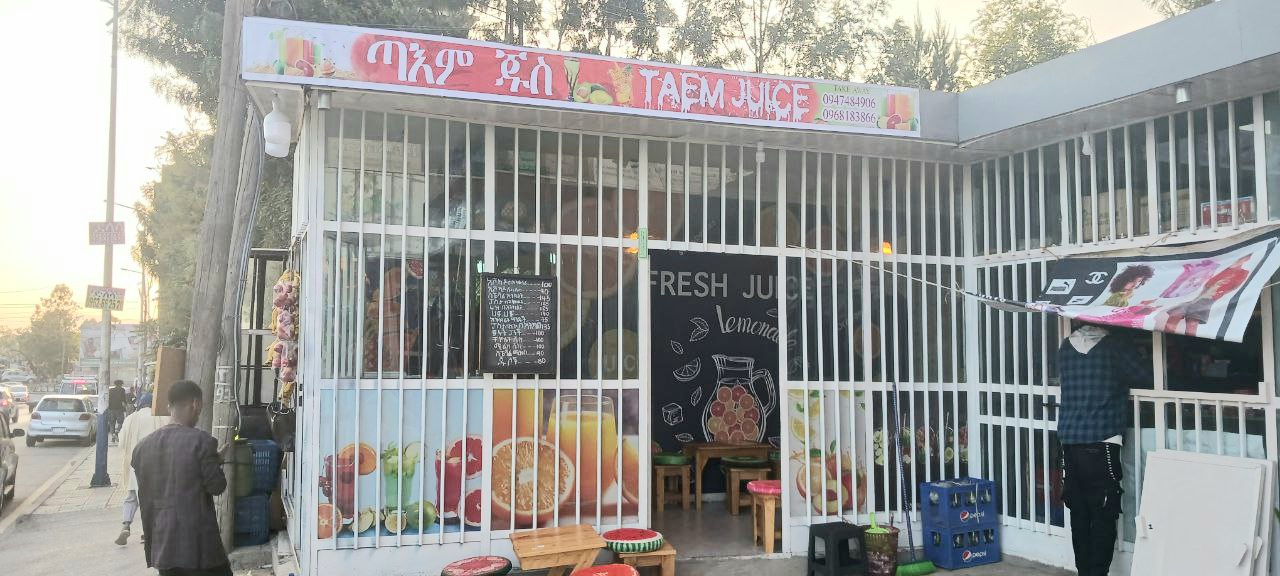
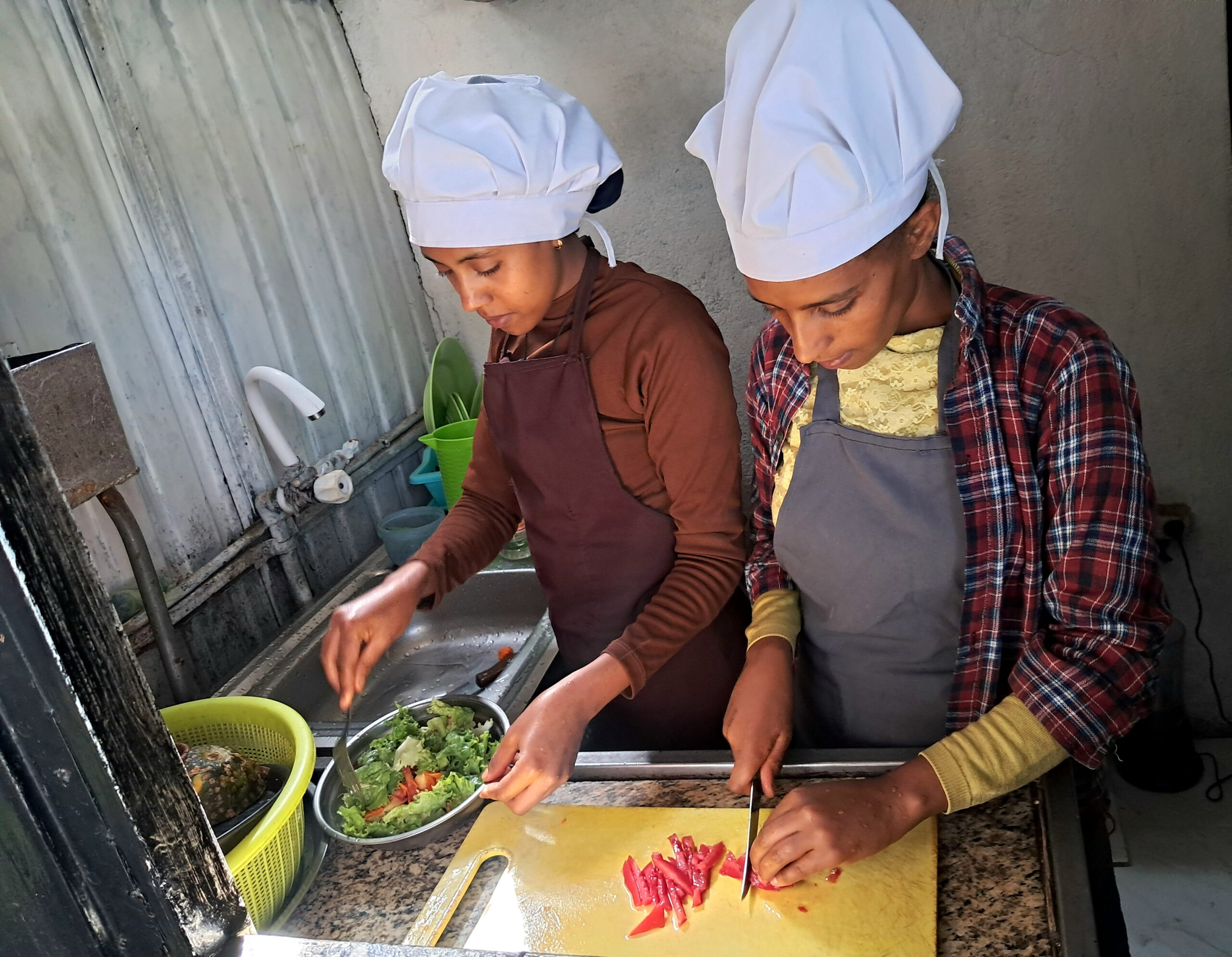
The Plate features a vegetable-based meal prepared from fresh, locally sourced ingredients, showing that good nutrition does not have to be expensive or complicated. The Place is a local vegetable stall in a busy city market where fresh produce is sold at accessible prices. It demonstrates how markets remain an important source of affordable, high-quality food, making it possible to choose healthier ingredients without increasing cost. The People are me and my team during a cooking session, selecting and preparing ingredients together. Our choices reflect how careful selection of local, seasonal produce can maintain food quality while staying within budget.
Together, the images highlight that affordability does not have to compromise nutrition. With intentional choices in local markets and simple preparation, healthier food options are achievable in everyday city life. »
The smile of a crave
Ankiiza Samuel Perez
📍 Lweza, Uganda
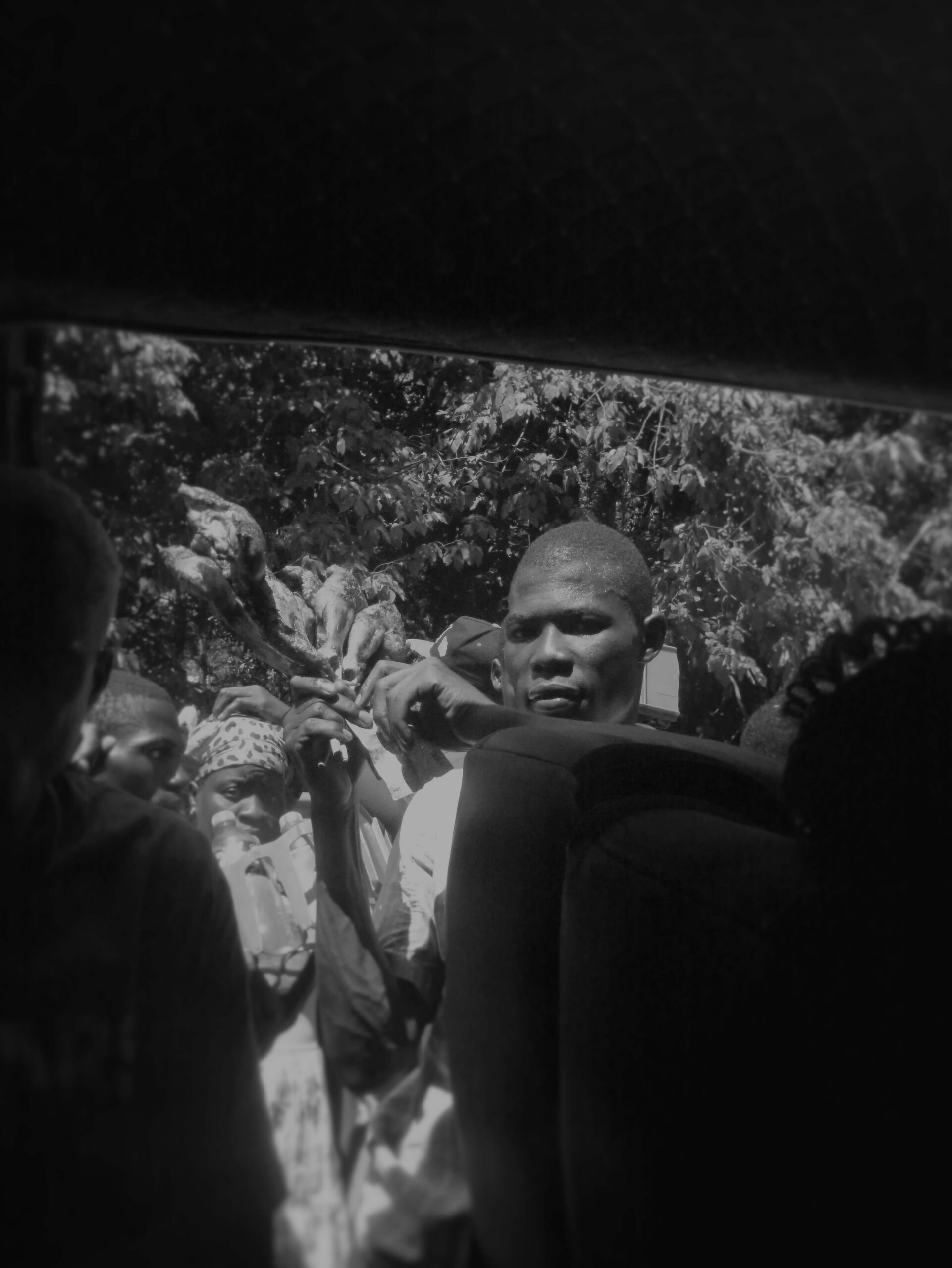
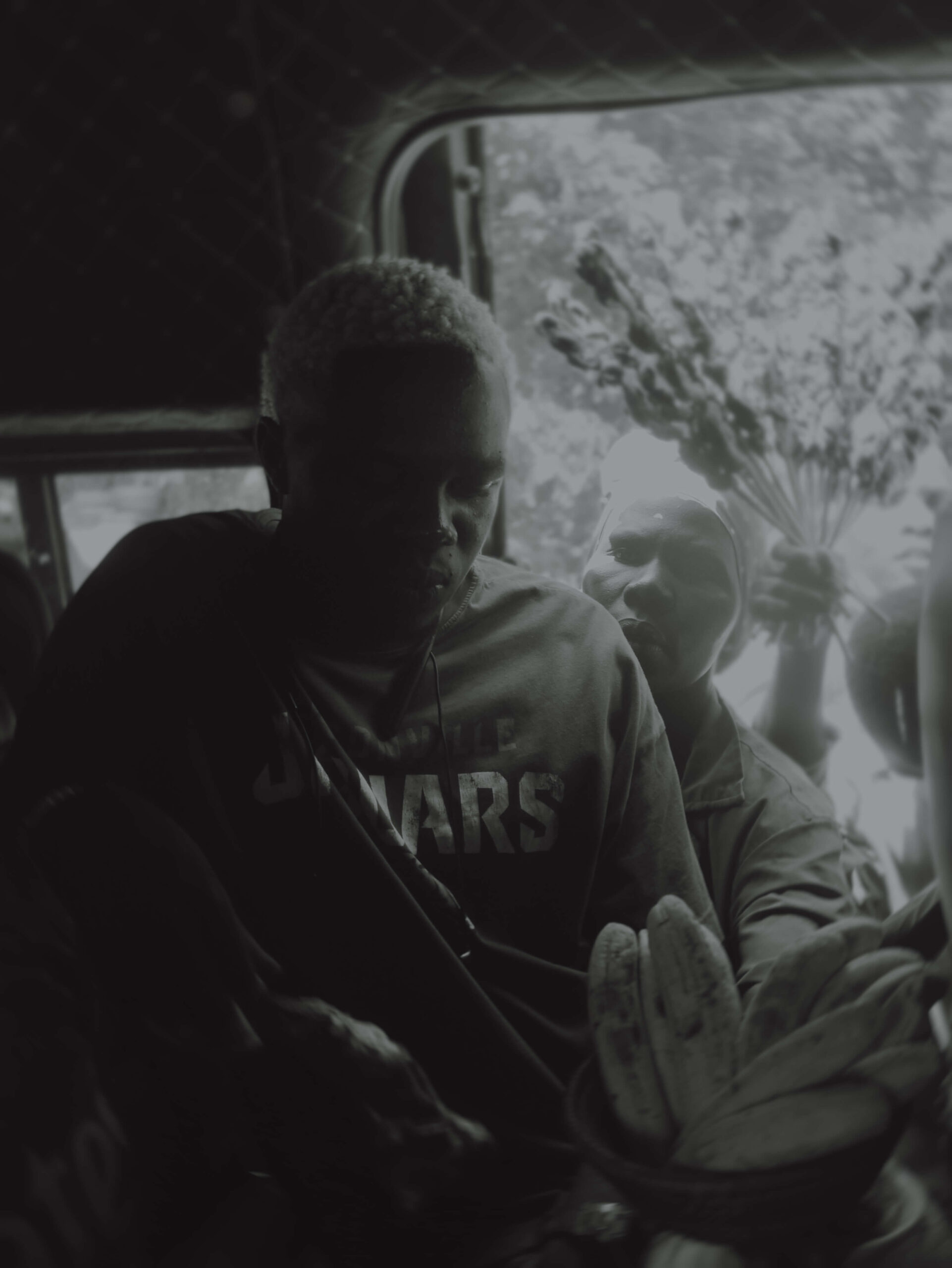
« Growing up in the village is the definition of healthy eating. Food always came out of the soil/garden and onto the plate. Honestly you can’t beat that… the air smelt like what oxygen should be. That’s the beauty of the village.
One of the traditions for trips is a standard stop at the roasted chicken/beef stop. It’s not that people don’t care for their health and they probably should watch it more, however a craving like this is not one to miss. It’s not soil to plate. It’s a nutrition from healthy fed livestock. »

Mawlid Meals
Doaa Adel
📍 Cairo, Egypt
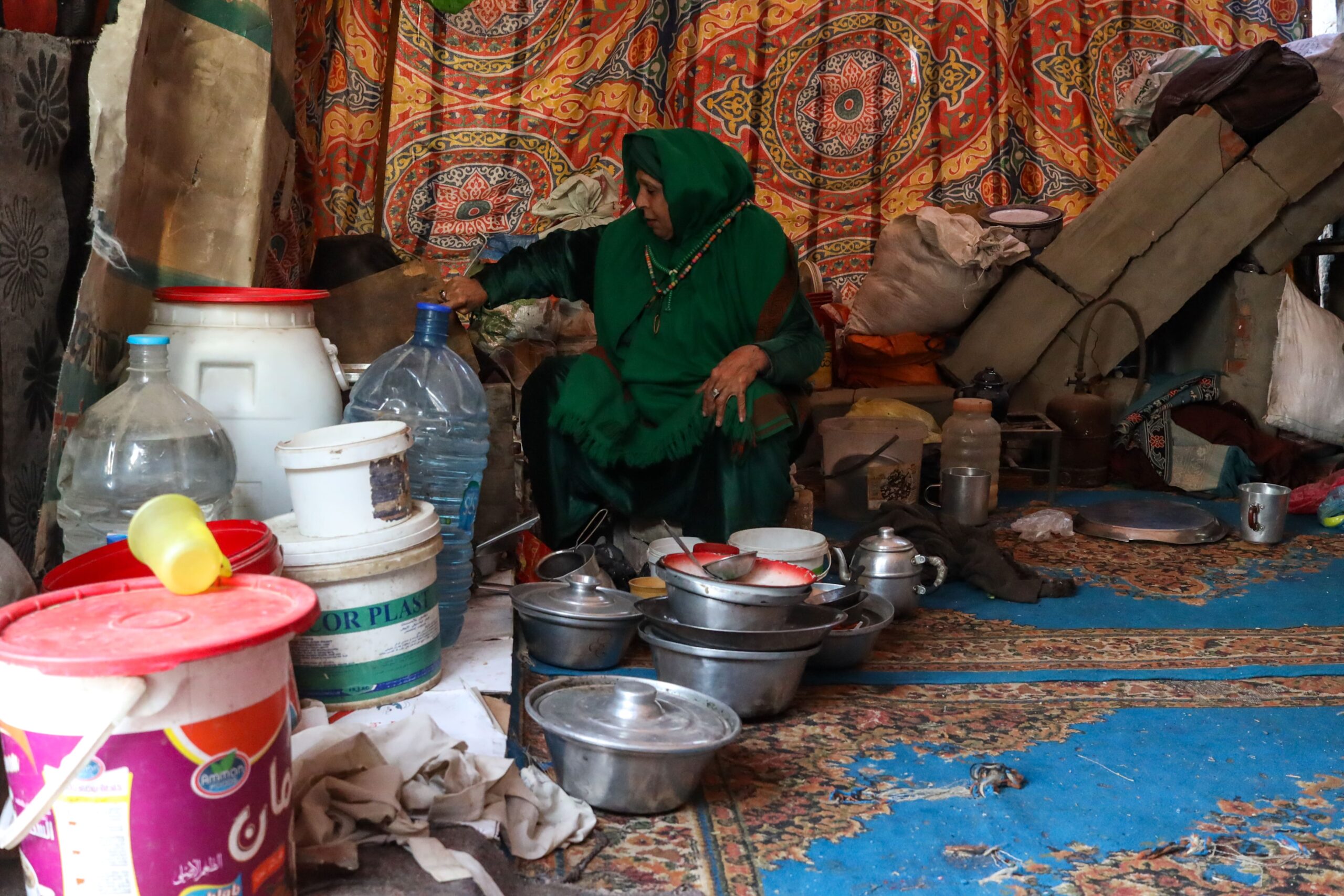
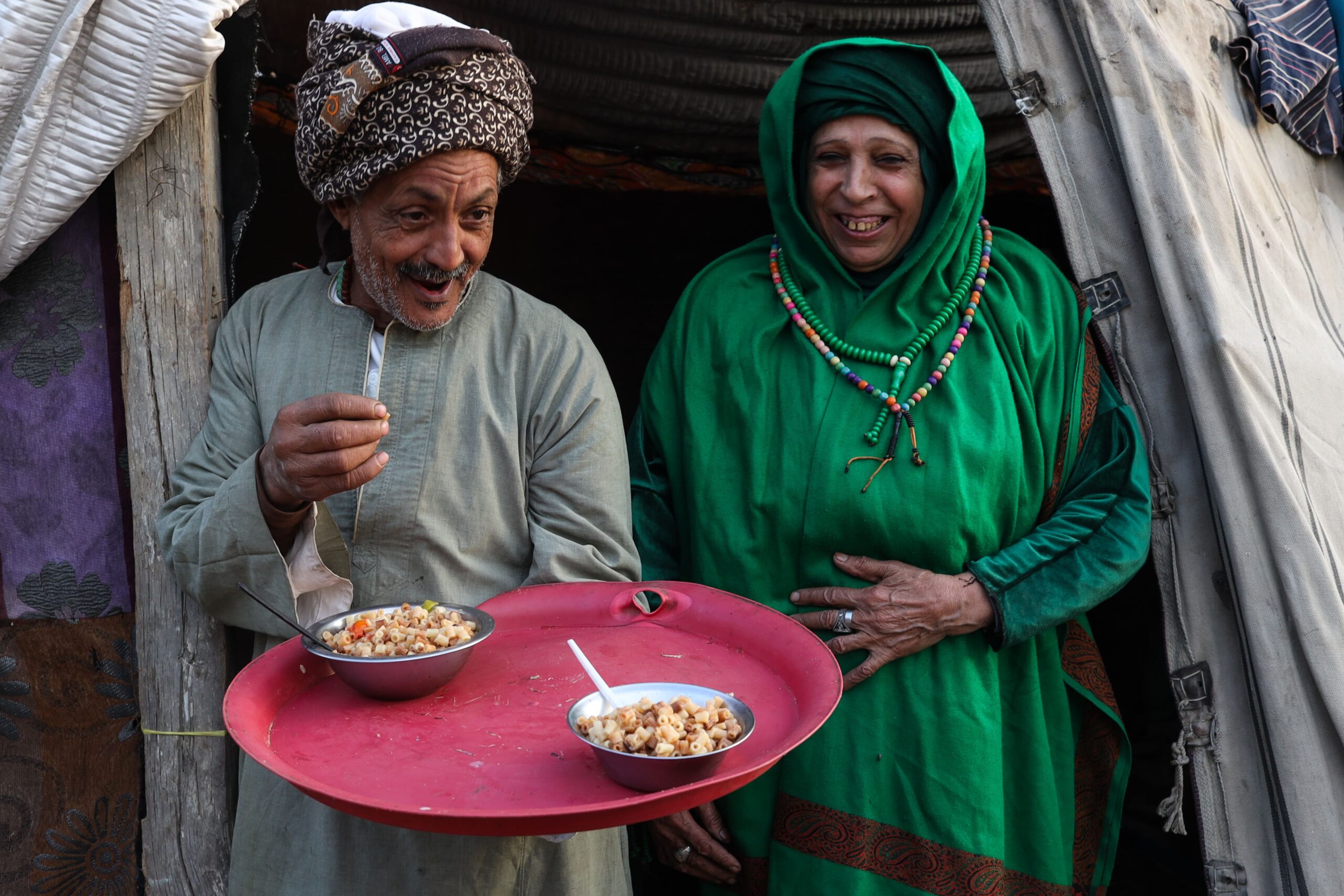
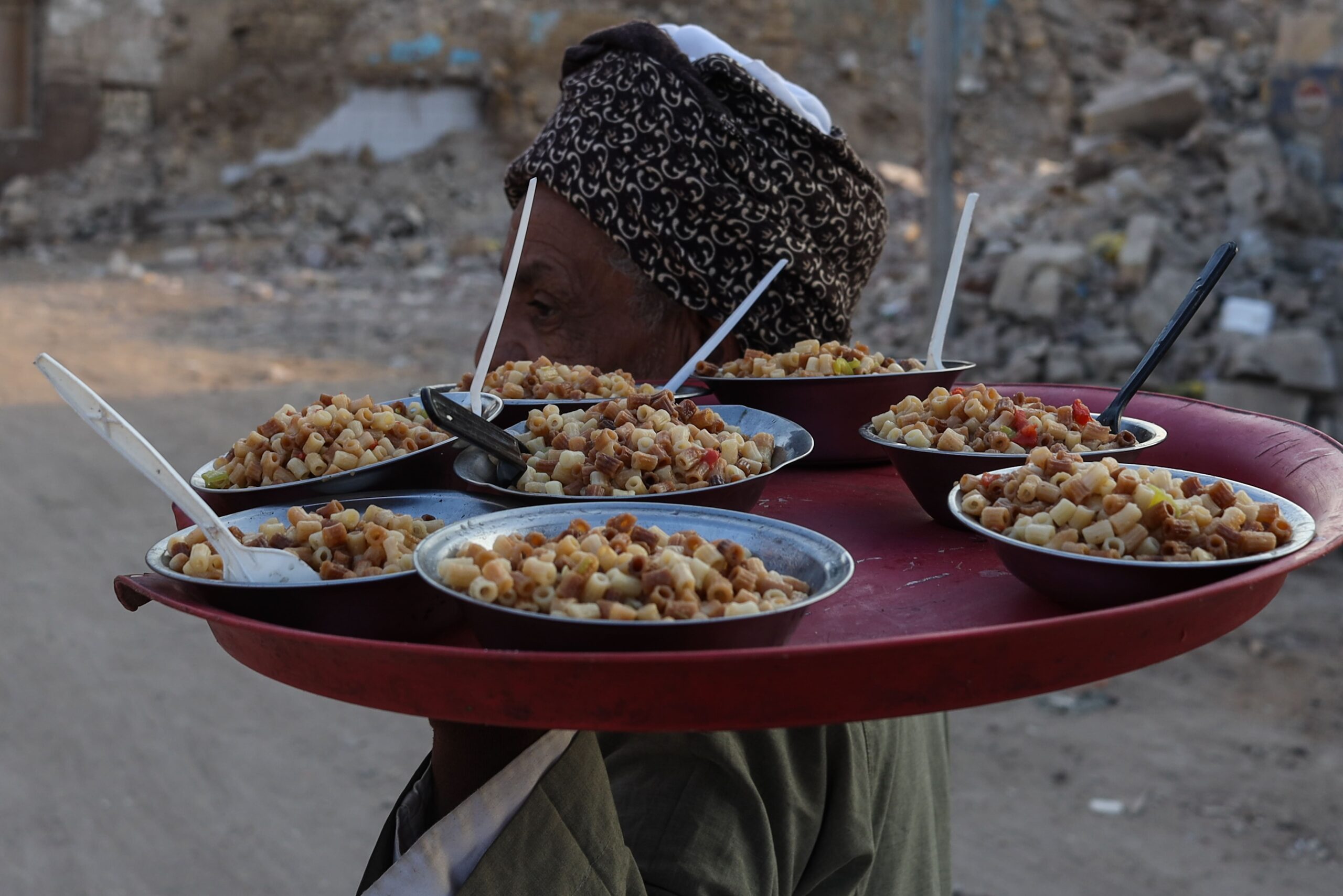
« For generations, food has been at the heart of Egypt’s religious festivals, where preparing and sharing meals is an act of generosity as much as nourishment. In the days leading up to a Mawlid celebration, volunteers gather in the streets to cook large quantities of food for visitors. Men and women work side by side, spending hours preparing ingredients, stirring large pots, and serving meals to anyone who comes.
The food is offered free of charge, making it accessible to people from all walks of life. Prepared with fresh ingredients and shared in a spirit of hospitality, these meals provide both nutrition and a sense of community. More than a tradition, they transform public spaces into places of care, where strangers sit together and share the same table.
These photographs document the collective effort behind Mawlid meals, revealing how food becomes a language of giving, belonging, and human connection in everyday urban life. »
Related to the pavement
Andile Bhala
📍 Johannesburg, South Africa
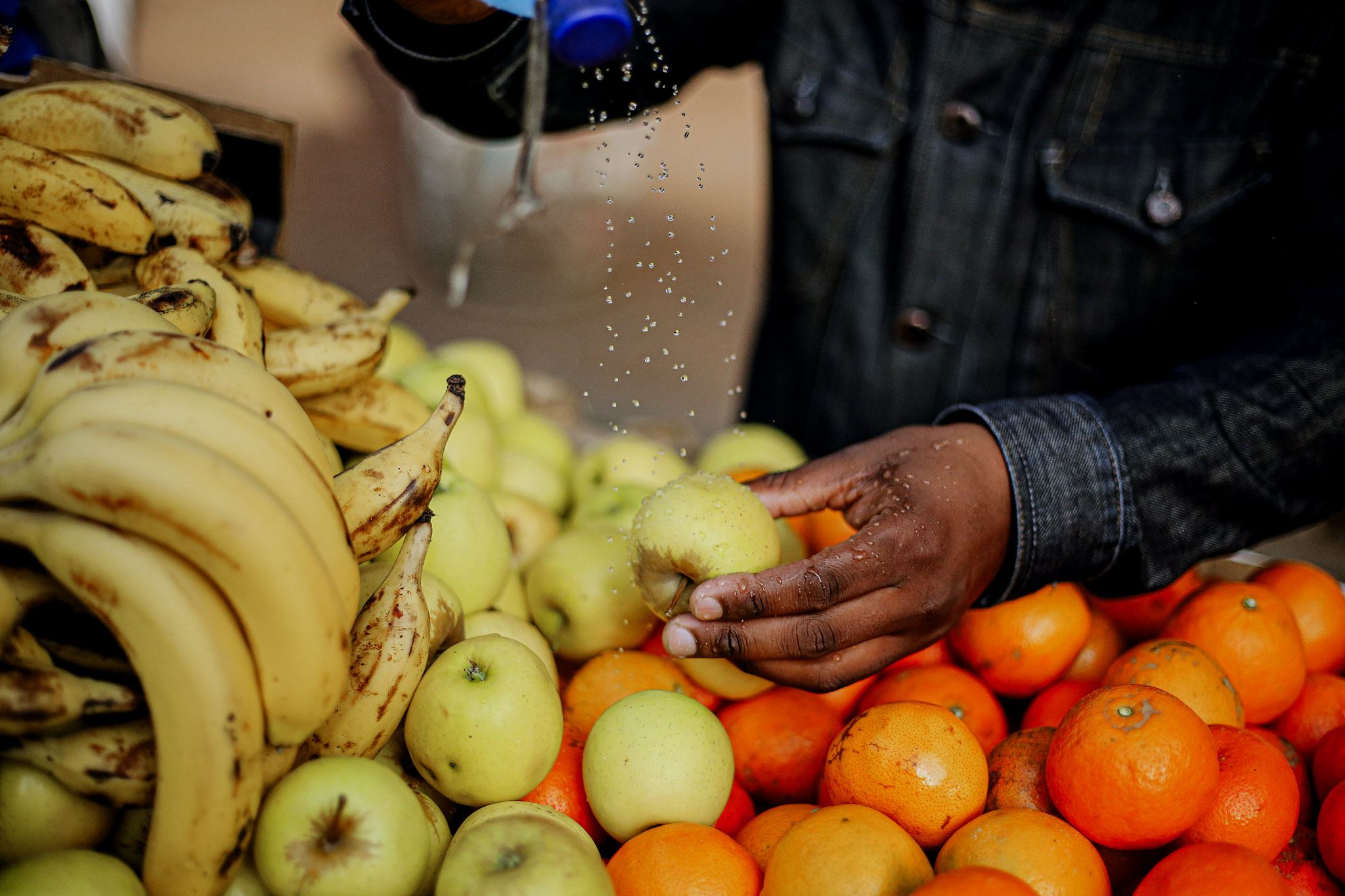
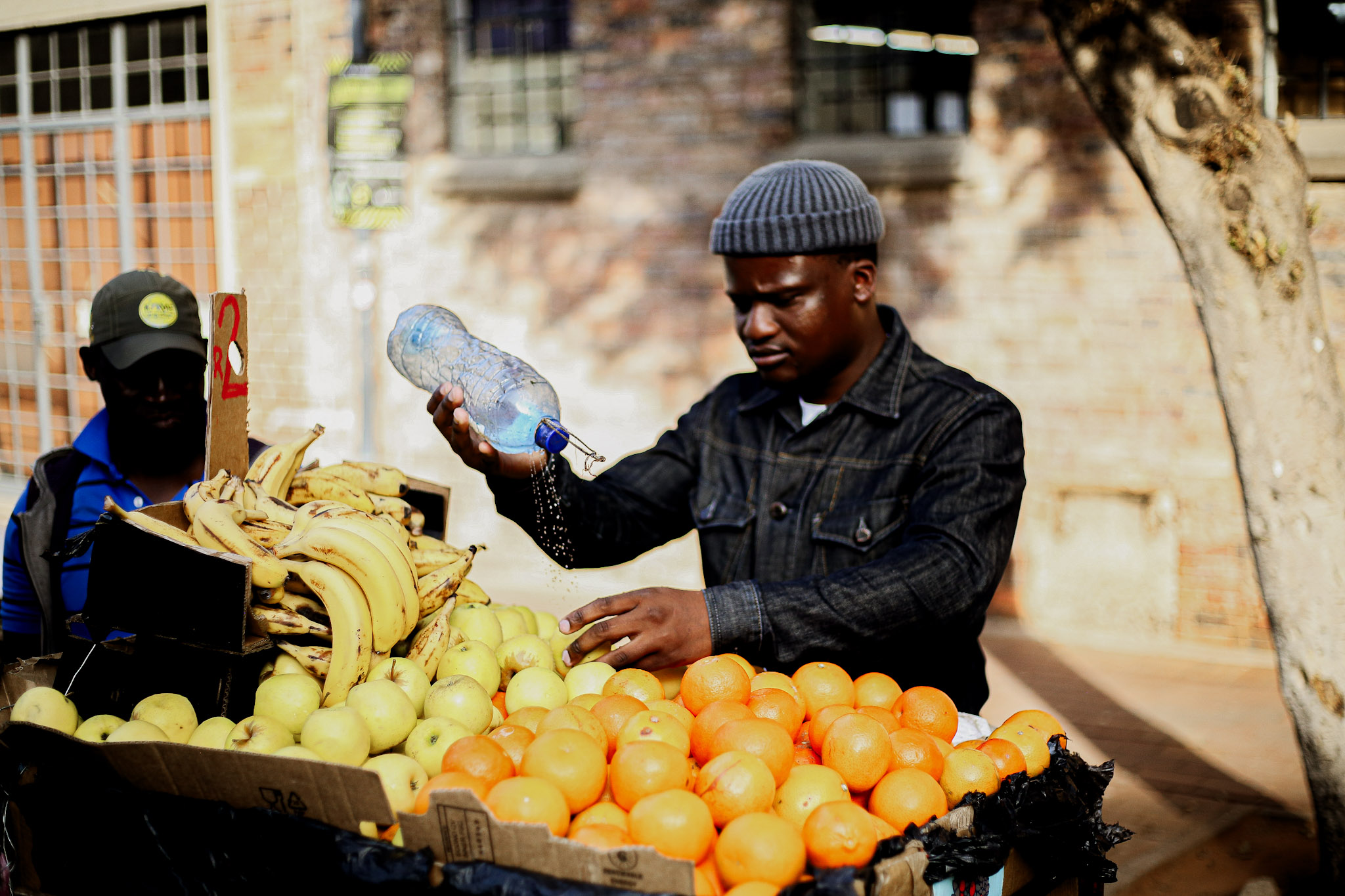
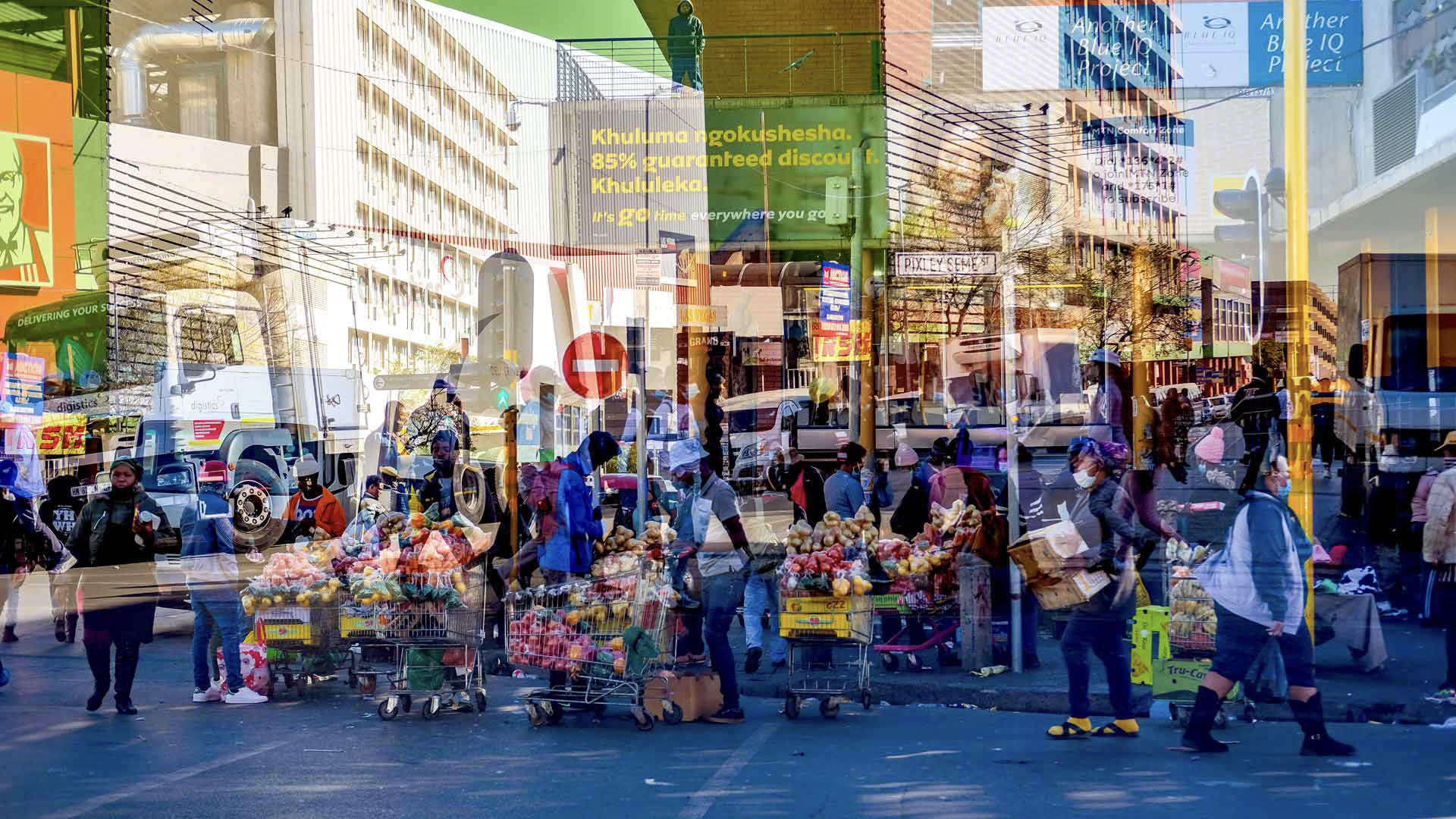
« This photo series celebrates the everyday fruit sellers who move through the city’s pavements, bringing fresh and healthy food directly to people on their way to school, work, and other daily activities. These vendors transform ordinary streets into spaces of care, connection, and nourishment, making fruit easily accessible within the rhythm of urban life.
The images highlight how a simple piece of fruit becomes a practical and healthier choice for busy commuters seeking affordable, fresh food while on the move. The pavement is more than a place of transit; it is a vital point of exchange where community, livelihood, and wellbeing intersect.
By documenting these encounters, the project draws attention to the important role informal traders play in supporting healthier eating habits and sustaining community life. The fruit sellers become part of the city’s social fabric, offering both nourishment and human connection in the midst of everyday movement. »
Somali canjeero: A healthy tradition in urban life
Fuaad Feysal Osmaan
📍 Mogadishu, Somalia
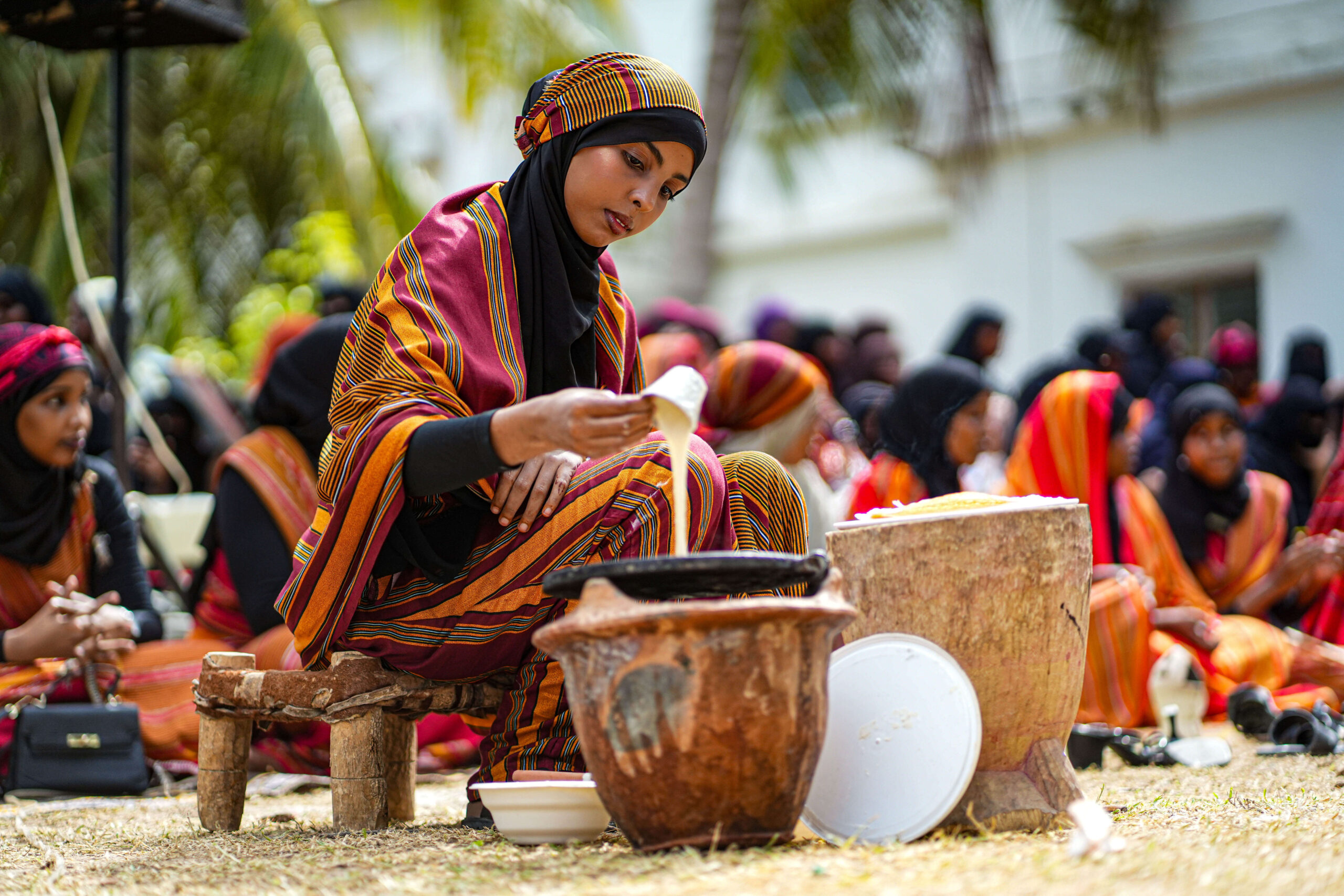
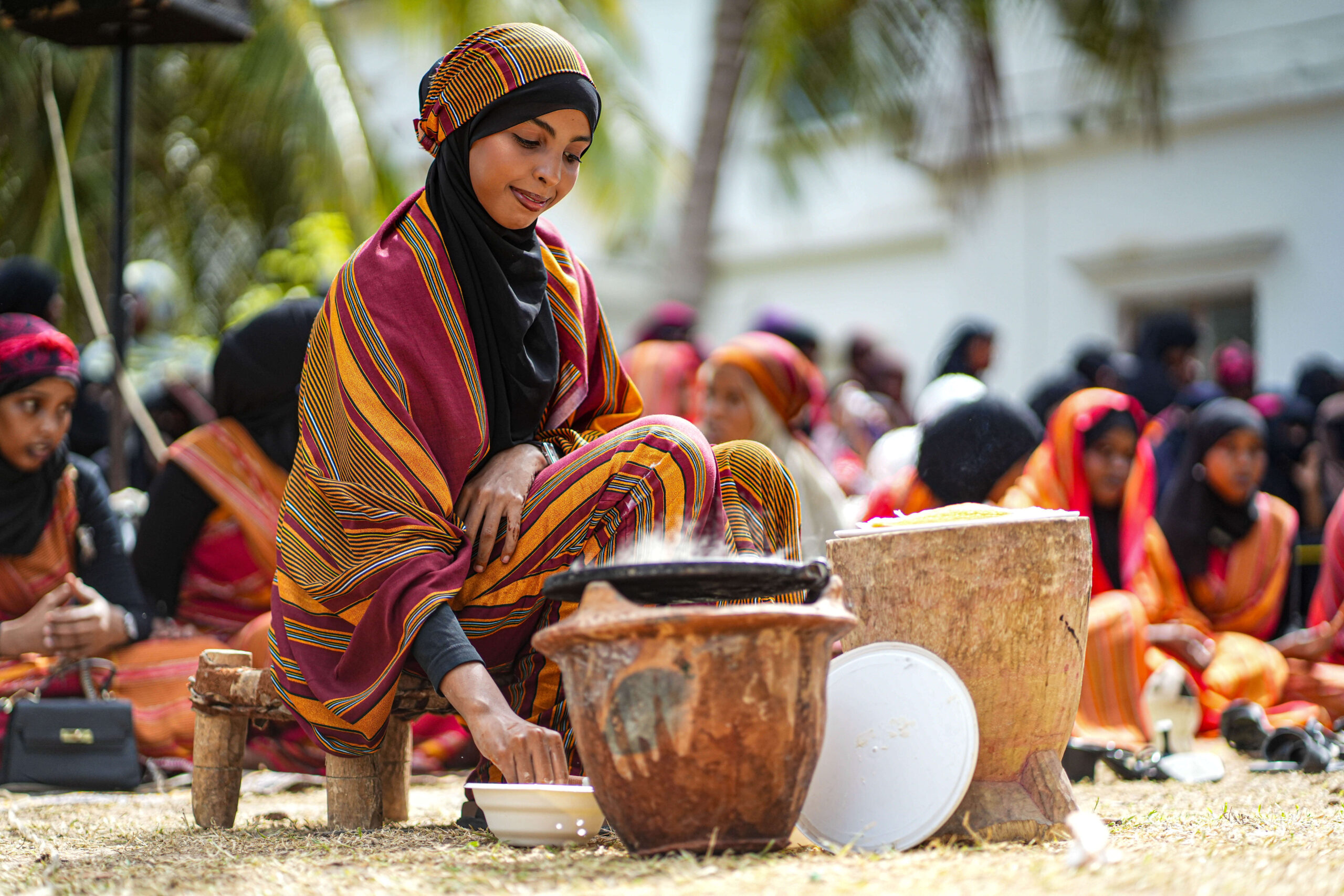
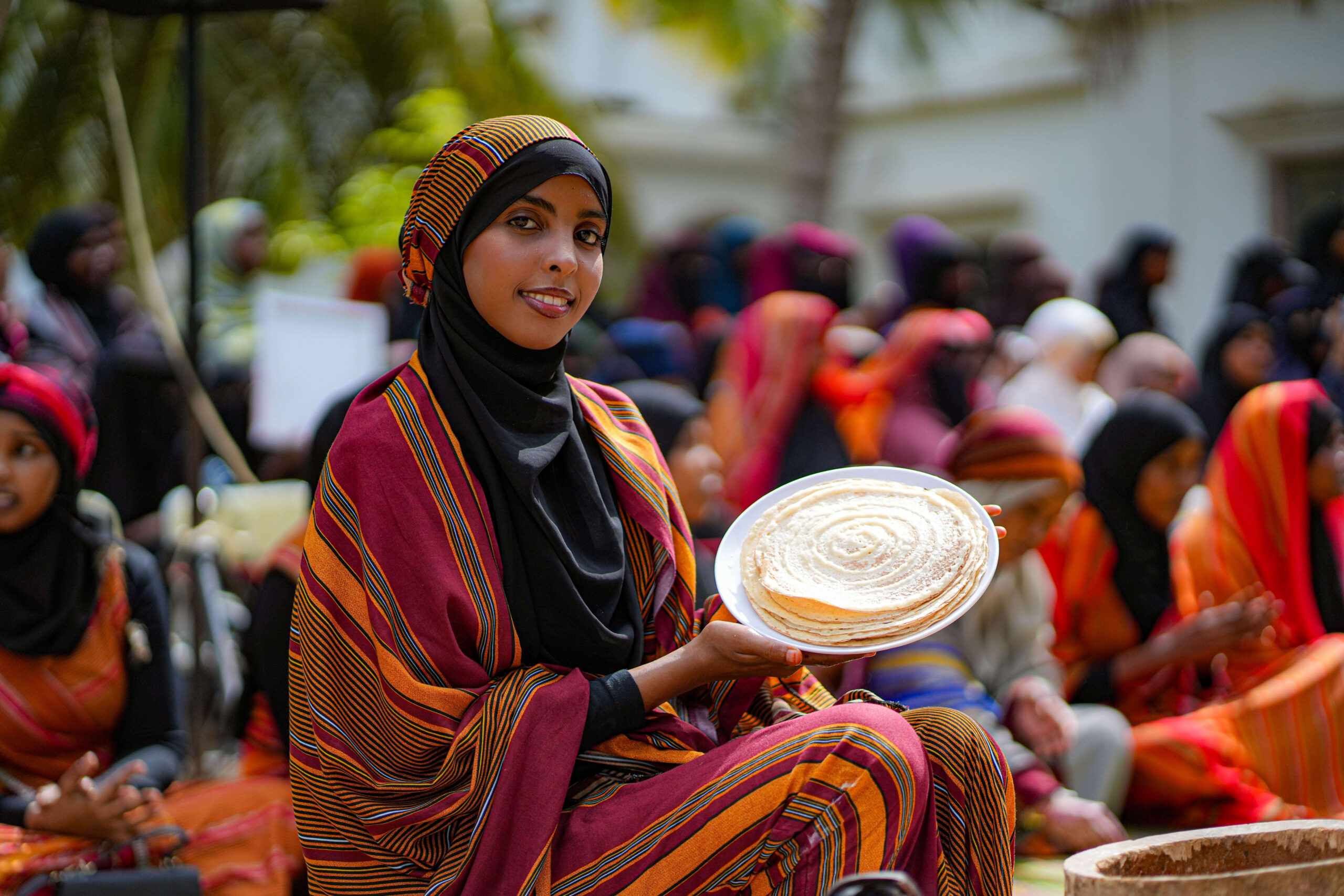
« These photos celebrate Somali canjeero, a traditional food that represents both healthy eating and cultural identity. Made from simple natural ingredients, canjeero is a nutritious choice enjoyed by many families as part of their daily meals. The images were taken during a cultural gathering where community members prepared and shared food while preserving traditional knowledge and customs.
The location is significant because it brings people together to celebrate heritage, strengthen social connections and pass traditions to younger generations. In modern urban life, canjeero continues to be an important part of everyday living, offering an affordable and healthy food option while maintaining a strong connection to Somali culture. These photographs tell a story of community, tradition and the enduring value of healthy local foods in contemporary society. »
Healthy half and half
Eskedar Tesfaye
📍 Addis Abeba, Ethiopia
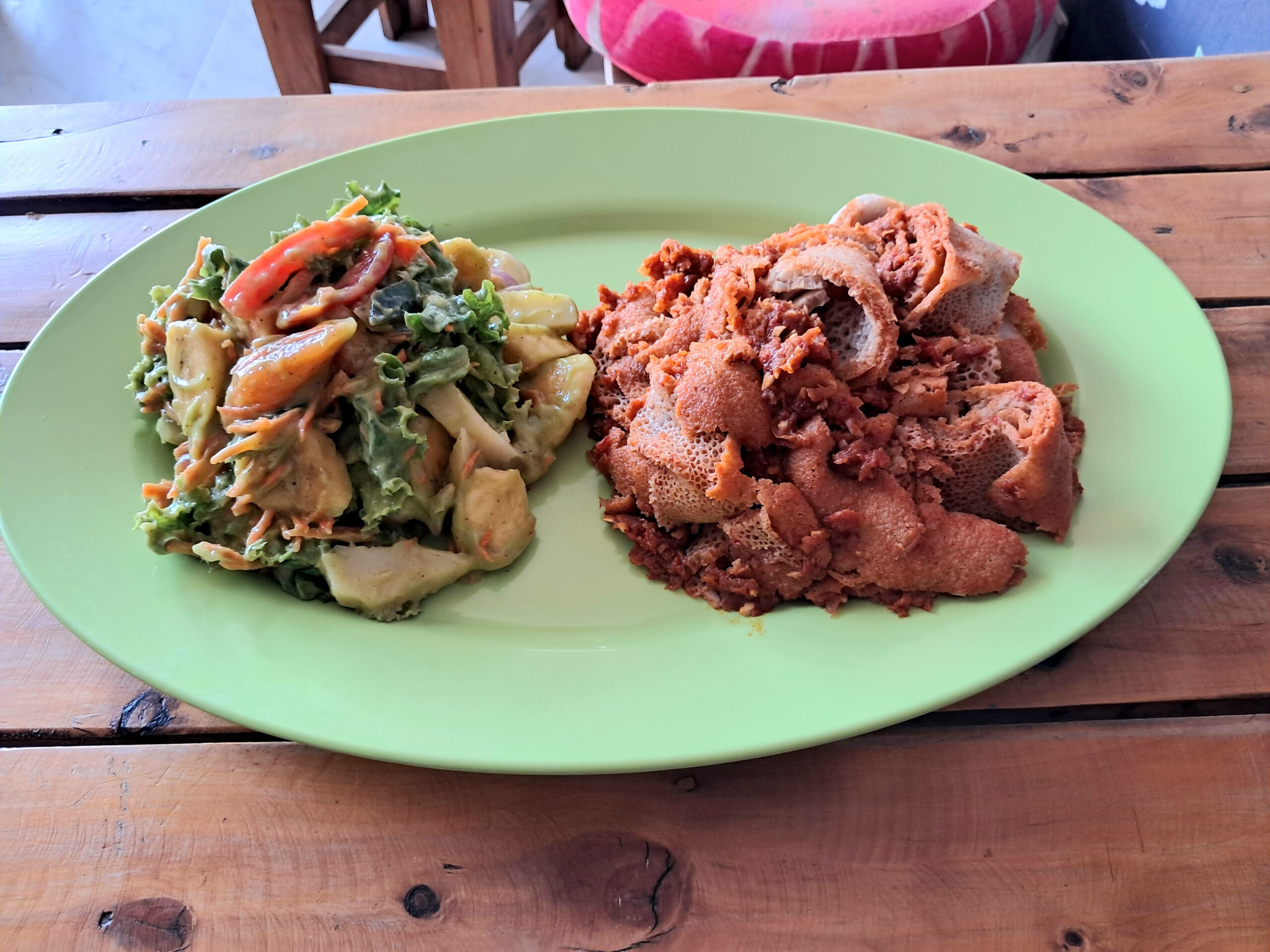
« I am a woman entrepreneur running a small juice bar and fruit house that promotes healthy eating through fresh, natural fruits and vegetables. The meal in this photo is our special ‘half-and-half’ plate, which combines fresh salad with injera firfir, a traditional Ethiopian food made from injera.
Injera is made from teff, a highly nutritious grain that is an important part of the Ethiopian diet. Since many Ethiopians prefer to eat injera daily, we created this balanced meal by serving half salad and half injera firfir. The salad contains fruits, vegetables and fish, providing essential nutrients for a healthy lifestyle.
Our main customers are university students, bank employees and people passing by. We keep our prices affordable and offer discounts for students. Located beside a busy road, we are easily accessible and also provide delivery services for customers on foot or by car, making healthy food convenient for our community. »
Where dagaa sustains life
Ibrahim Otieno
📍 Goma, DRC
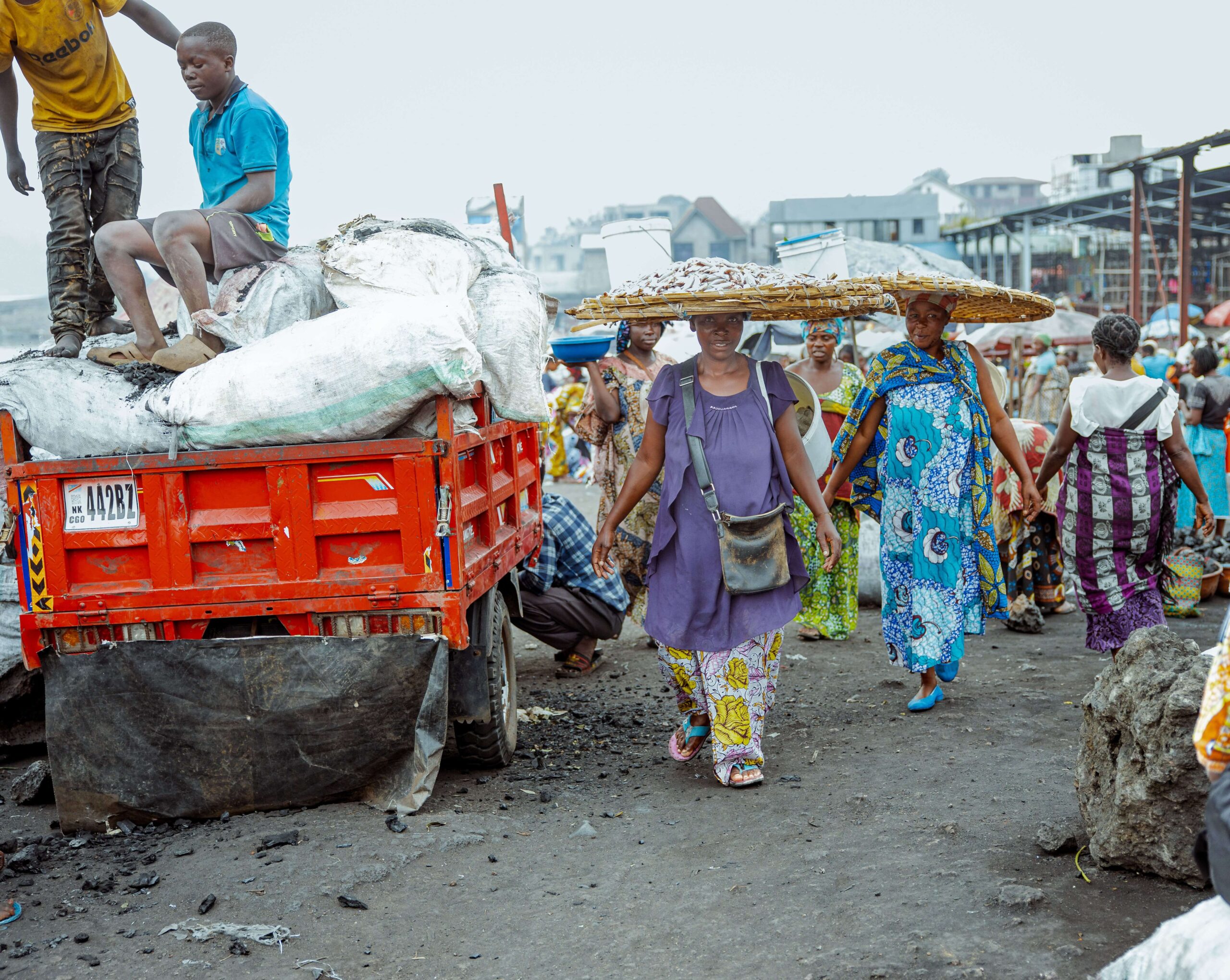
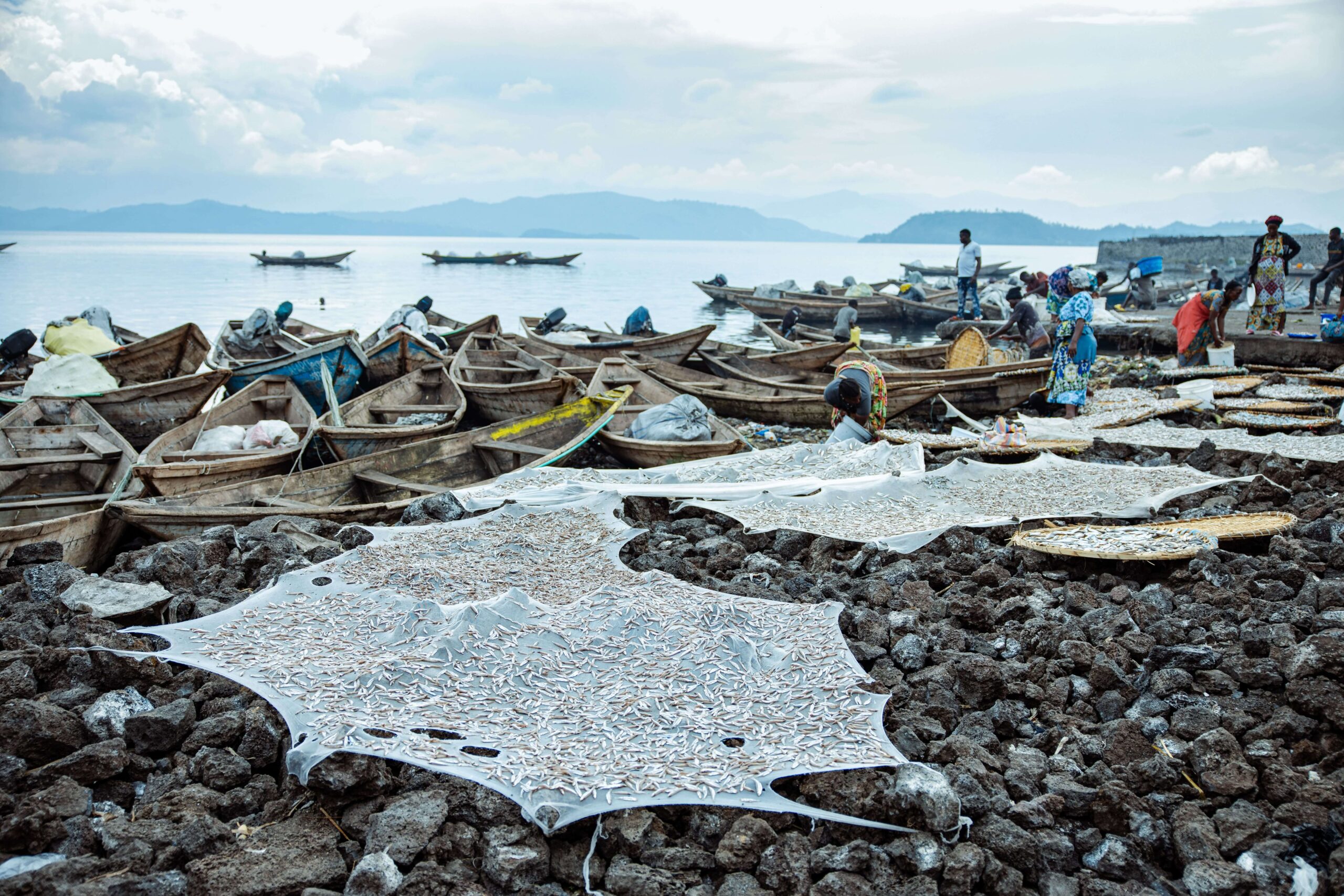
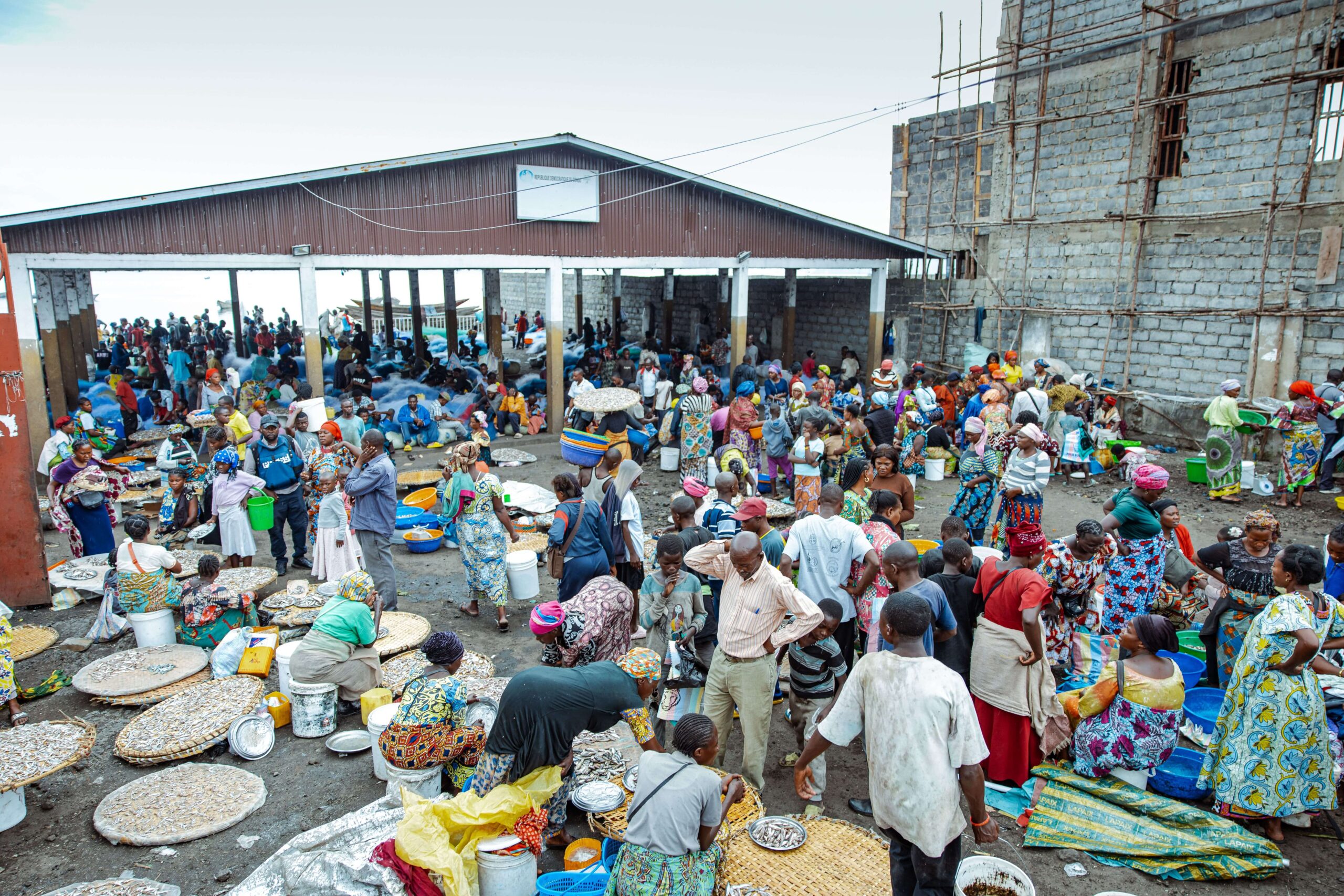
« This photograph documents the bustling dagaa market in Goma, Democratic Republic of Congo, where thousands of people gather around one of Lake Kivu’s most important resources. Known locally as sambaza or ndakala, these small sardine-like fish provide an affordable source of protein for countless families while supporting the livelihoods of fishers, traders, transporters, and vendors.
The crowded scene reflects more than a marketplace; it represents a vital economic ecosystem that sustains communities in a region affected by decades of conflict and instability. The woven trays covered with freshly harvested fish, the vibrant clothing of traders, and the constant movement of people illustrate the resilience, determination, and interdependence of the local population.
By capturing this moment from a wide perspective, the image highlights how a simple natural resource can become a foundation for food security, employment, and community survival. It is a visual testament to the strength of ordinary people who continue to build livelihoods and support their families despite challenging circumstances. »
History in a cup. Kahawa (coffee) by the ocean
Qamili Dave
📍 Mombasa, Kenya
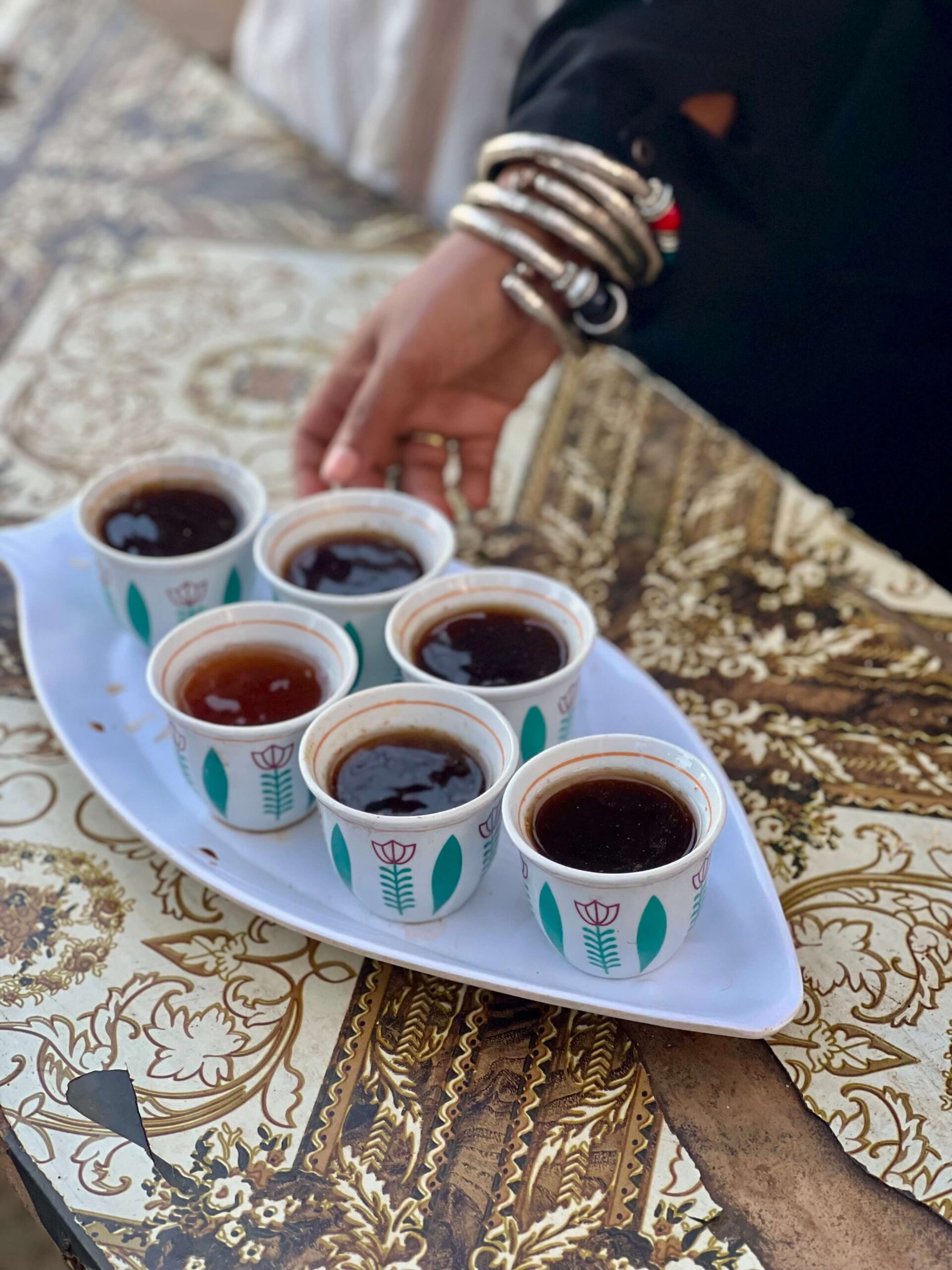
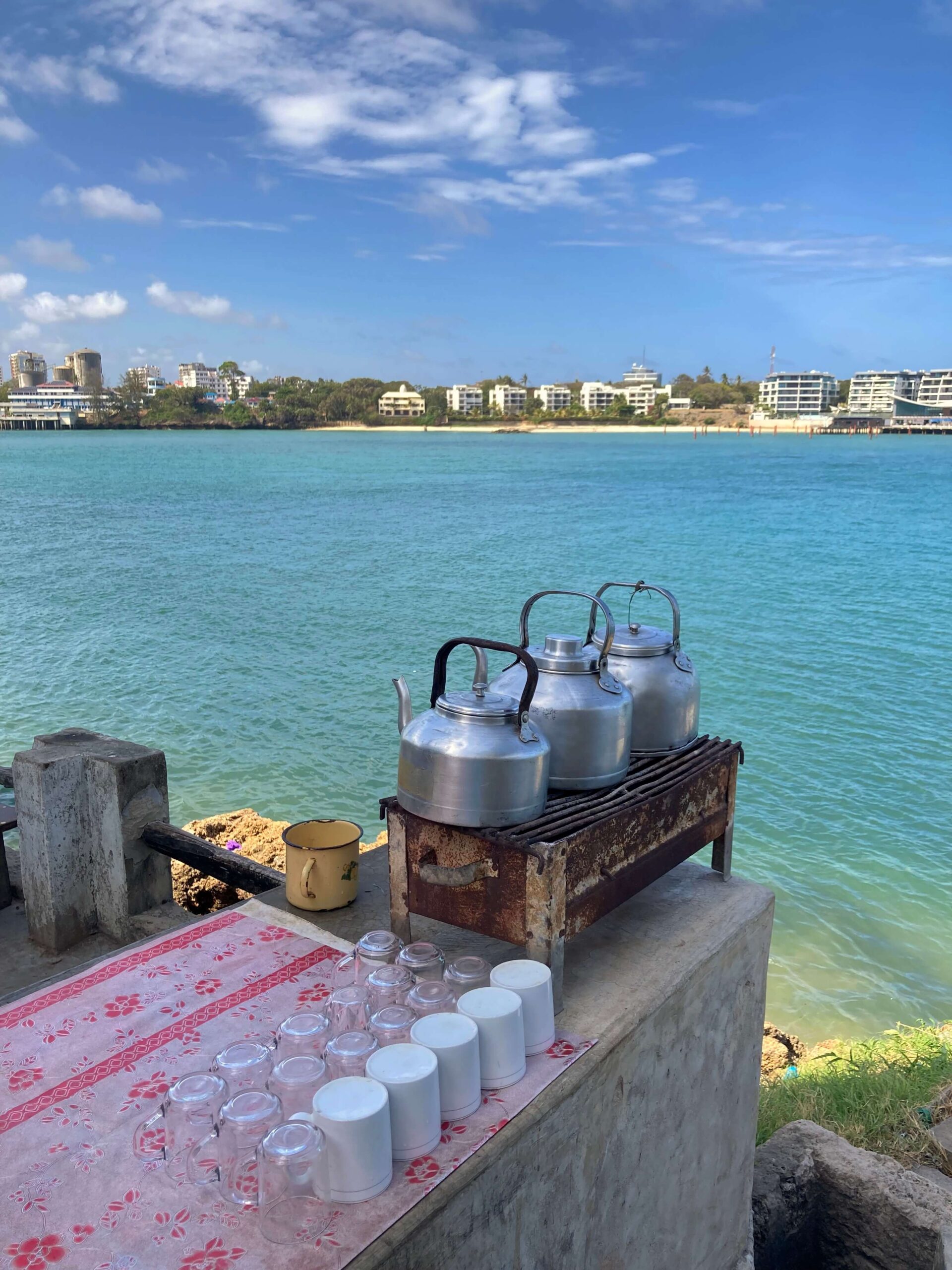
« A family recipe that has been passed down over 45 years. ‘Kahawa Chungu‘ (spiced coffee) has been bringing people together for decades. This warm, aromatic drink blends coffee with ginger, cinnamon, and cardamom, creating a rich flavor loved along the Kenyan coast.
In Mombasa, as the sun begins to set, locals gather by the ocean with friends and family, sharing stories over a cup of kahawa. More than just a drink, it is a symbol of community and connection. The carefully selected spices not only enhance its taste but are also known for their wellness benefits—many believe a strong cup with extra ginger can help soothe a cold.
Enjoying Kahawa Chungu by the sea encourages you to slow down, savor the flavors, appreciate the view, and connect with the community around you. »

From farm to family: A daily ritual in Kericho
Frederick Dharshie Wissah
@dharshiephotography | dharshie.com/portfolio
📍 Kericho, Kenya
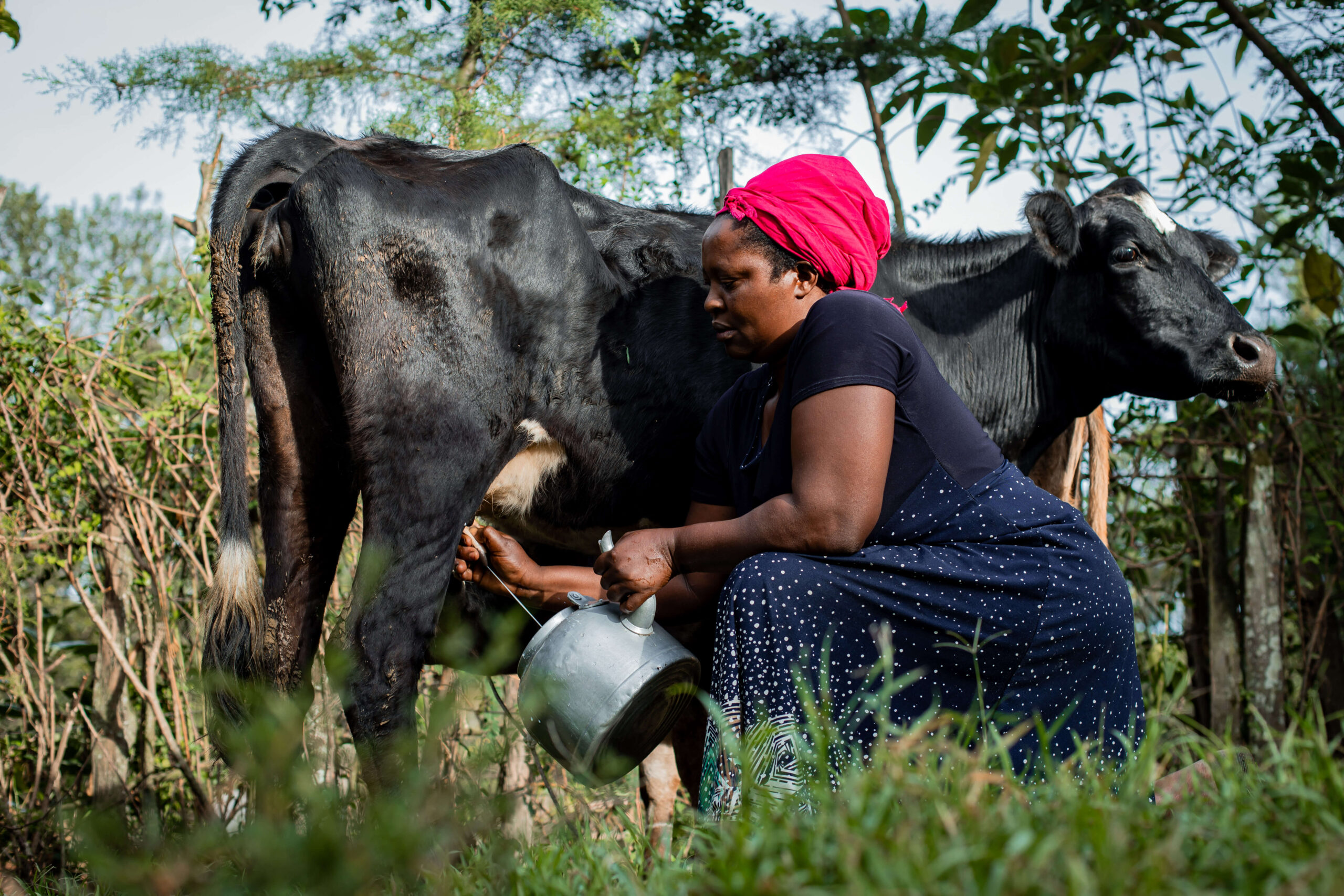
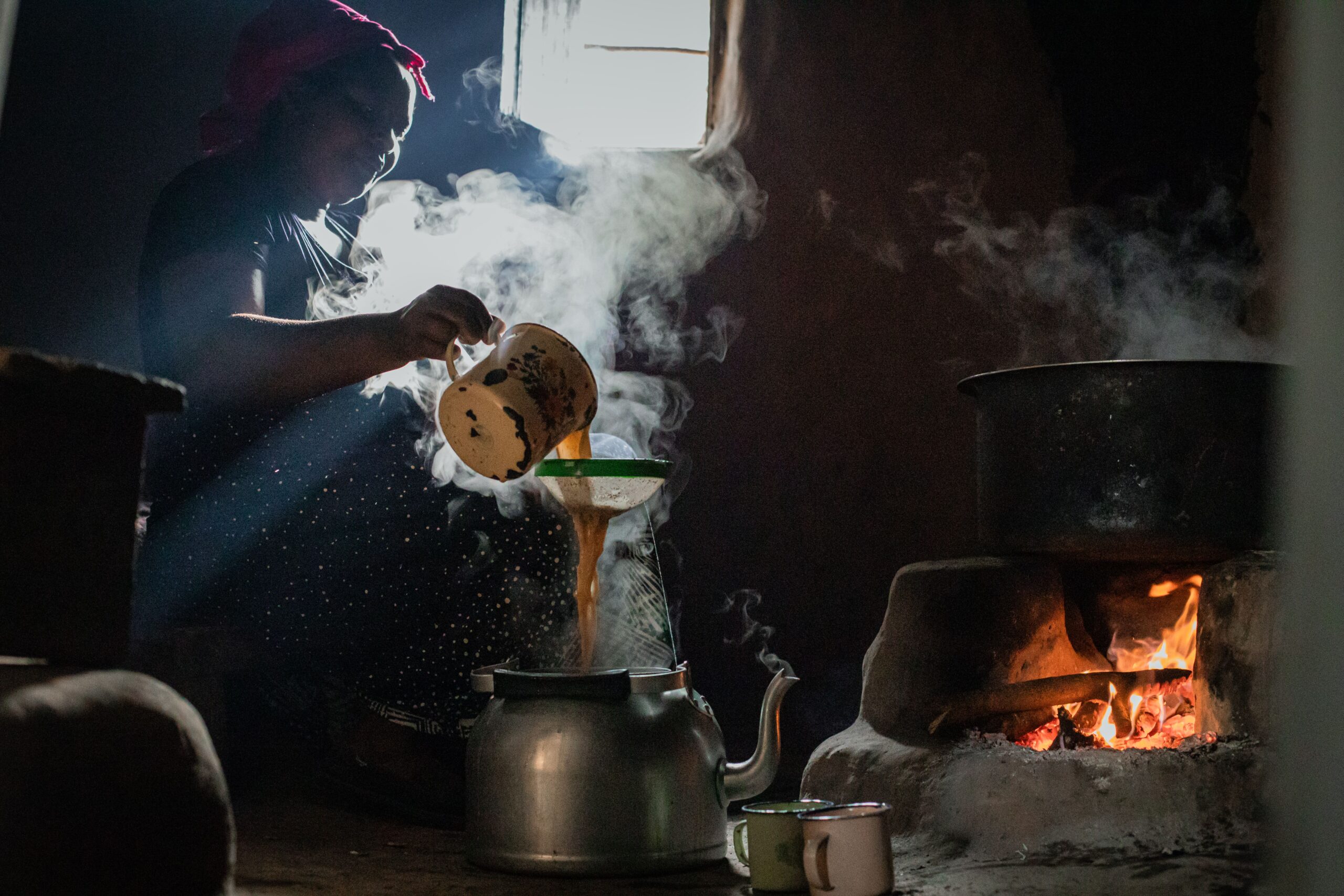
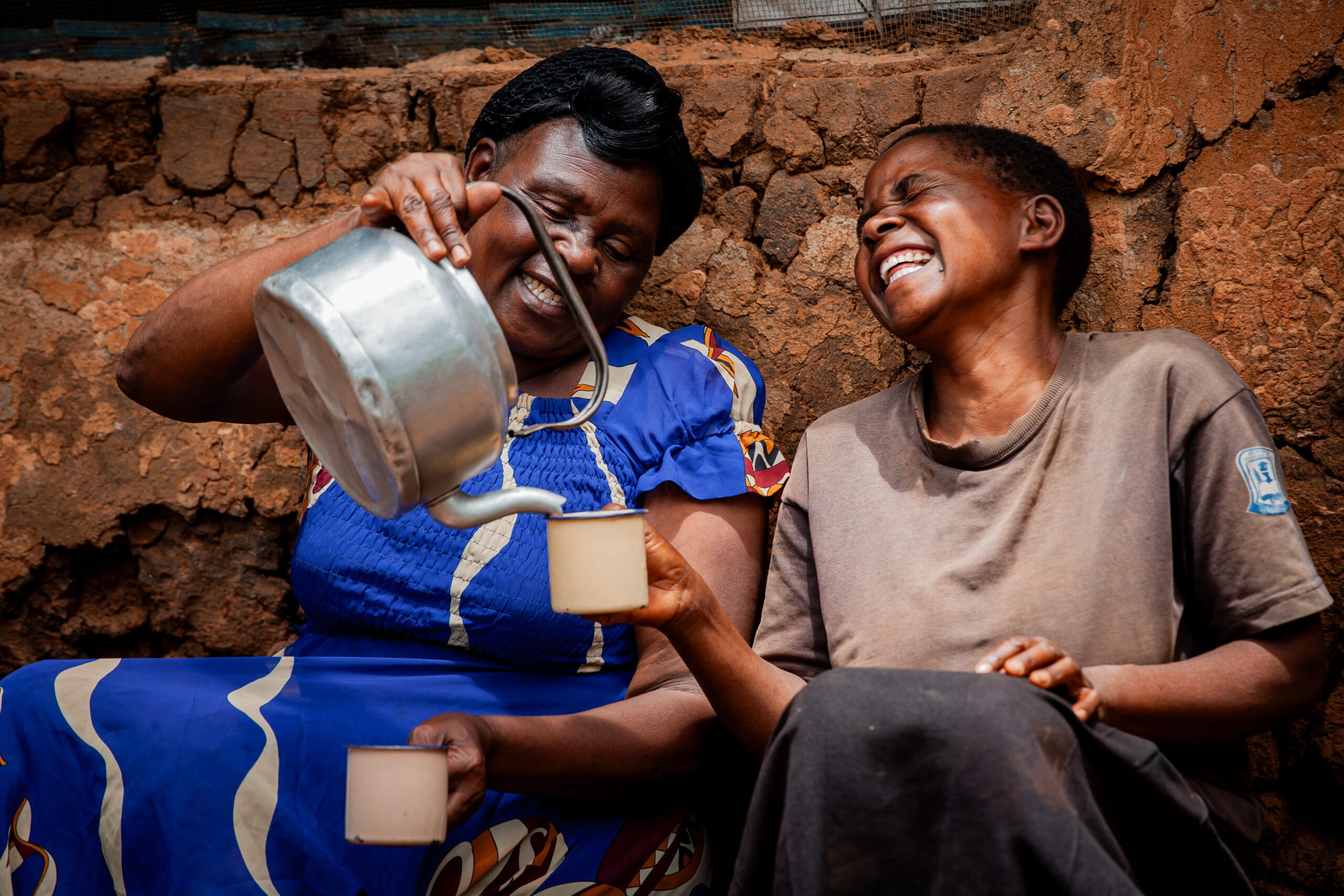
« In Kericho, Kenya, fresh milk remains an important part of daily nutrition and household life. This photo series follows its journey from source to table. In the first image, a woman milks her cow in a small-scale farm setting, demonstrating how families produce nutritious food close to home. The second image captures the preparation of the milk over a traditional stove, where generations of knowledge transform a raw product into a safe and nourishing drink. The final image shows a shared moment between family members enjoying tea made with the fresh milk.
Milk provides essential nutrients, including protein and calcium, making it a valuable component of a healthy diet. These photographs highlight how local food production, home preparation, and family consumption are interconnected. Together, they tell a story of resilience, self-reliance and community, illustrating how healthy food remains woven into the everyday rhythms of urban life in Kericho. »
My food, my health, my city
Evans Ndebi
📍 Nairobi, Kenya
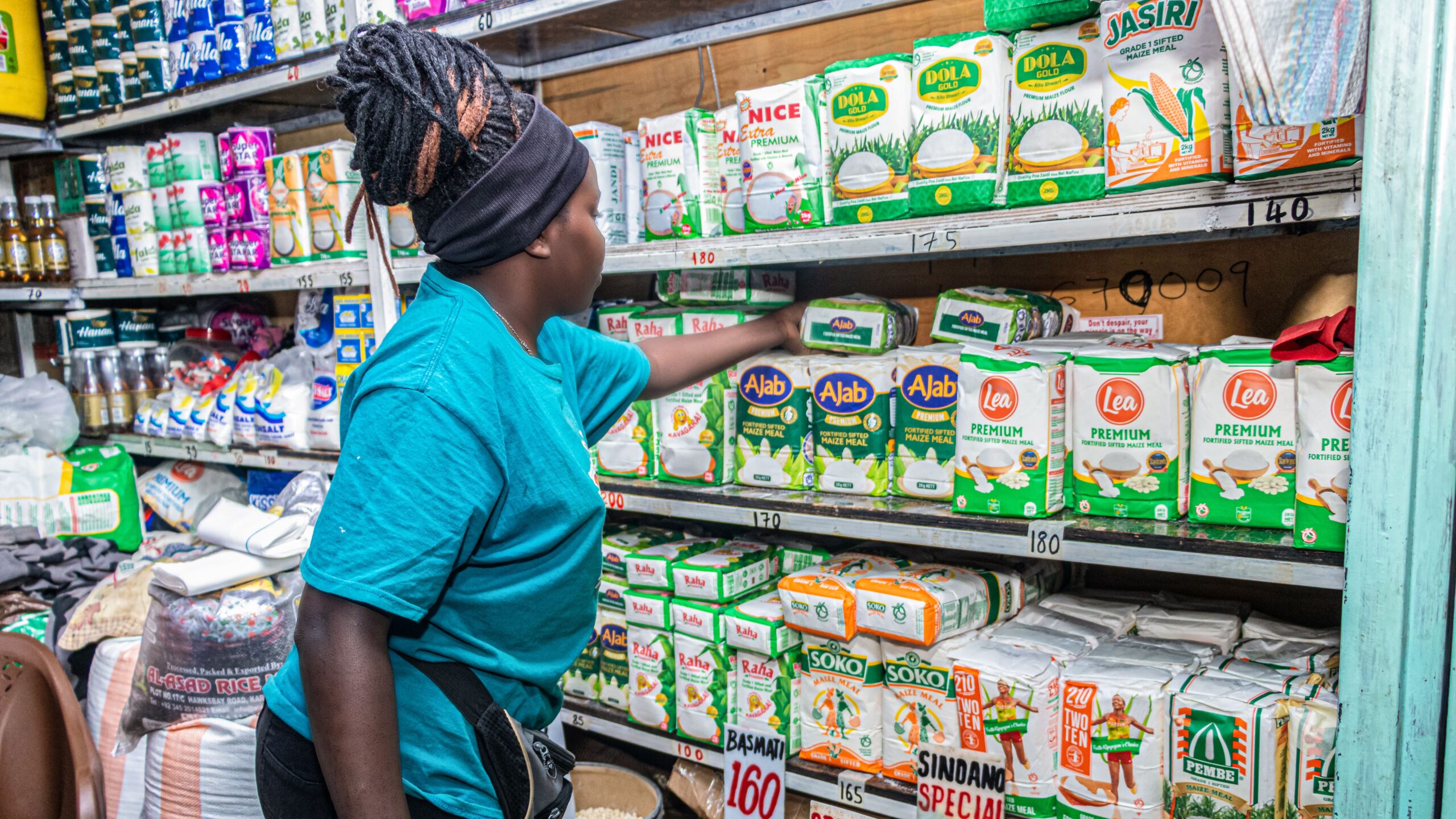
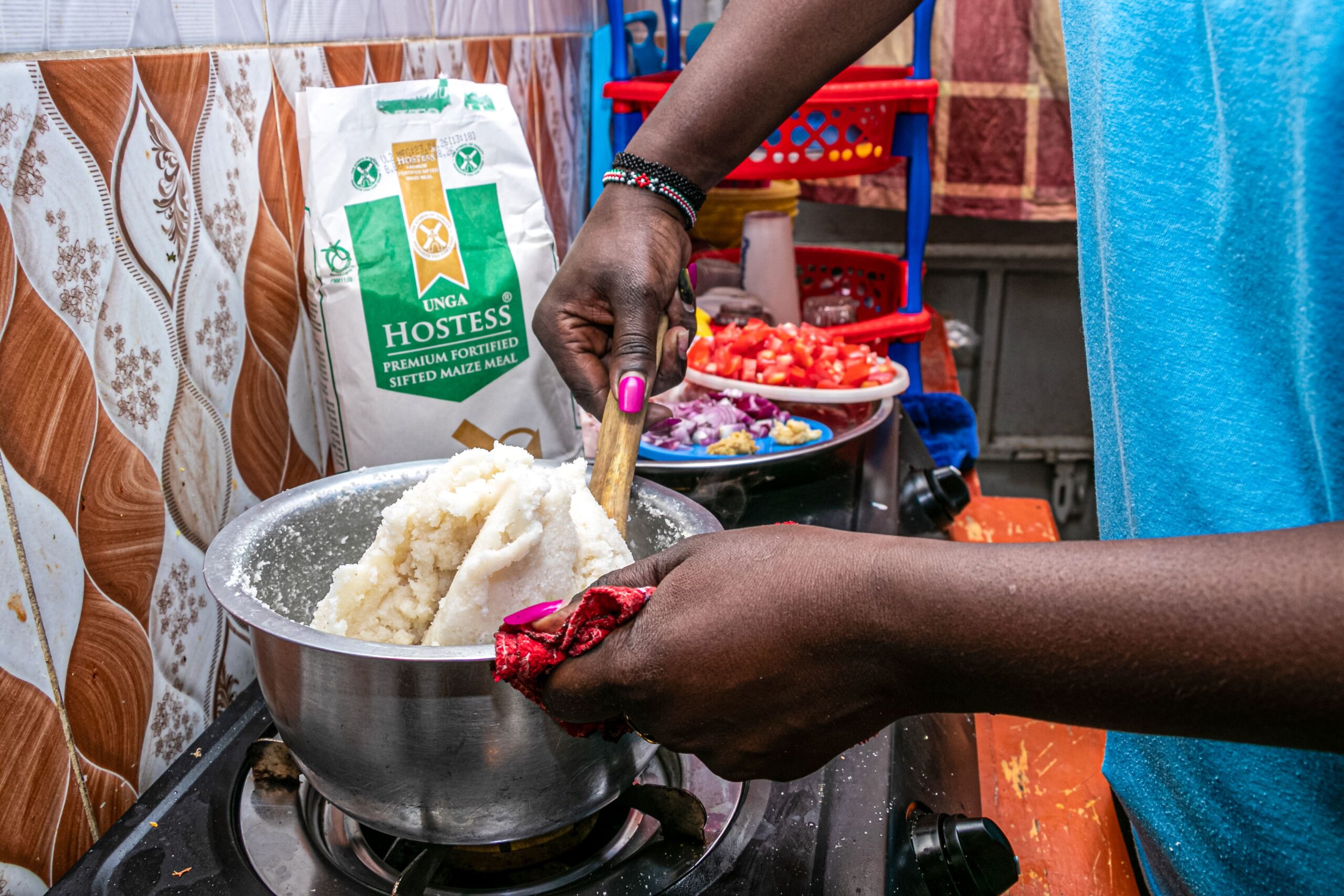
« Everything begins in a small-scale shop (duka). A young lady is seen picking her ingredients from a shelf. Then it all shifts from the shop to the kitchen, where we see maize flour. In the background, we see greens, chopped onions and tomatoes.
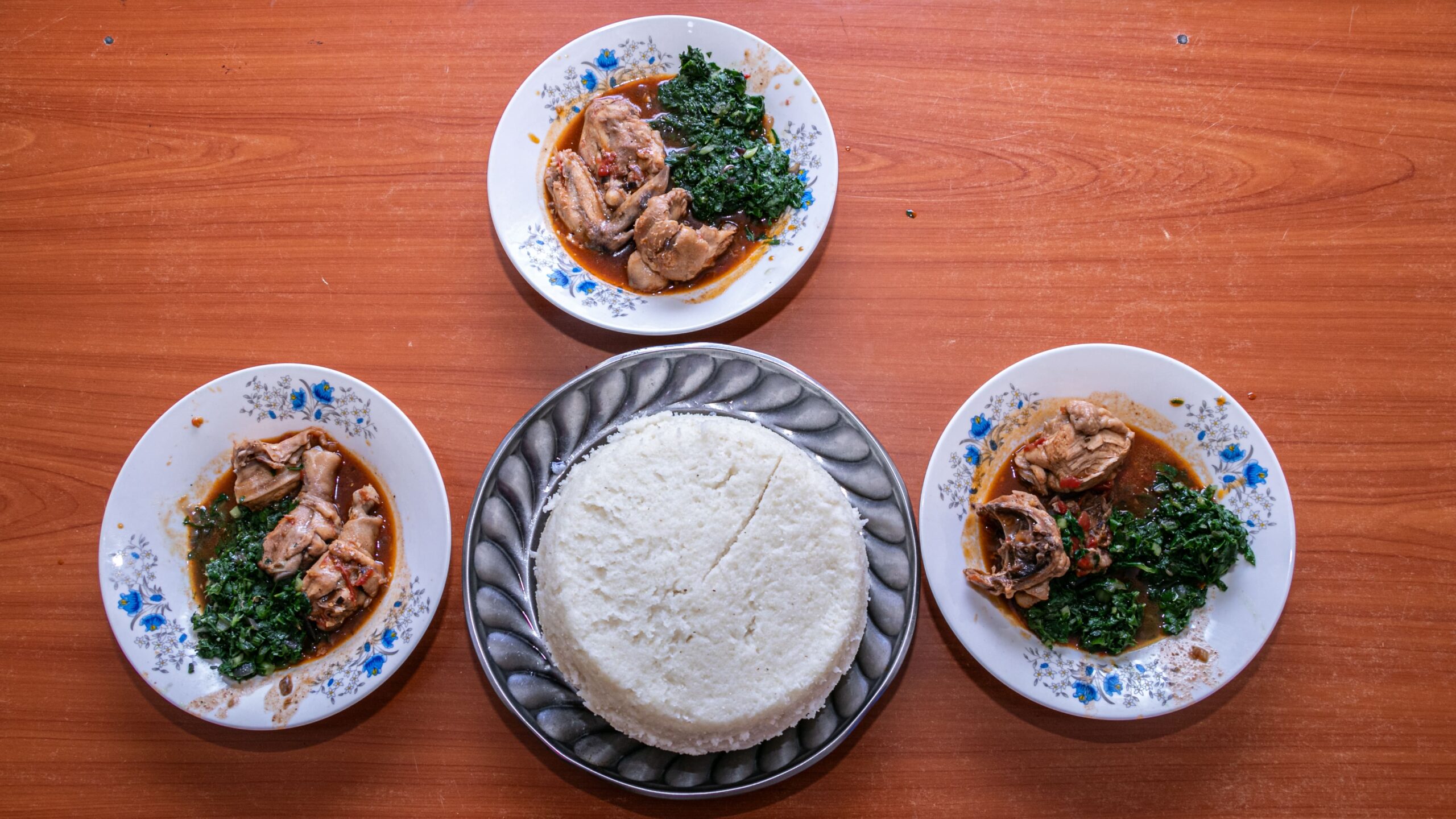
These images perfectly show how large-scale agricultural supply chains are embraced by small to medium enterprises. They help urban families eat on a day-to-day basis. The third image shows a balanced diet on a plate. We can see chicken (kuku), rich in protein; greens (sukuma wiki), rich in vitamins A, C and K; and finally ugali, which is a source of energy. Ugali is a low-fat carbohydrate. Now, the last image shows the climax of the whole journey, from market to kitchen and now to a good feast, with ugali in the middle, ready to be divided. »
Fresh food, fast cities
Miracle Udile
📍 Abuja FCT, Nigeria
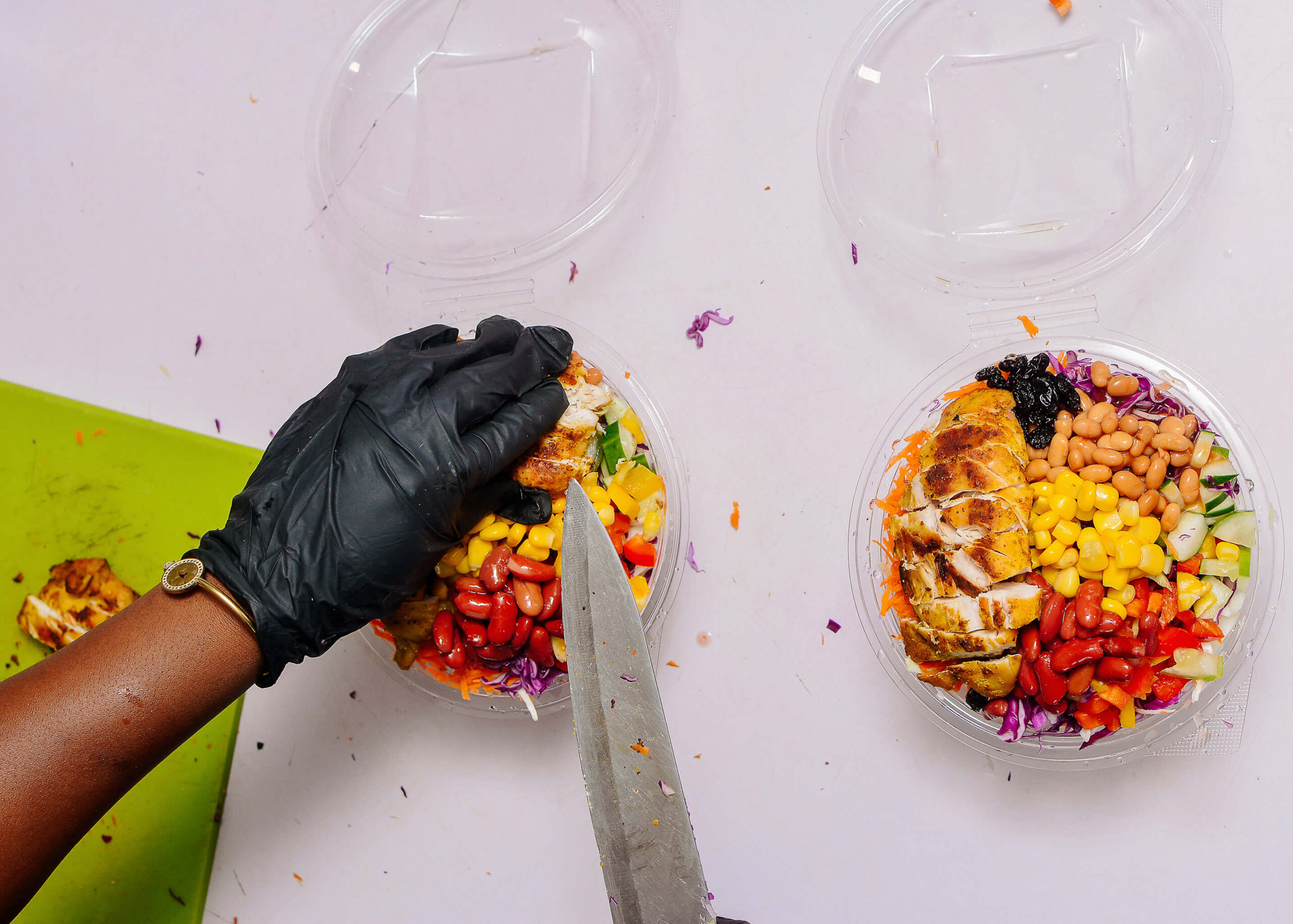
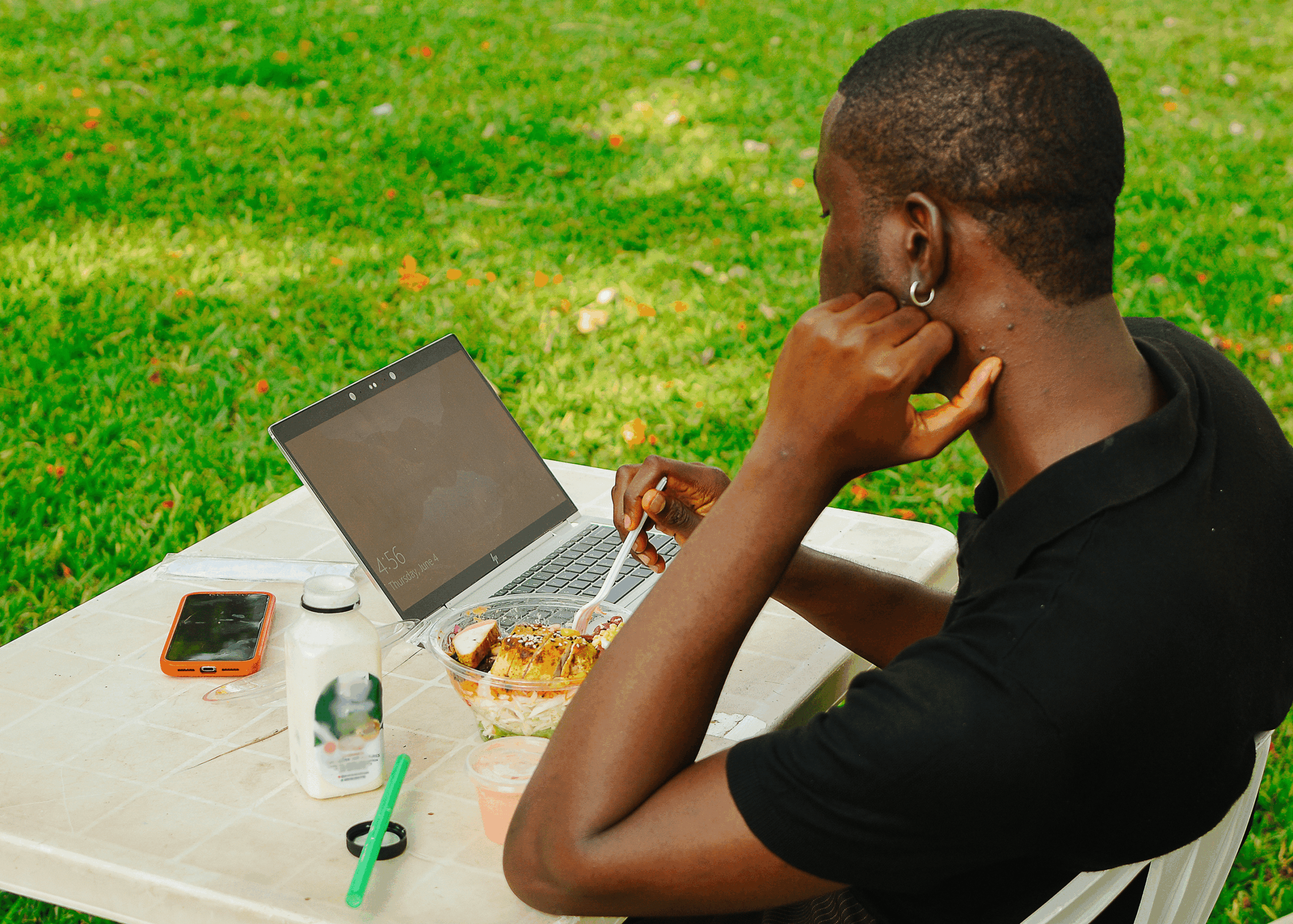
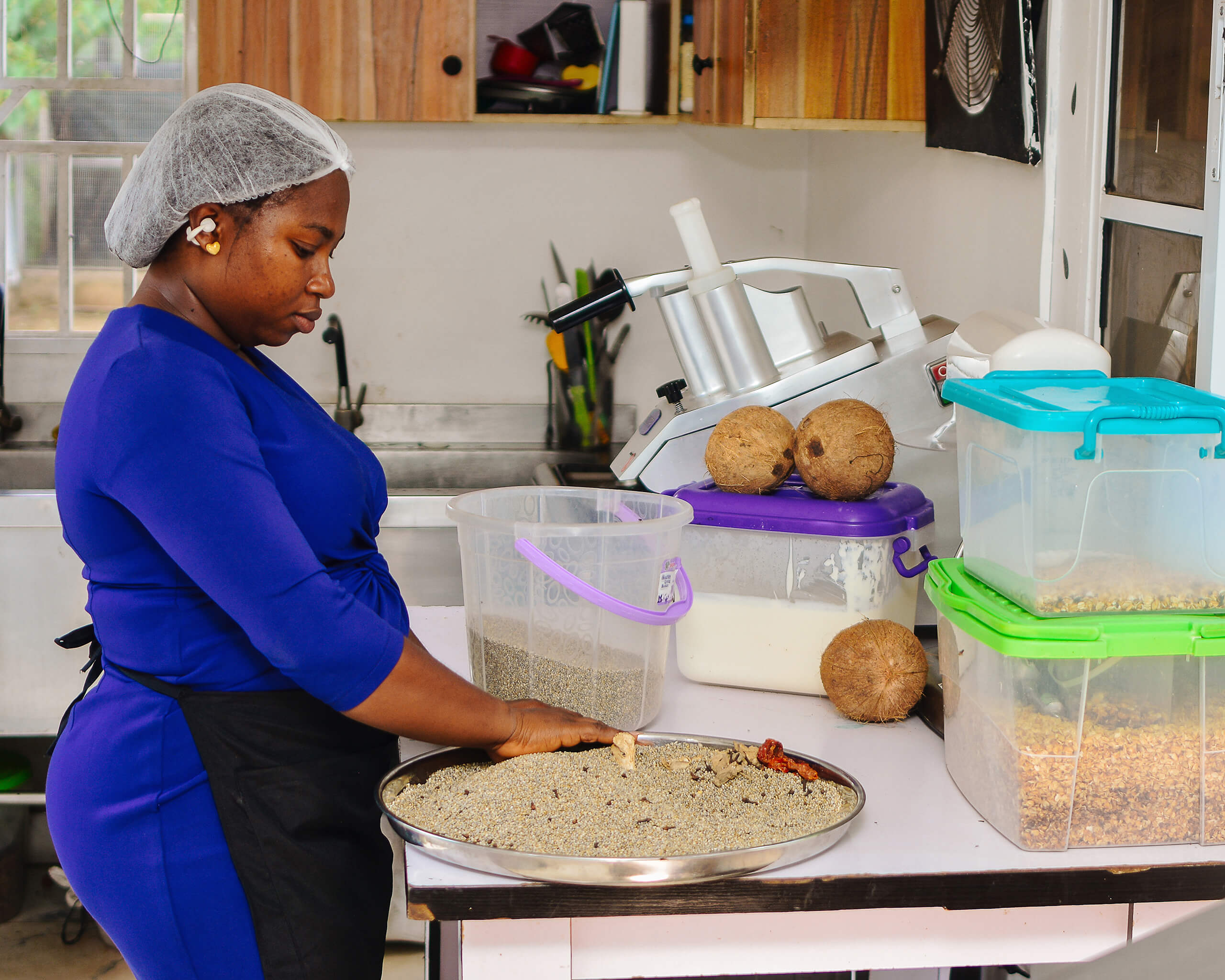
« Abuja is driven by a massive youth population of over 2.2 million people, from tech professionals to gym enthusiasts, actively seeking healthier food alternatives. This photo series spotlights Melvina Ugochukwu, founder of Pomovina Fresh, an unsung food hero transforming the urban food system.
What began in Melvina’s home kitchen has evolved into a sustainable enterprise employing over ten youth workers. In a strictly controlled, hygienic environment, her team prepares everything from scratch. Delivering over 50 nutritious plates of salads and fresh yogurts daily, Pomovina Fresh provides a seamless, healthy alternative to highly processed fast food.
Accessible directly in the heart of the city’s commercial district, this local hub fits perfectly into everyday urban life; she carries out deliveries, bringing the food directly to customers. Melvina proves that fueling a rapid workforce on the go does not mean compromising on a healthy future. »
Tea as the social lubricant
Ashiq Amien
📍 Cape Town, South Africa
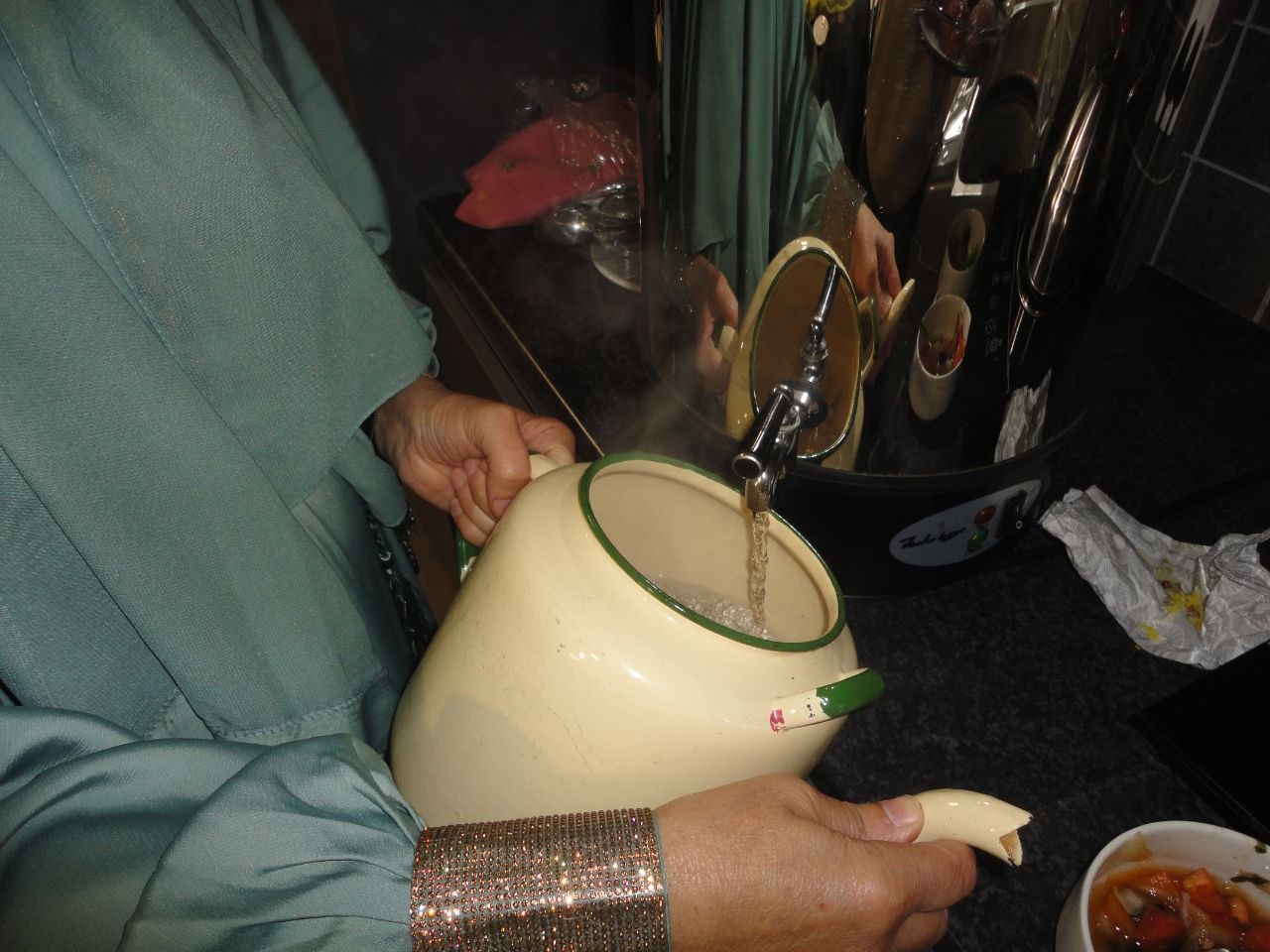
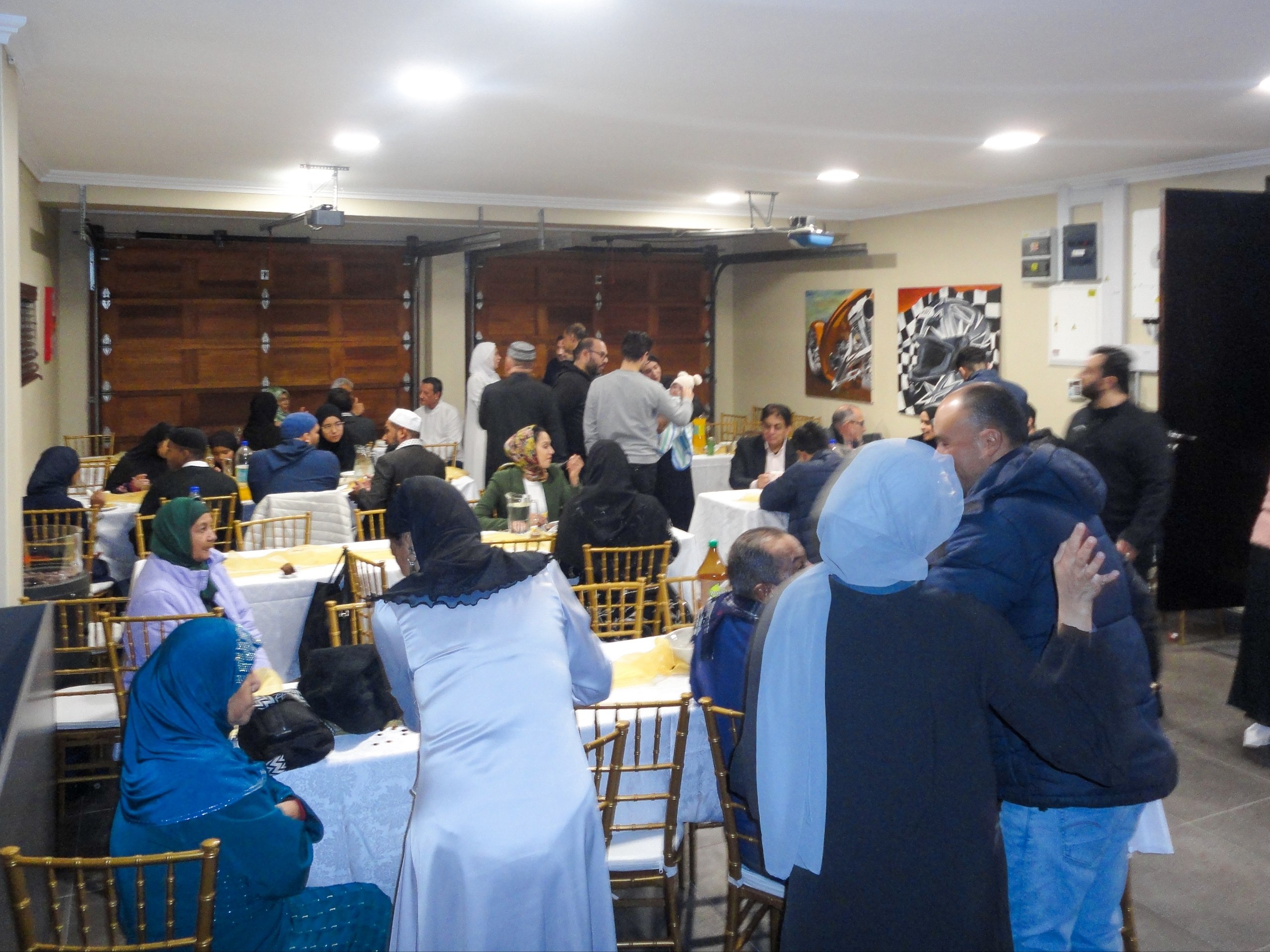
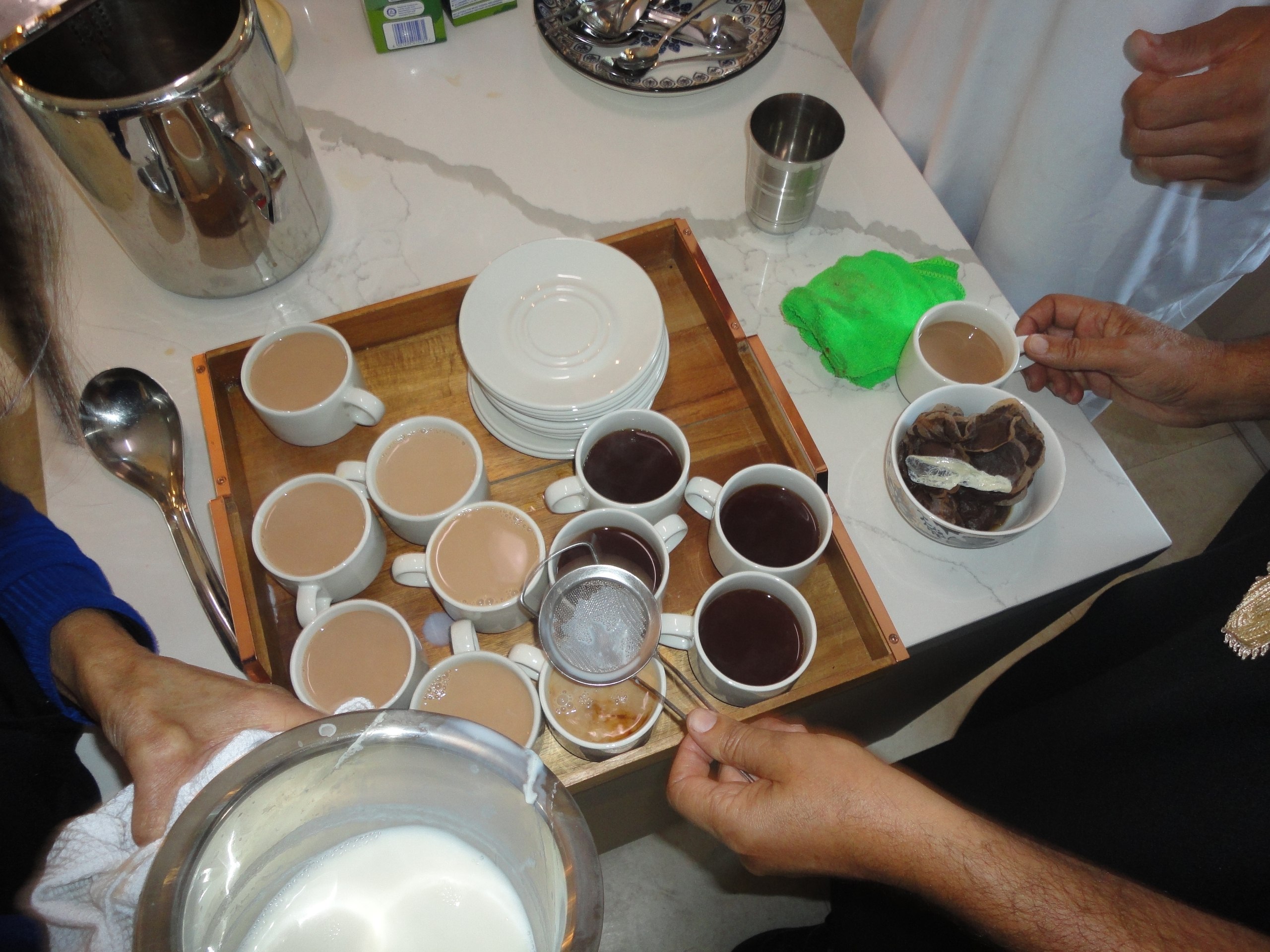
« In Cape Malay households, tea is often at the centre of social gatherings, from casual visits to larger family occasions. Unlike many urban social settings where alcohol is common, tea offers an affordable and healthier way for people of all ages to gather and connect. Here, tea is prepared throughout the week for visitors coming to greet pilgrims before they leave for Hajj. Many litres are brewed and shared, turning a simple everyday drink into an expression of hospitality, community and wellbeing. These visits are a distinctive Cape Town tradition, particularly within the city’s Cape Malay community. »
From harvest to home
Frederick Dharshie Wissah
@dharshiephotography | dharshie.com/portfolio
📍 Nairobi, Kenya
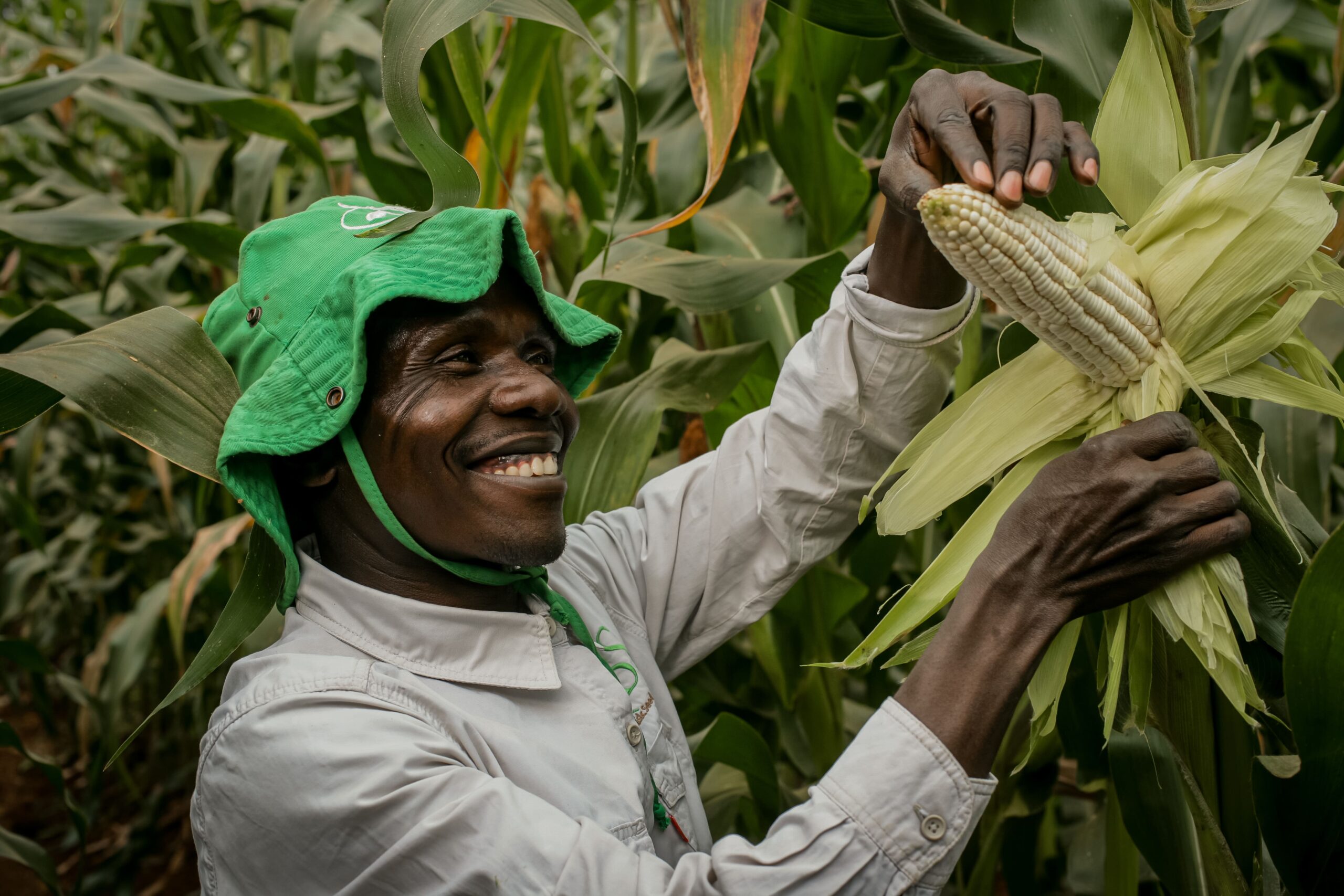
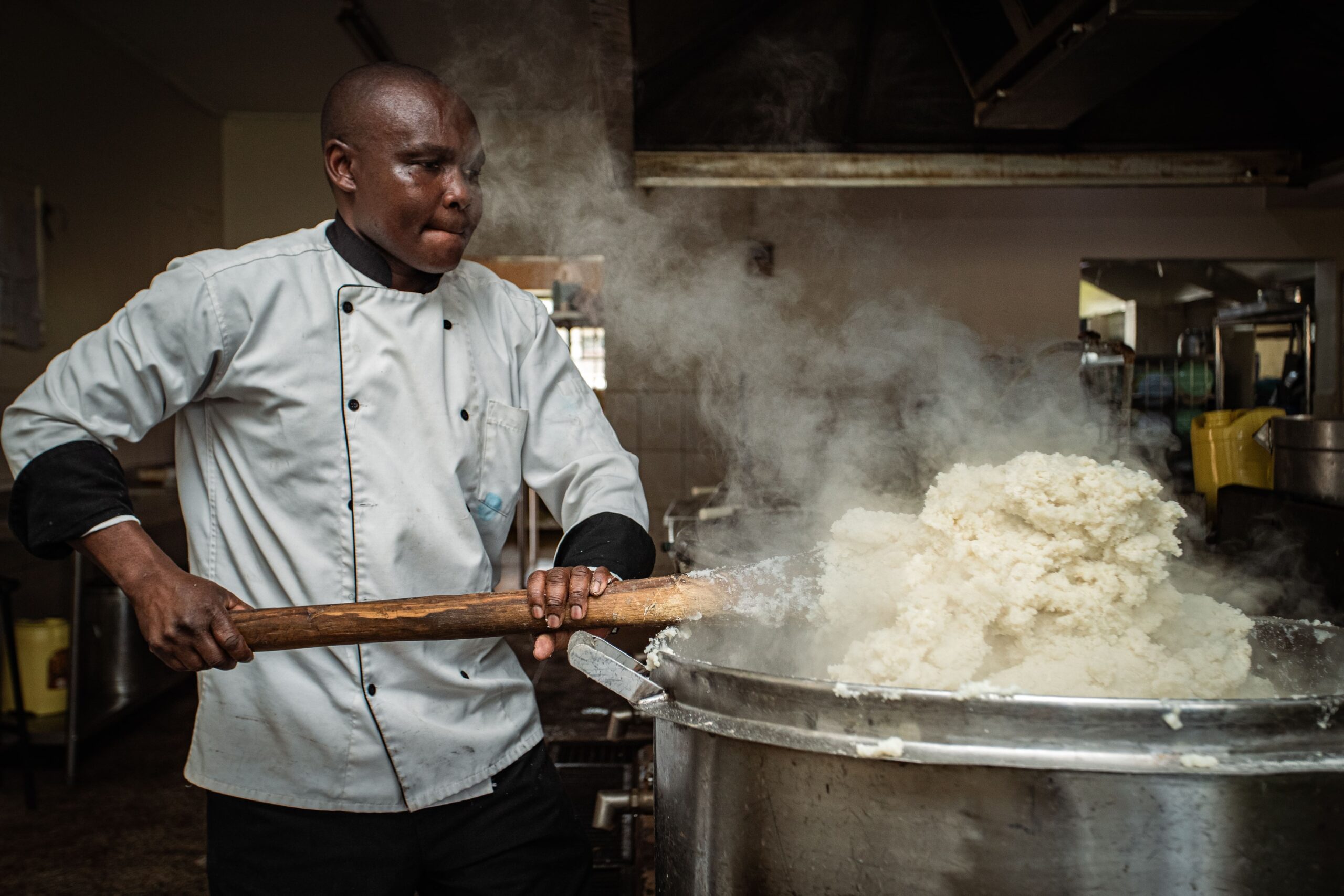
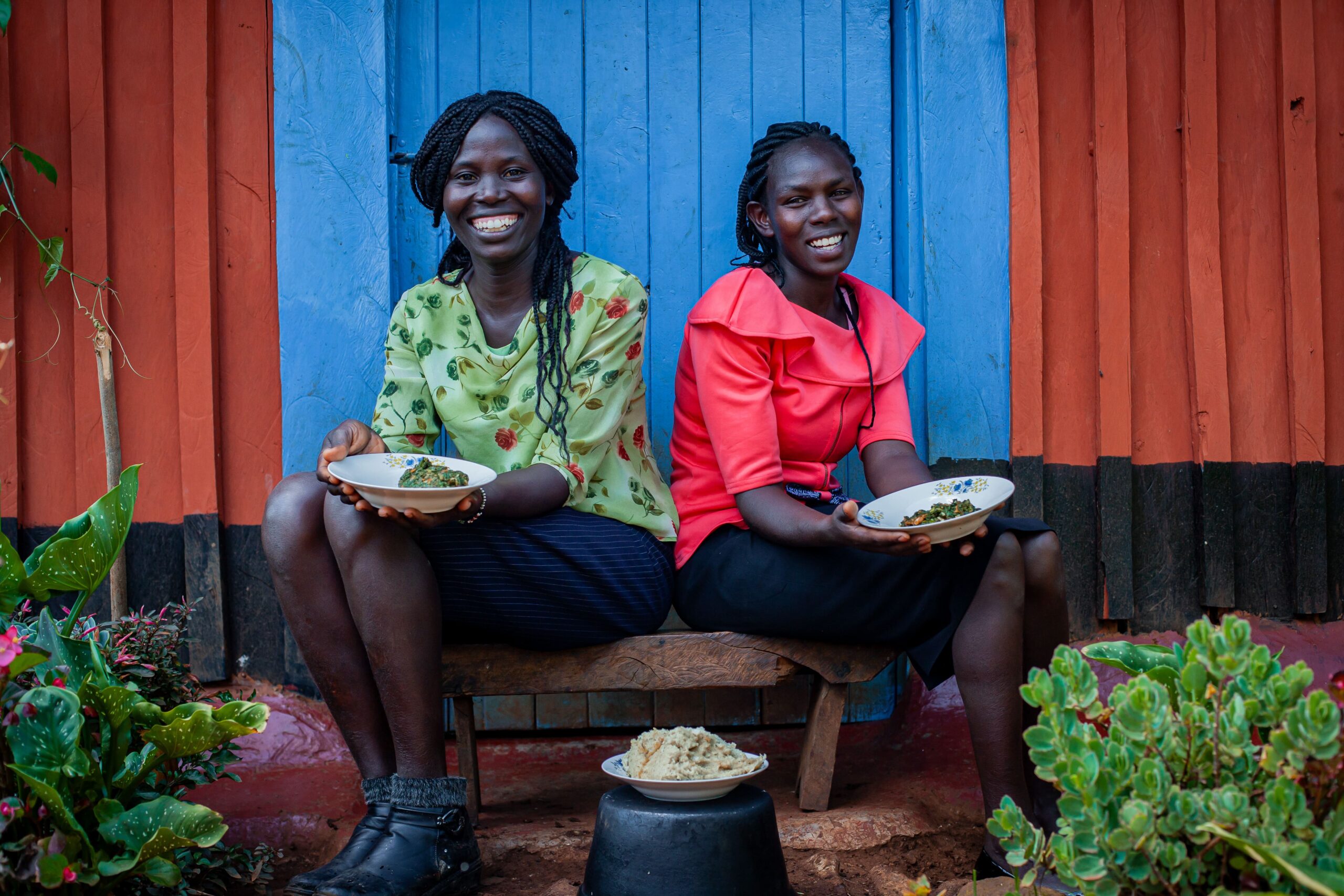
« This photo story follows maize on its journey from harvest to the table, highlighting a staple food that nourishes countless urban households across Kenya. The first image shows a farmer harvesting fresh maize, the foundation of a food system that supports both livelihoods and nutrition. The second captures a chef preparing steaming ugali, Kenya’s beloved maize meal and a daily source of energy for millions. The final image shows two women sharing a meal of ugali and vegetables outside their home, reflecting the social importance of food in everyday life.
Ugali remains a healthy and accessible food choice because it is affordable, locally produced, and commonly paired with nutrient-rich vegetables. The home setting represents a familiar urban space where families gather to eat, connect, and sustain themselves. Together, these images celebrate the journey of maize from farm to kitchen to table, revealing how a simple staple continues to shape daily life, culture, and food security in Kenyan cities. »
Soumala
Rokiatou Cissé
📍 Bamako, Mali
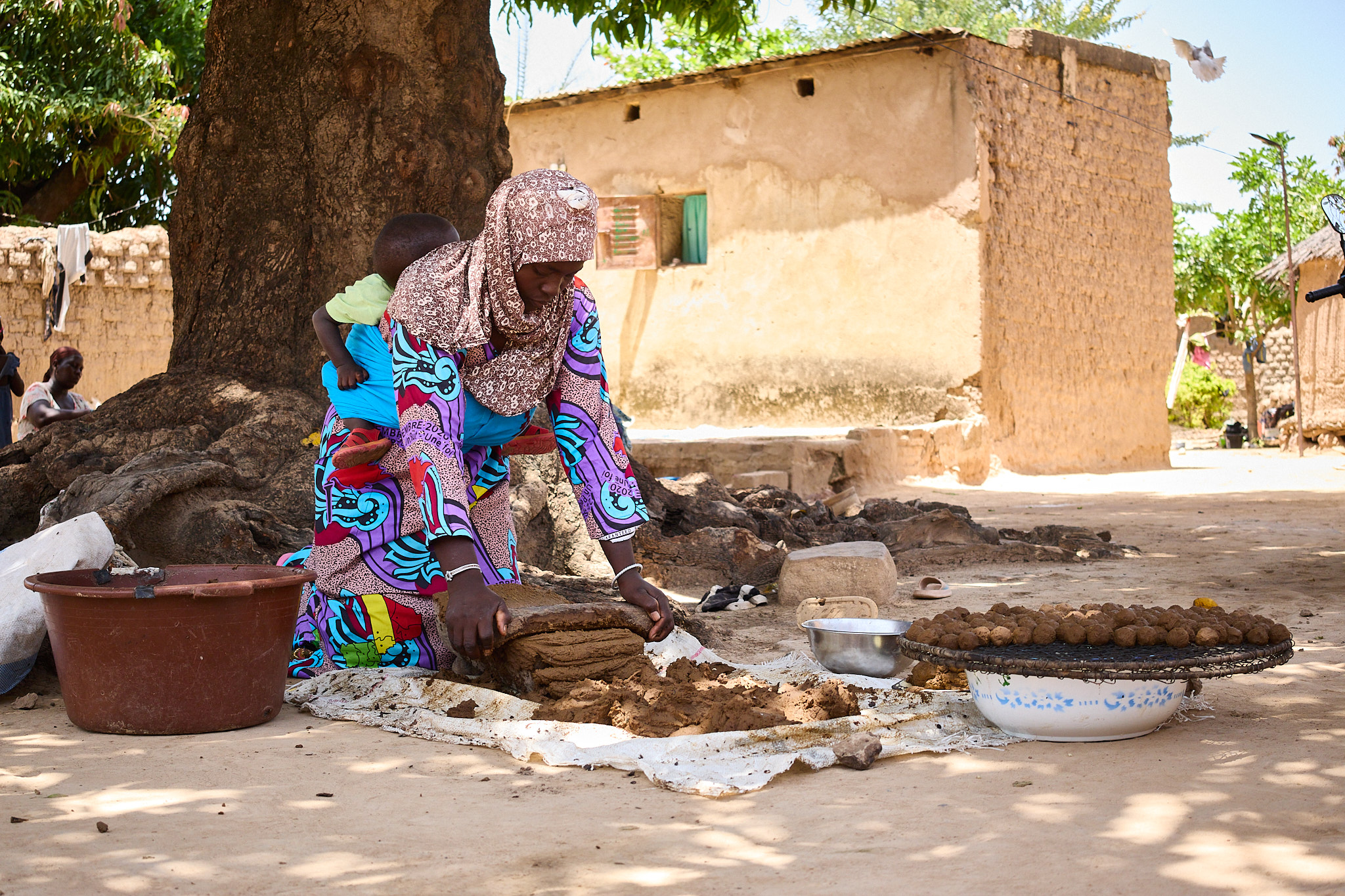
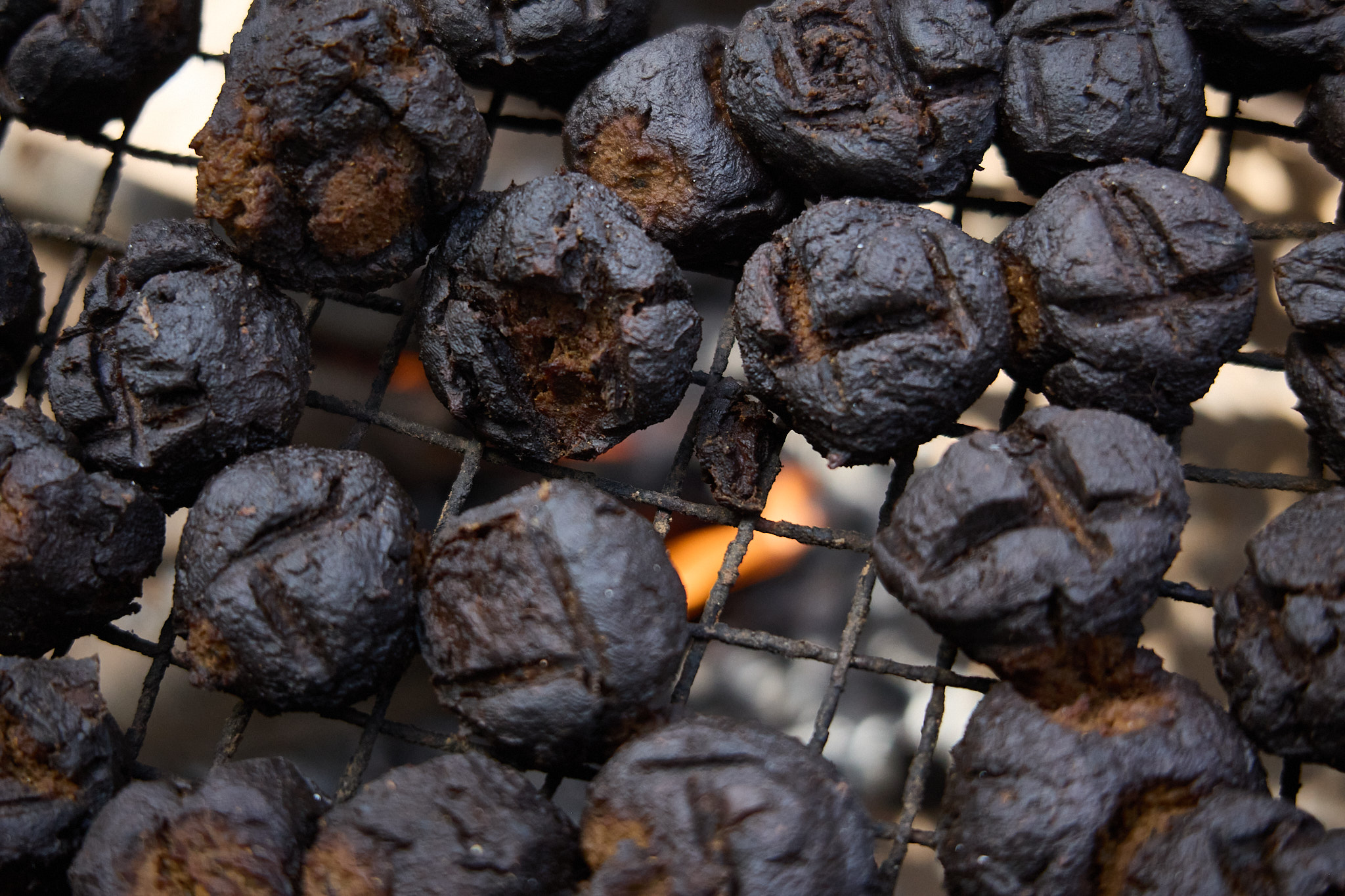
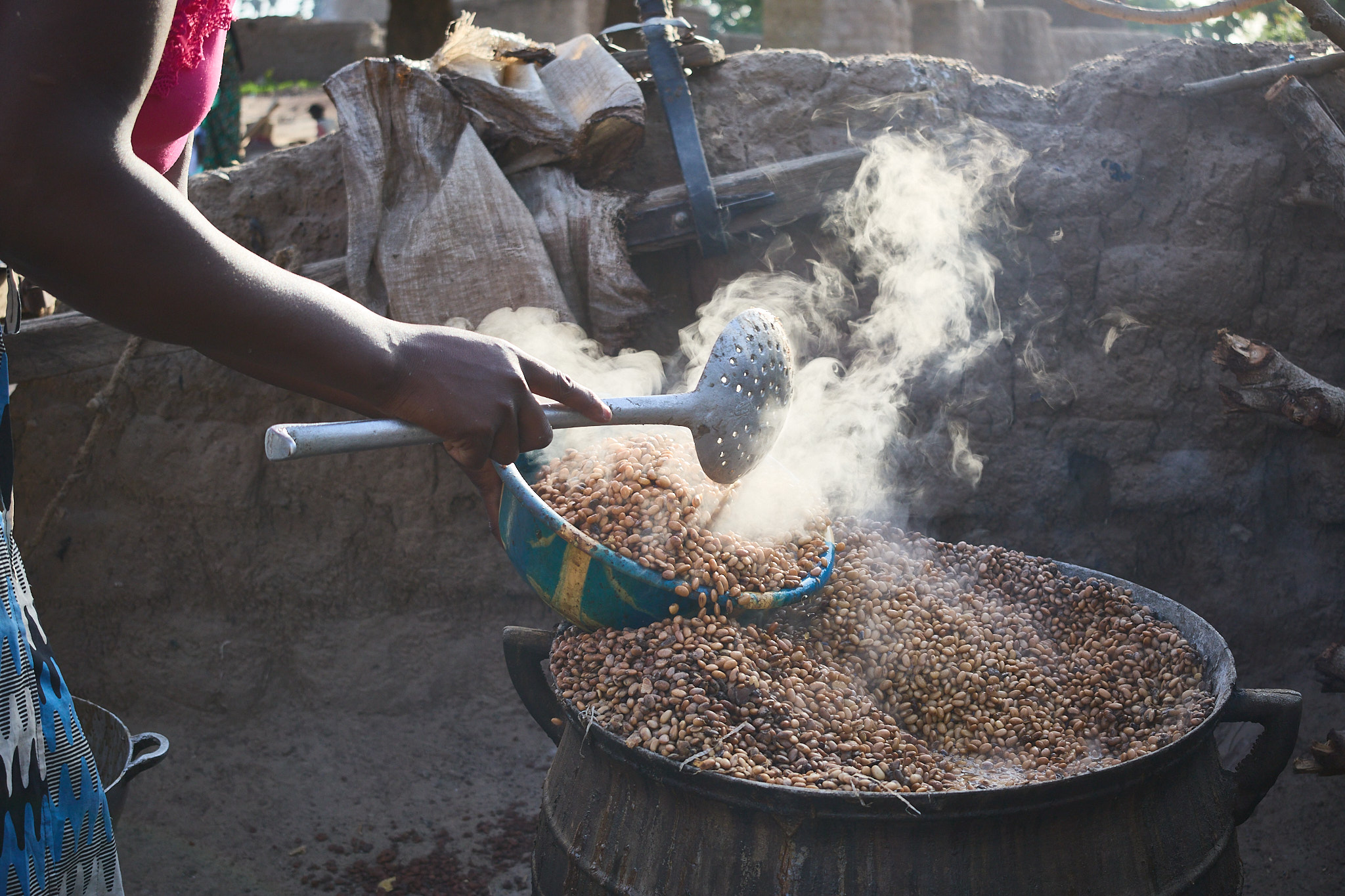
« Soumala is much more than just a seasoning: it is a genuine culinary and cultural heritage shared by Mali, Guinea, Burkina Faso, Senegal and several other West African countries. Made from fermented néré seeds, it adds an intense, natural flavour that enhances dishes whilst serving as a substitute for shop-bought stock cubes. Rich in plant-based protein and iron, it contributes to a healthy and balanced diet. Thanks to the fermentation and drying processes, it can be stored for several months without refrigeration, making it a practical and sustainable product. Its production, passed down from generation to generation and carried out mainly by women, celebrates ancestral know-how and supports local economies. »
Translated with DeepL.com (free version)
Organic
Maram Ali
📍 Luxor, Egypt
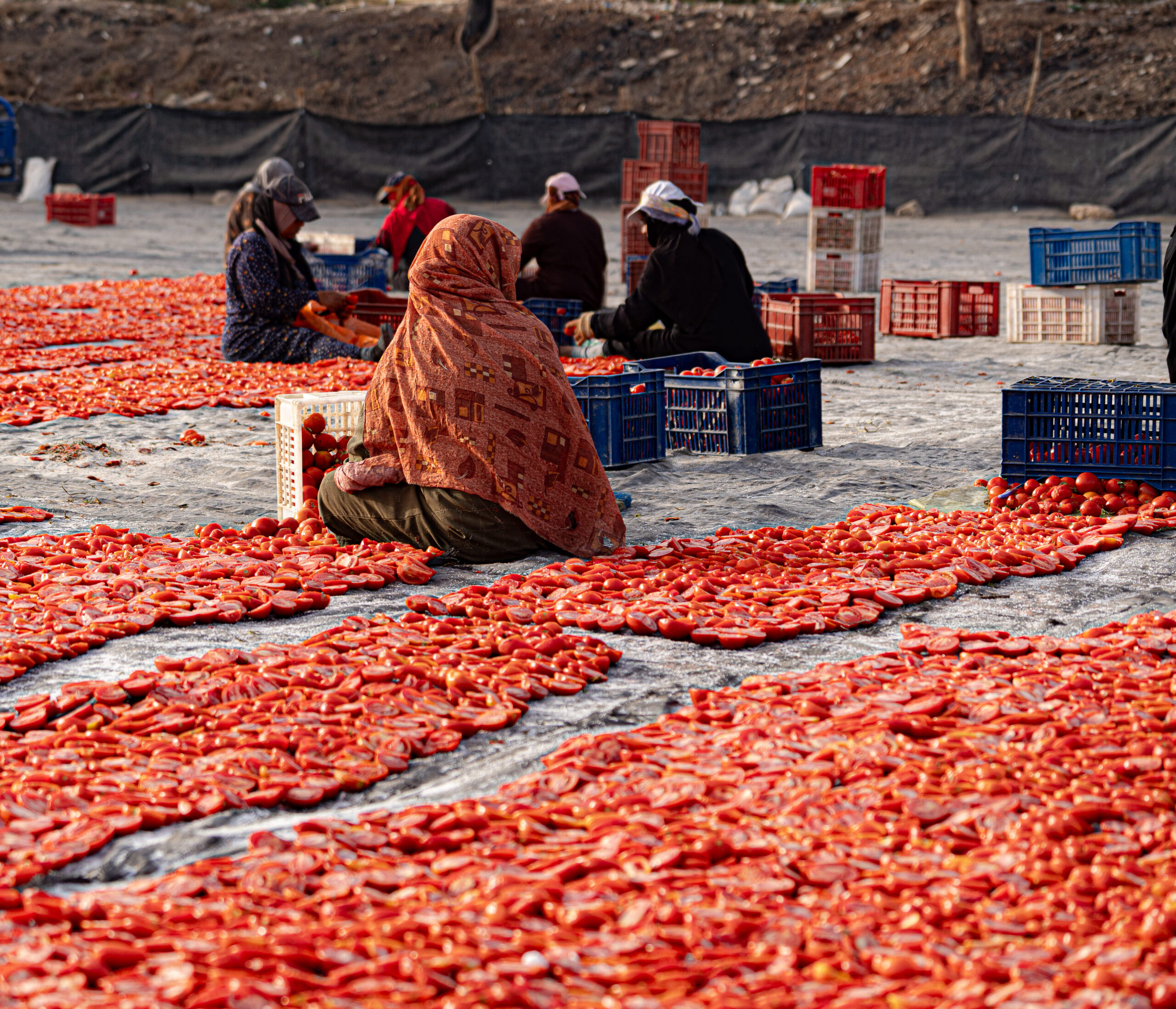
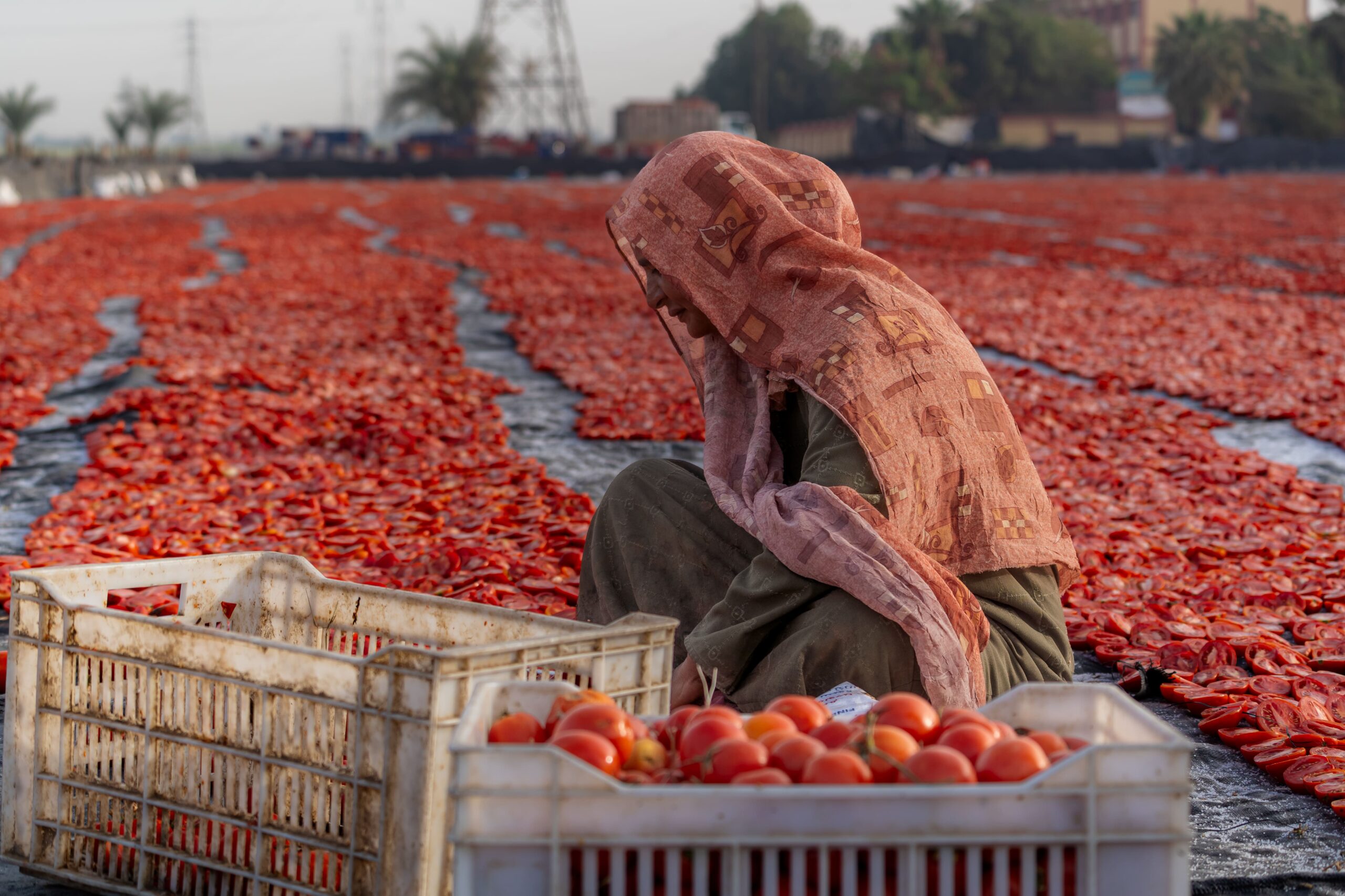
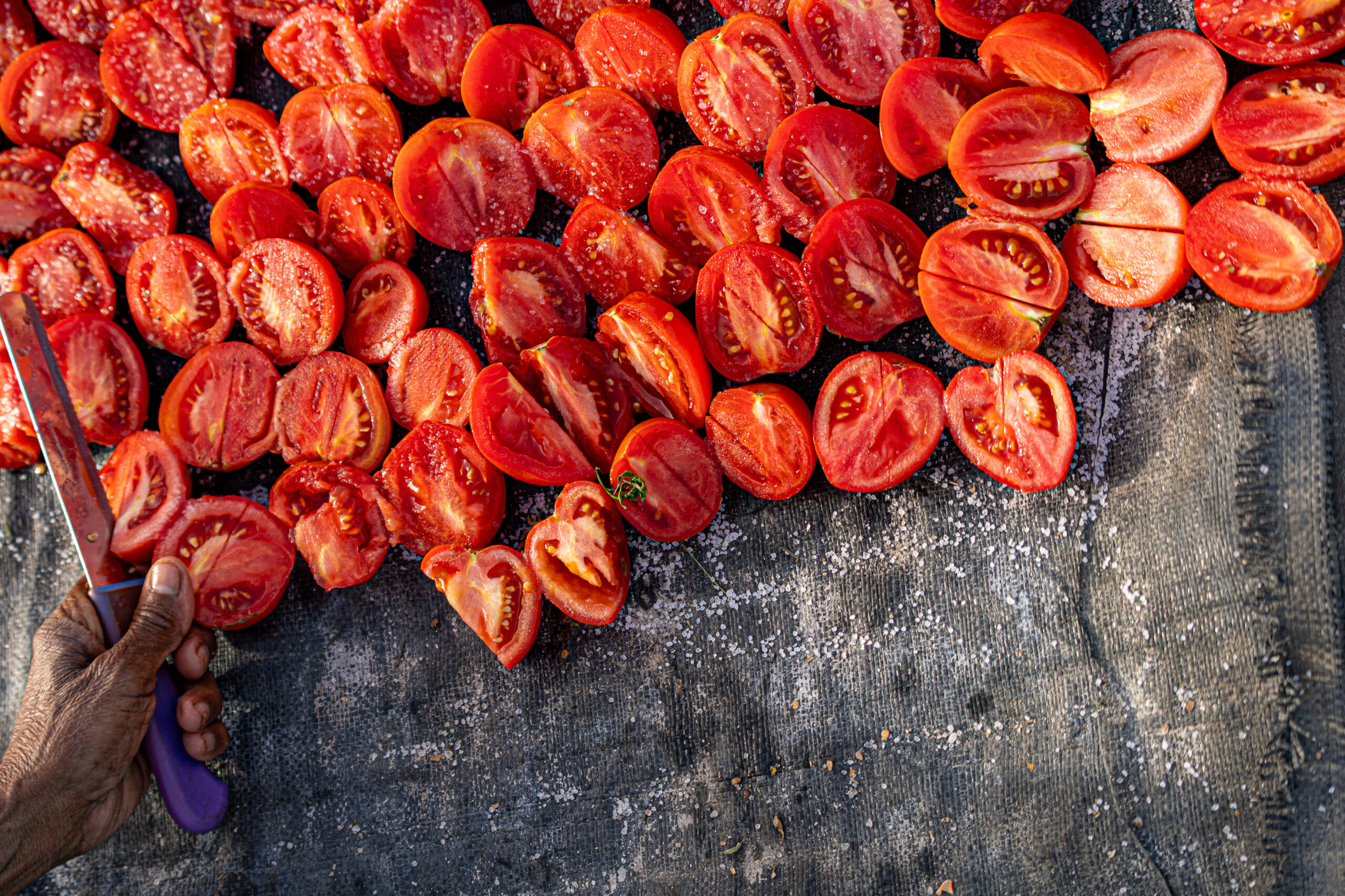
« These photos show the process of process of cutting and drying tomatoes, [which helps to keep] antioxidants and nutrients in the tomato. This ensure that it can be used for cooking much healthier food. Using sun drying or natural process without fire preserves the tomato’s natural goodness. This process usually takes place in Luxor and upper Egypt due to high sunny conditions. »
The hands that feed the nation
Georgina Ntem
📍 Accra, Ghana
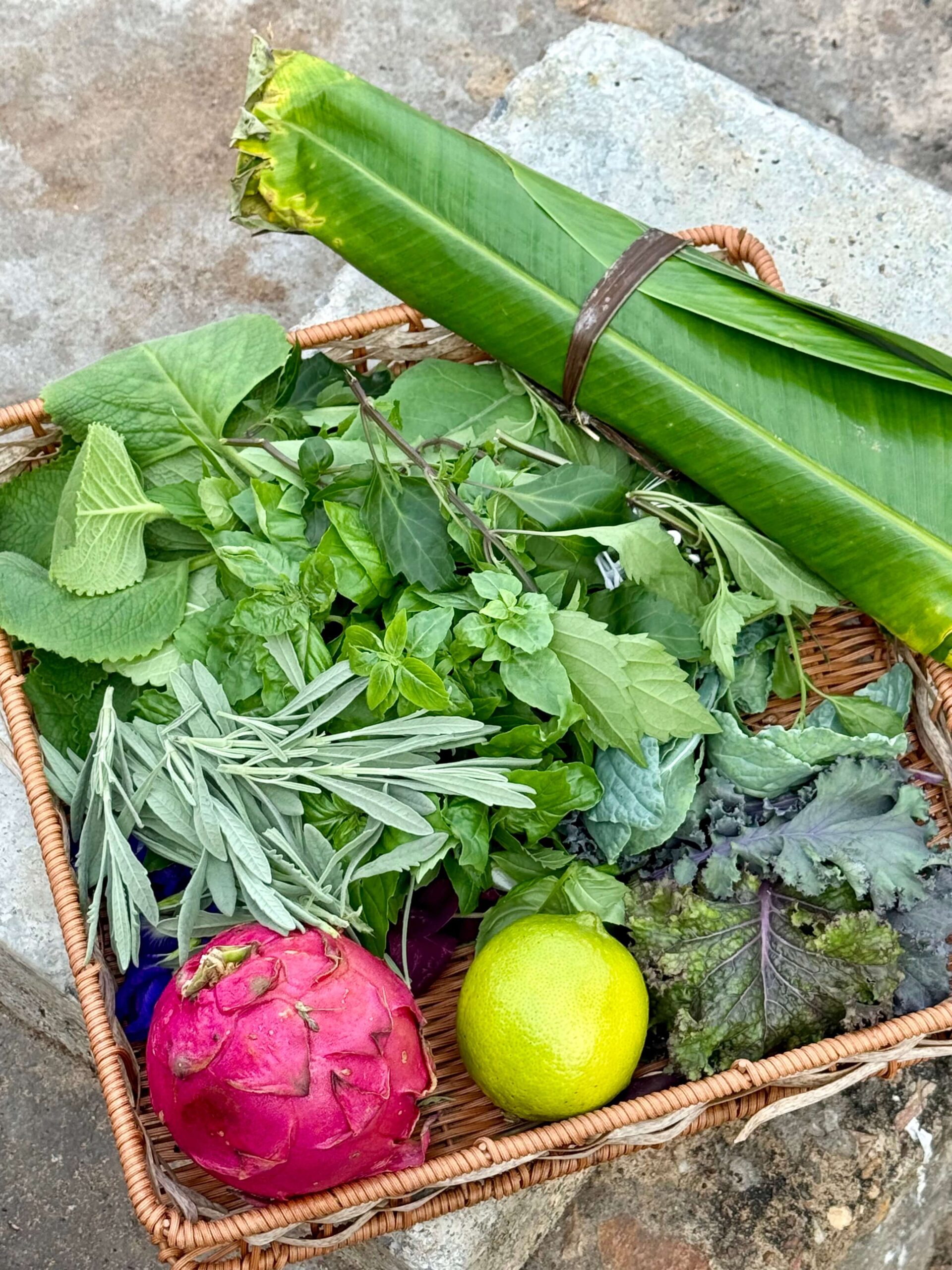
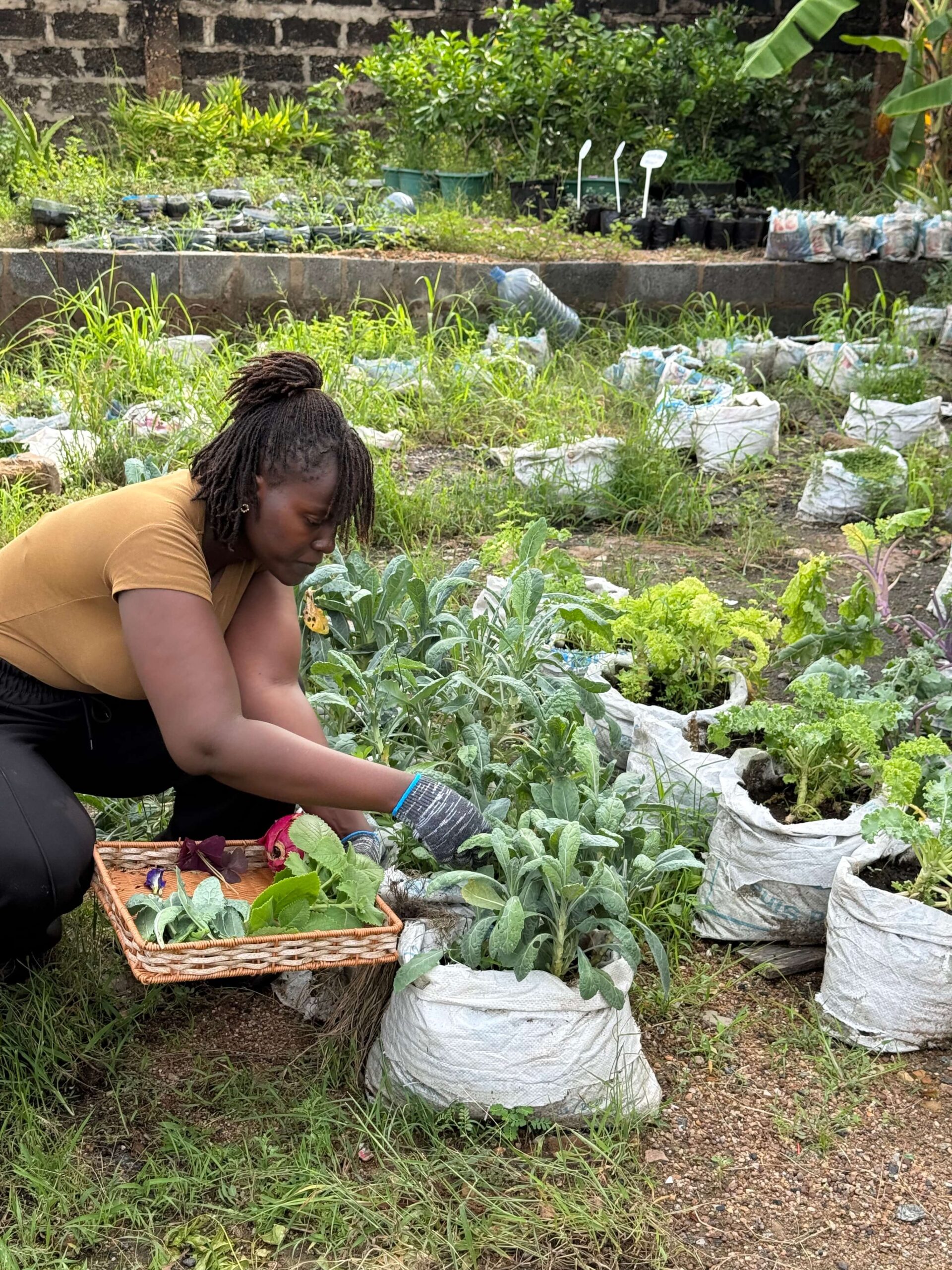
« As a dietitian, I spend much of my time helping people make healthier food choices which includes connecting them to the right source.
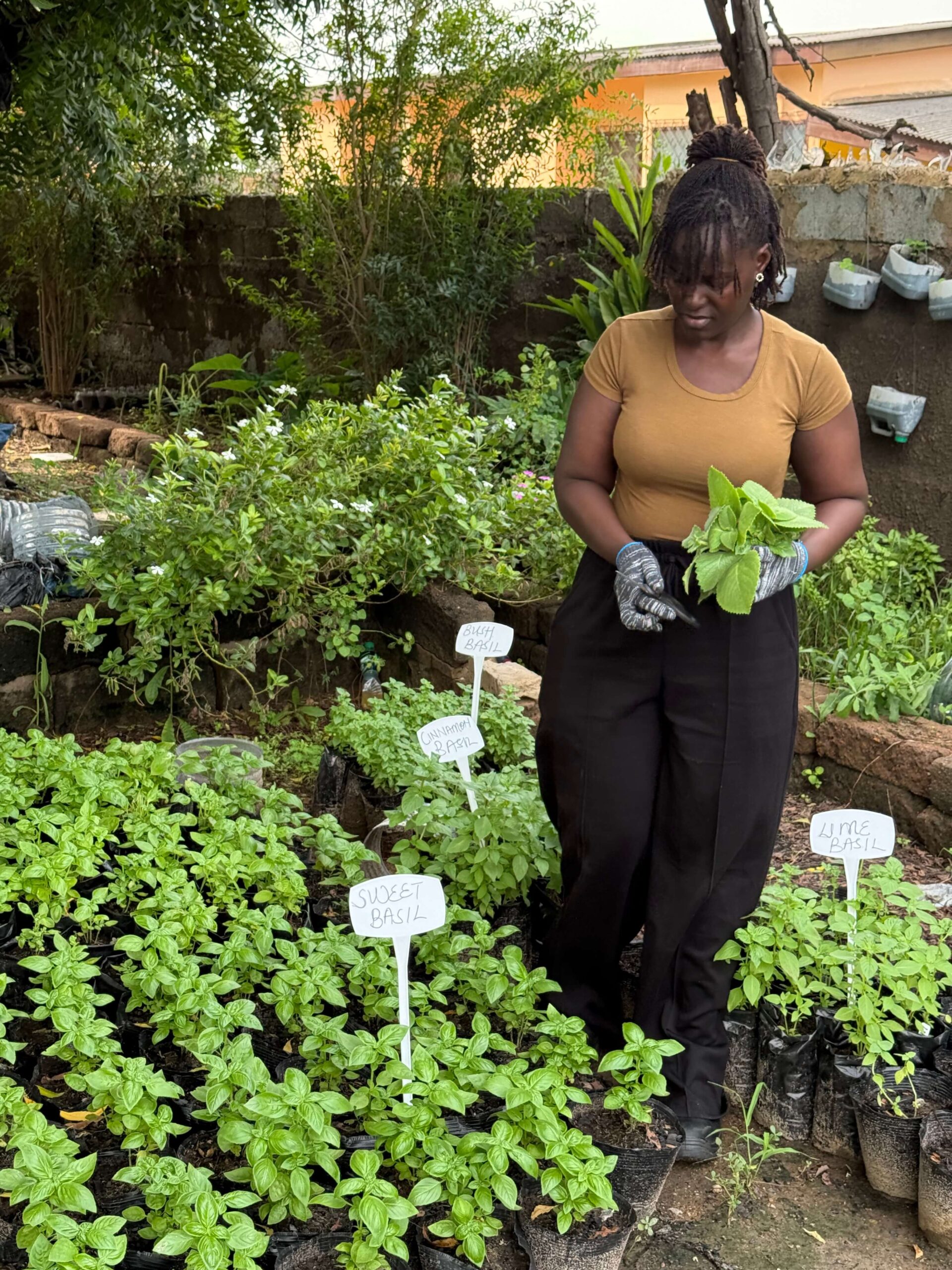
For the longest, Cama Gardens, through sustainable practices cultivates fresh, organic produce while promoting a healthier and more resilient food system for our communities.
Cama Gardens is a reflection that healthy cities depend not only on informed food choices but also on the people and practices that make fresh food accessible.
These images tells a journey, from the soil where food is grown to the hands that nurture it, and ultimately to the nourishment it provides. My Food, My Health, My City means recognizing that when we support sustainable local agriculture, we invest in healthier people, stronger communities and a healthier future. »
The photographs tell compelling individual stories but together they reveal deeper stories
Click below to explore the themes and insights that emerged from the My Food, My Health, My City showcase.