Skip to content

My Food, My Health, My City

What the 2026 #AfricanCITYFOODMonth photo showcase revealed about the reality of healthy eating in African cities


Healthy eating is often framed as a matter of personal choice: “Eat more vegetables.” “Cut back on sugar.” “Read the label.” “Plan your meals.” But anyone who has rushed between work, school, public transport and family responsibility knows that healthy eating is rarely that simple, more so when constrained by low or uncertain income.

Across Africa, diet-related diseases such as diabetes, hypertension and obesity are rising as ultra-processed foods become more available and as urban lifestyles change. At the same time, many urban households struggle to afford the variety of foods needed for a healthy diet. The result is a difficult contradiction: people are encouraged to make healthier choices, while the environments around them do not always make those choices easy, affordable or convenient. 

That is why this year’s #AfricanCITYFOODMonth photo showcase asked a simple but pointed question: in cities where life moves fast, how do you make healthier food choices that work for your day?

The richly varied submissions from cities across Africa offered a glimpse into how people navigate these realities every day. As showcase curators, we expected that the photographs would depict good nutritional practices, make reference to nutrition in a scientific manner or showcase traditional understandings of healthy foods or diets. We were warmly surprised to find that many  entries presented a more expansive interpretation of “healthy” shaped by convenience, time, culture, affordability, access, livelihoods and rapidly changing food environments; notably many images drew a tension between a desire to choose healthy food and an inability to do so, or provided nuanced emphasis on a healthy food that was consumed in unhealthy or unsafe environments.

Several perspectives emerged from the shortlist, each pulling at a different thread of what “healthy” actually means in an African city.

What counts as “healthy” eating is shaped by familiar foods and local food knowledge

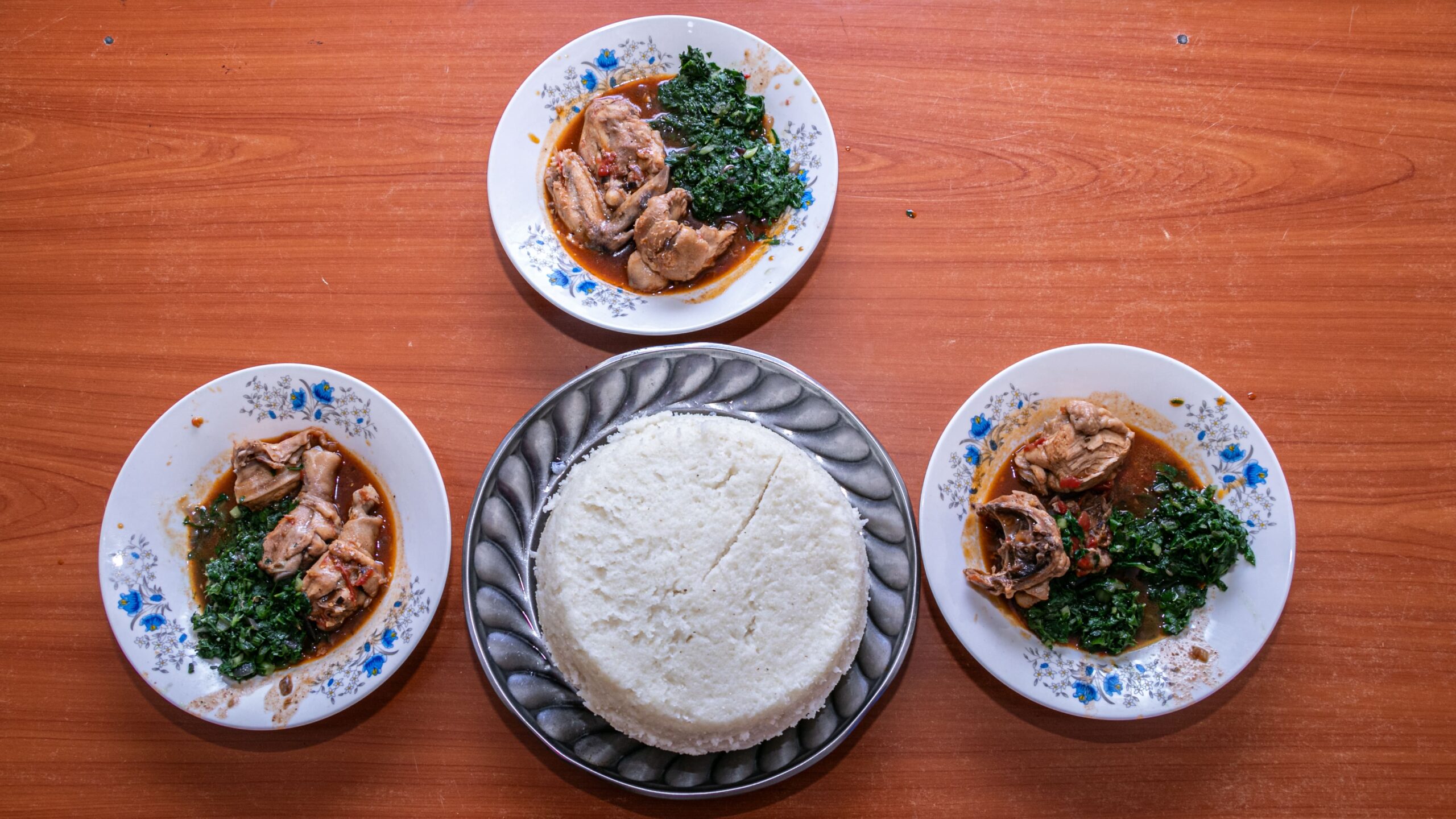
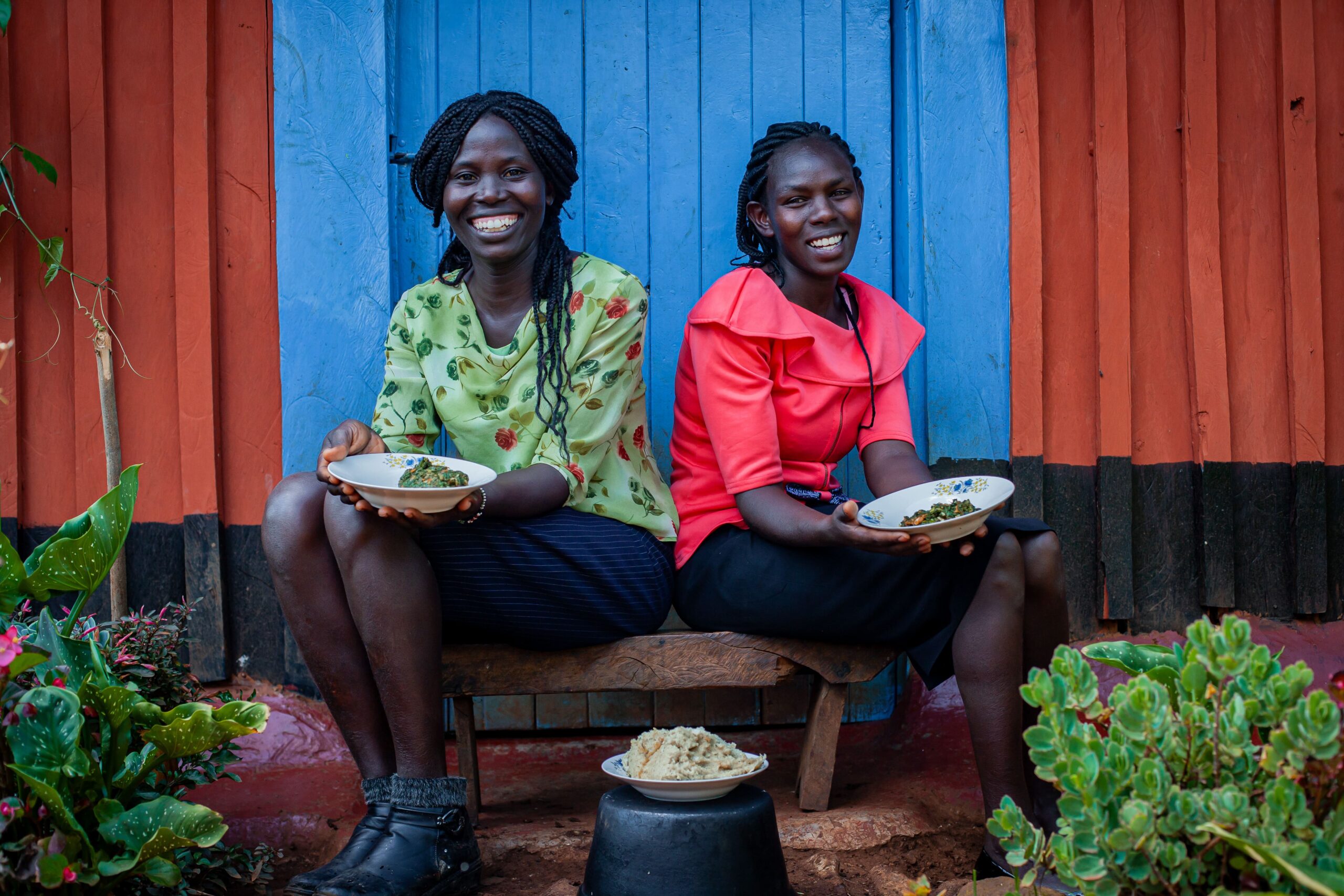
Making healthy food choices in cities often begins with the foods people already know and the places where they find them. From Lusaka to Lweza to Nairobi, local ingredients, culinary traditions and local food knowledge continue to influence everyday diets. Nshima, sadza or ugali appeared, in many submissions, alongside protein and fresh vegetables sourced from neighbourhood markets, spaza shops, small food businesses, home gardens and community gardens.


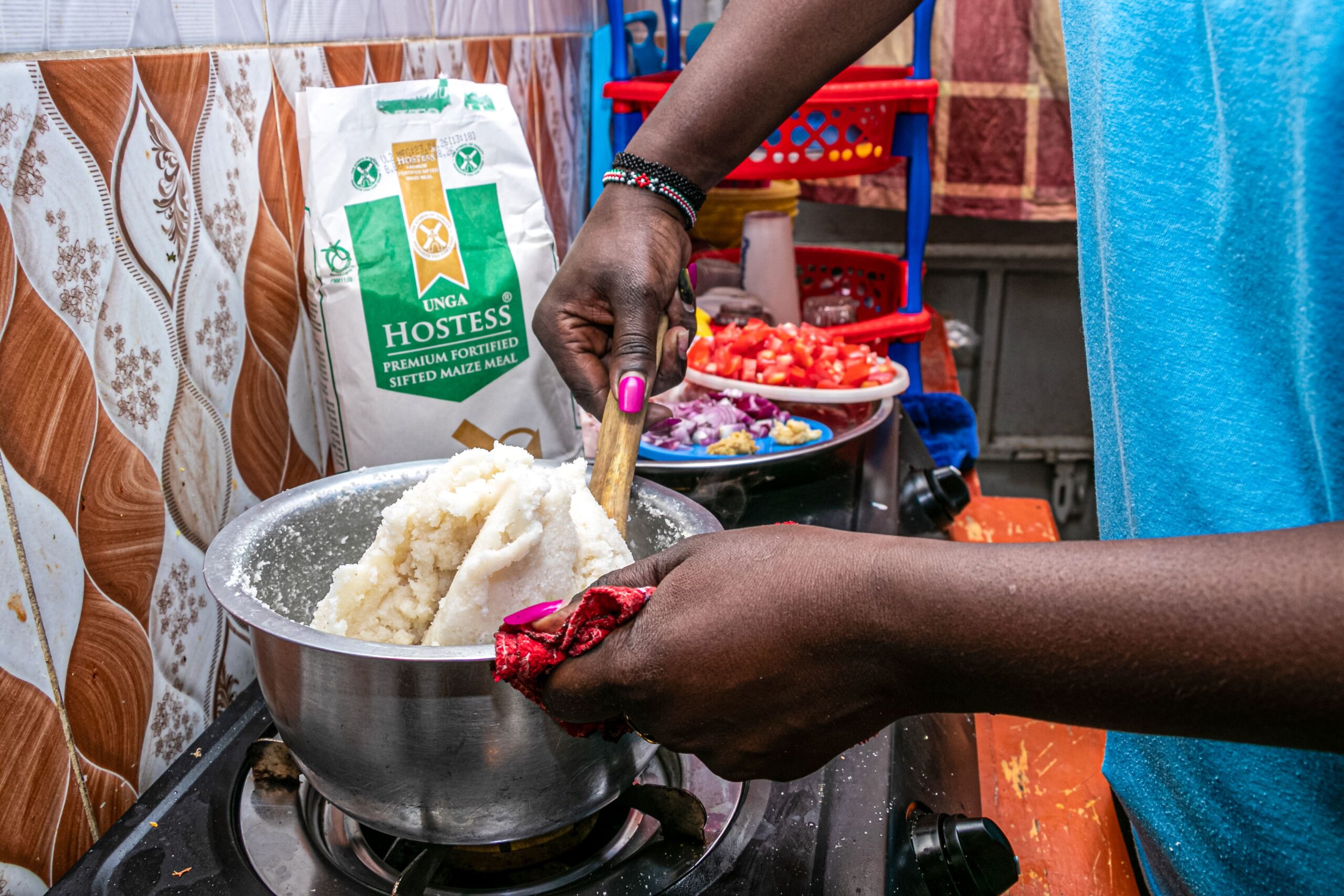
 A number of entries went further, into the home kitchen itself, capturing someone cooking a meal from scratch – for many entrants, that act of home cooking, more than any single ingredient, was what made a meal feel healthy. These examples challenge the idea that healthier eating requires abandoning familiar staples. What matters is also what accompanies them, how they are prepared and the overall balance of the meal.

The opportunity is not necessarily to replace everyday foods but to build on them. Some of the smallest interventions matter here too: fortified staples like maize meal and bread quietly add missing micronutrients to plates most households wouldn’t otherwise restructure.

But the instinct for what feels healthy runs up against a harder question: what happens when the environment itself works against it?

Healthy choices are shaped by the food environments people navigate

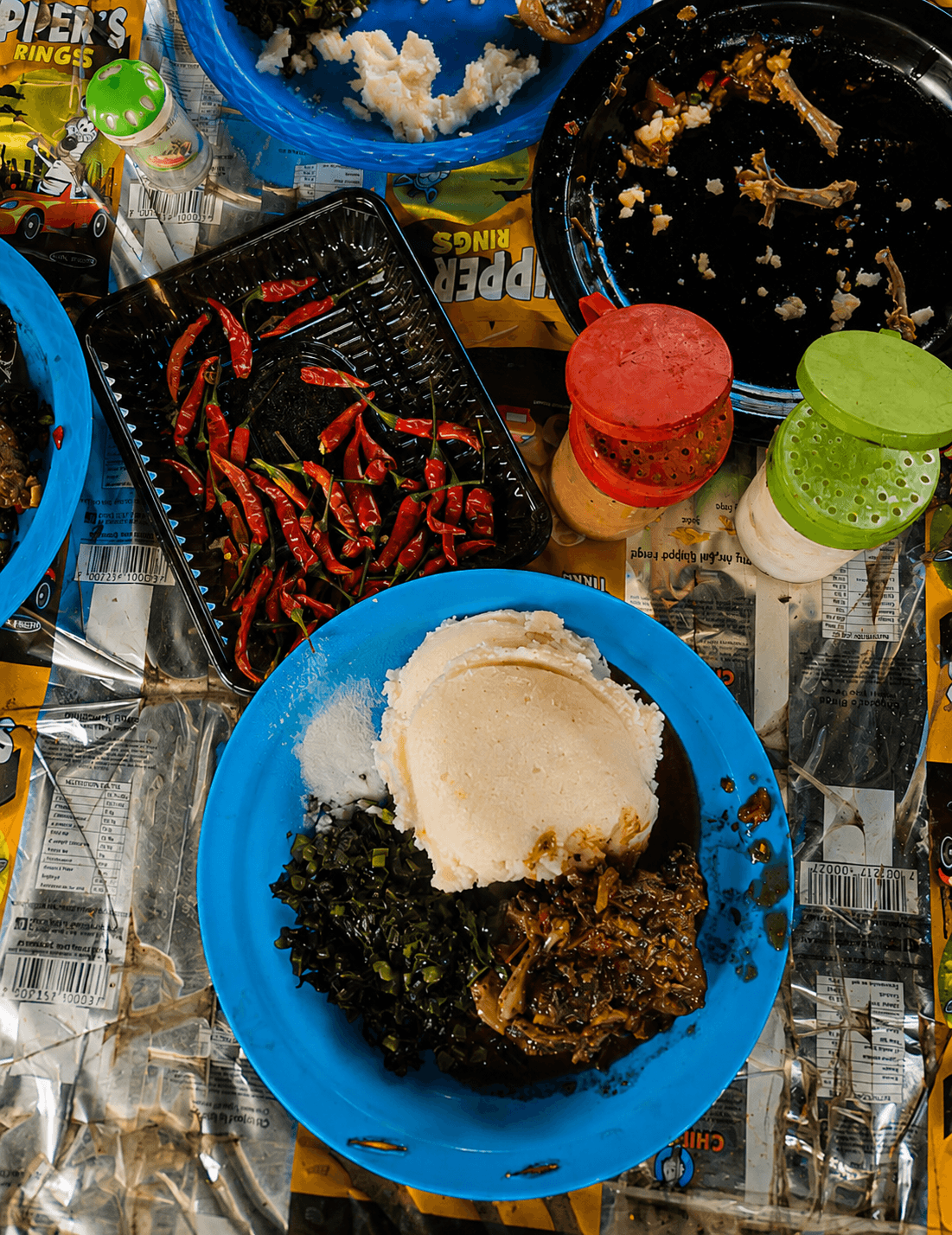
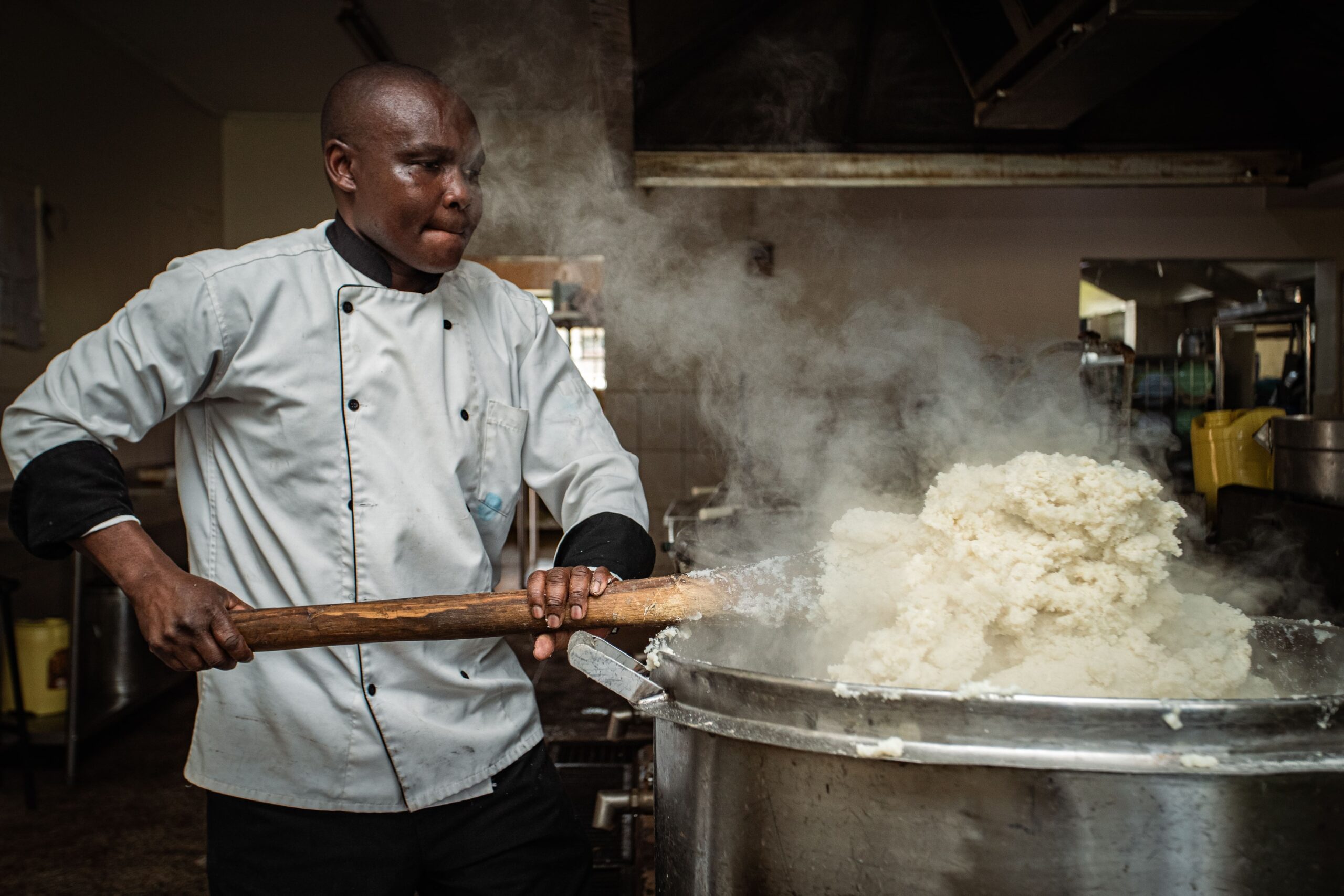
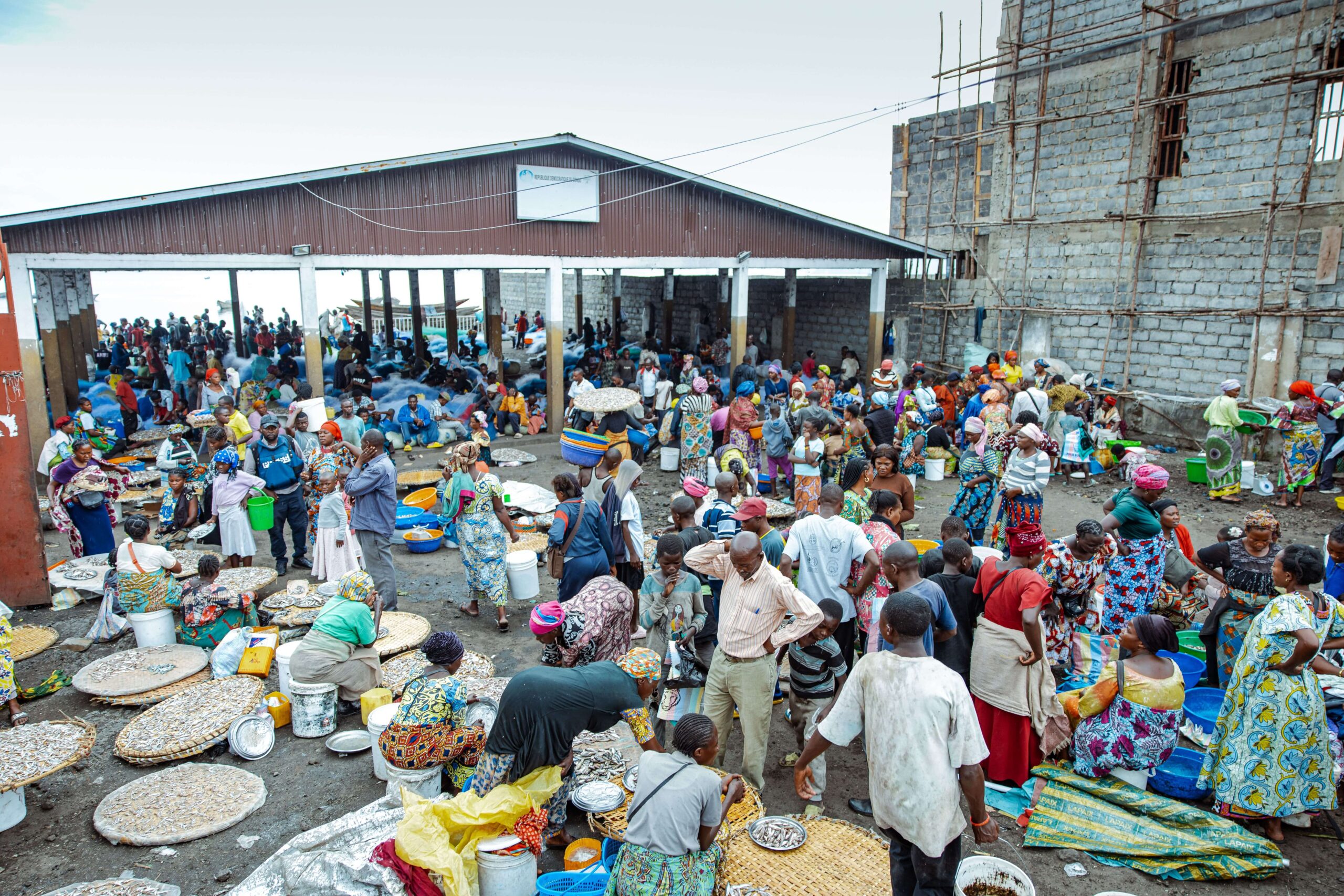
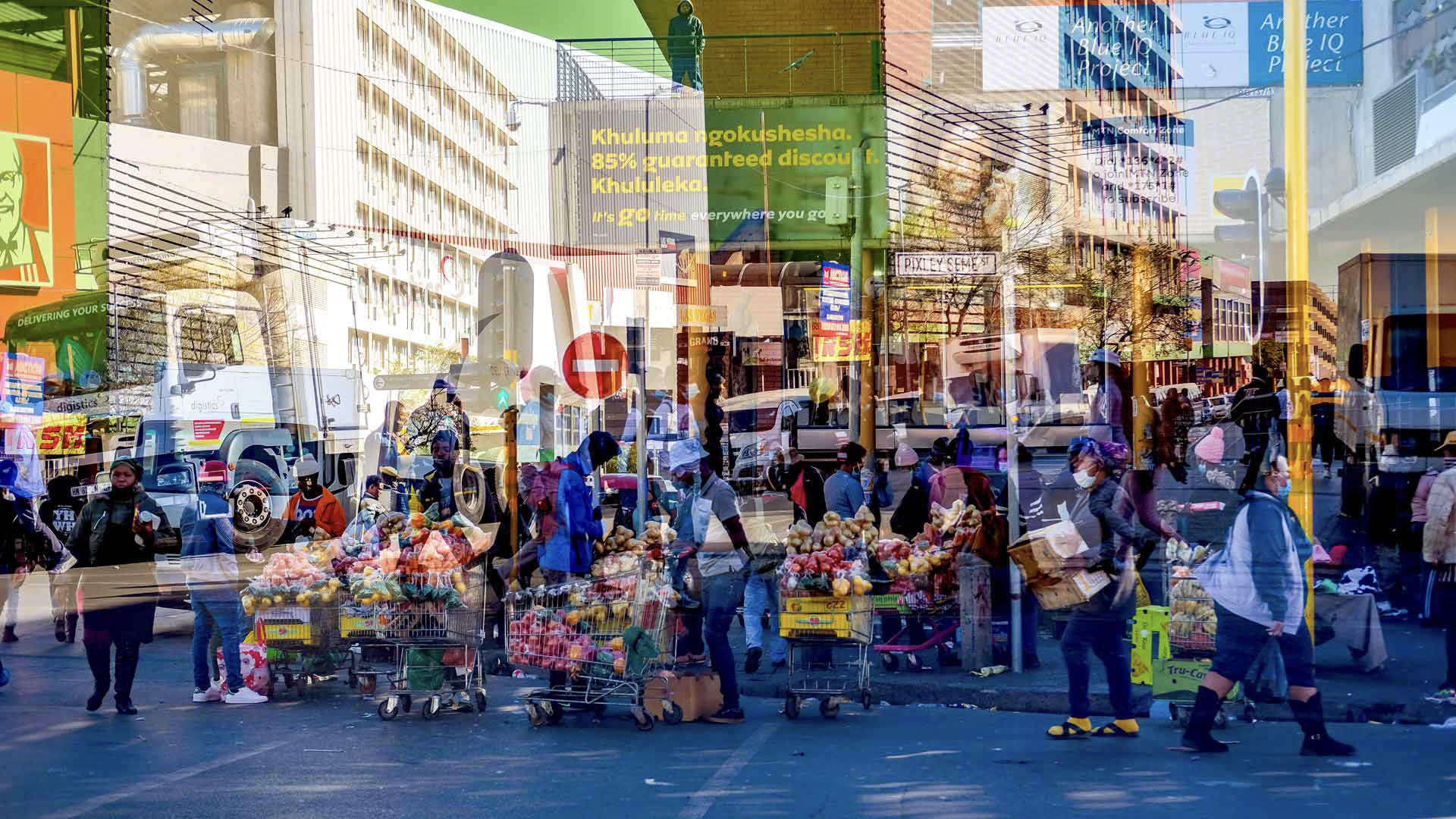
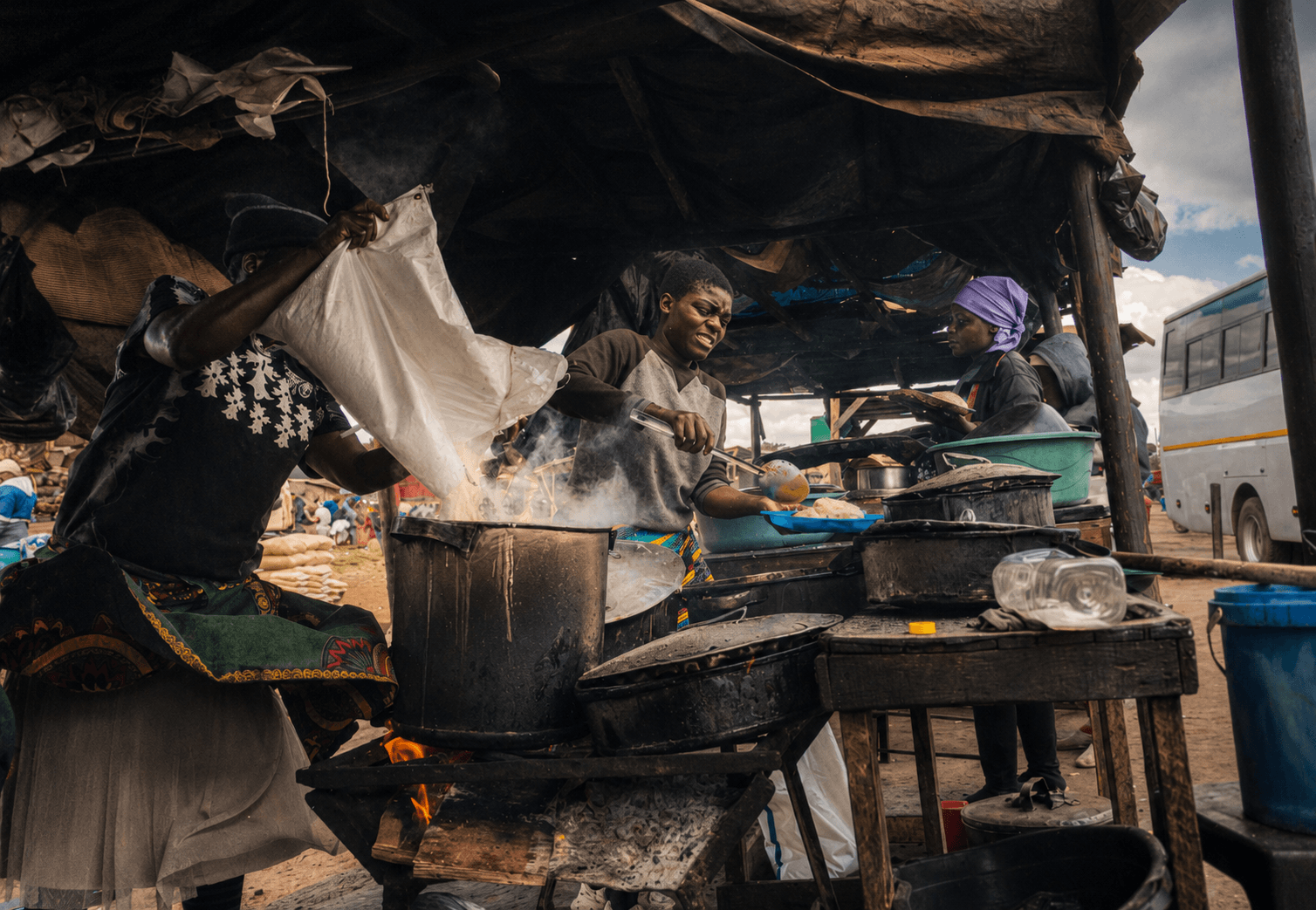
Health extends beyond what is on the plate: what people can build a healthy diet from depends, in part, on what is available and accessible to them. Some photos taken in Harare, Johannesburg, Kisumu and Goma, for instance, captured the chaotic, smoky or precarious environments where food is commonly prepared, despite respiratory and other health risks related to breathing in indoor smoke in poorly ventilated spaces. These are risks carried not only by the people eating, but by the vendors and cooks who spend entire working days in these conditions. Where food- and water-borne disease remains a real risk, hygienic preparation is as essential to a healthy food environment as the ingredients themselves, for suppliers and consumers alike. 

For many city residents, supermarkets – which also featured in the submissions – are part of the everyday food environment, offering a range of food in a single place and fitting into increasingly busy routines. They can offer convenience, consistency and controlled food preparation environments but they also sit within more commercialised food systems where highly processed and heavily marketed foods are readily available. At the same time, more informal food environments can offer forms of accessibility and personalisation that supermarkets may not, from buying fresh produce in the quantities needed to having it prepared according to individual preferences. The contrast is a reminder that healthy food environments are not defined by whether a space is formal or informal, but by how well they enable people to access safe, affordable and nutritious food.

The people feeding our cities can help unlock healthier choices

The spaces where urban residents access food are also determined by the people who sell, prepare and serve food within them. Street and market vendors, small restaurants and food entrepreneurs in Accra, Abuja and Addis Ababa featured throughout the images, spotlighting the vital role they play in feeding busy urban populations and reimagining traditional recipes, while creating their livelihoods.

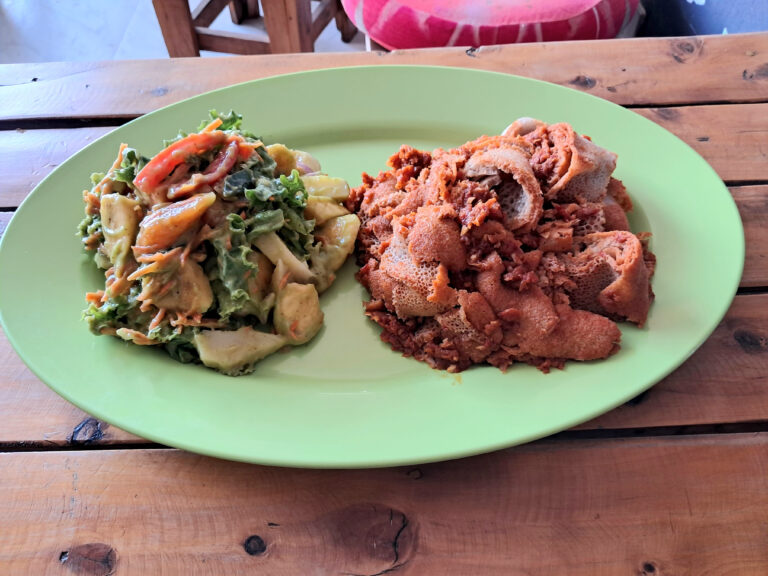
For instance, Eskedar Tesfaye proudly spotlights her juice bar and restaurant located in the Addis Ababa CBD where she also serves an exciting modern take on traditional food: a “half-and-half” plate combining fresh salad with a staple food, injera firfir.

By offering and adapting nutritious options where possible, these food providers can help make healthier choices more visible, accessible and relevant to life in cities – particularly when the wider food environment enables them to do so.


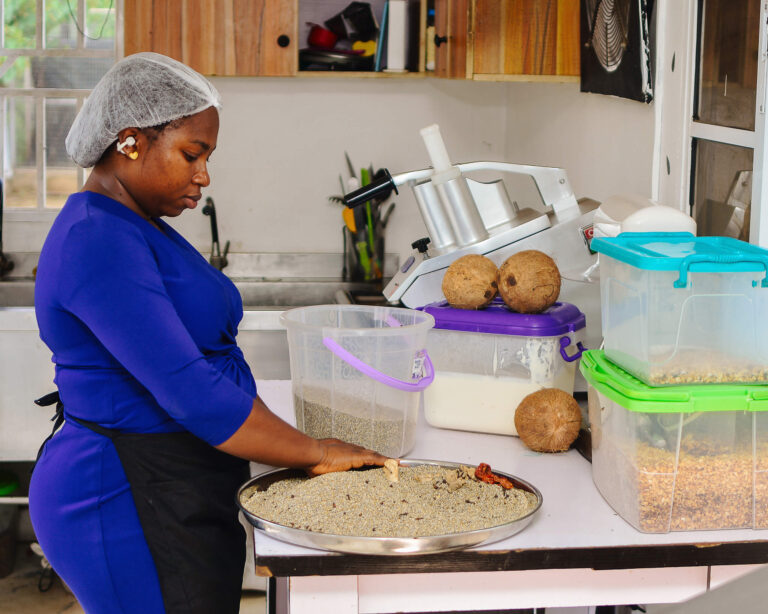
Where more common representations of African cities stop at smoke-filled informal dwellings, several entries challenged this, showing modern kitchens, upmarket restaurants and entrepreneurs serving customers who want healthy, globally-inspired food with local roots. It is precisely this kind of shift in the picture that our photo showcases are working toward – changing how Africa’s food story is seen, both within the continent and beyond it.

Food as connection and celebration is health too

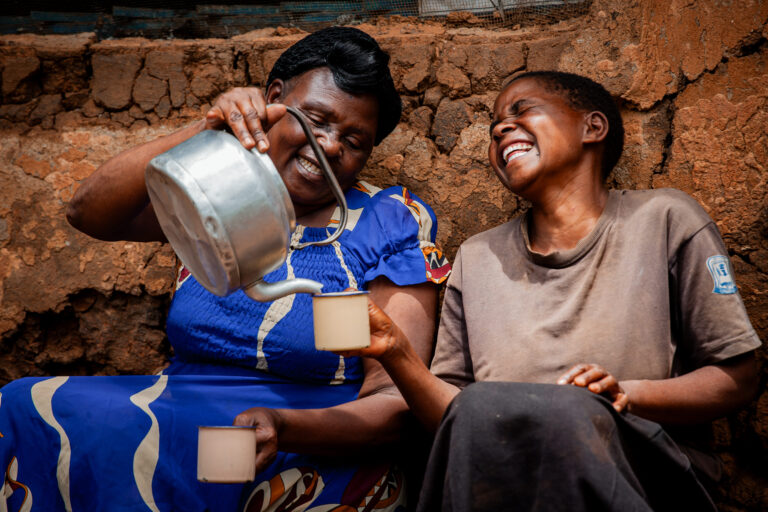
Entries from Bamako, Cairo, Cape Town, Mombasa and Mogadishu show how centuries of culinary tradition and local ingredients still shape how people grow, prepare and share food, with a few framing food and drink as a catalyst for connection, care and community. 

Food is about far more than physical nourishment: eating together creates a powerful opportunity for social connection, belonging and mental well-being, with research evidence suggesting that shared meals can reduce loneliness and improve quality of life. At a time when loneliness and a lack of social ties are increasingly recognised as major public health challenges — with particularly high rates among young people and in lower-income countries — the communal meal should be understood as an important piece of urban health infrastructure: a simple, culturally rooted way to bring people together and strengthen the social resilience of communities. 

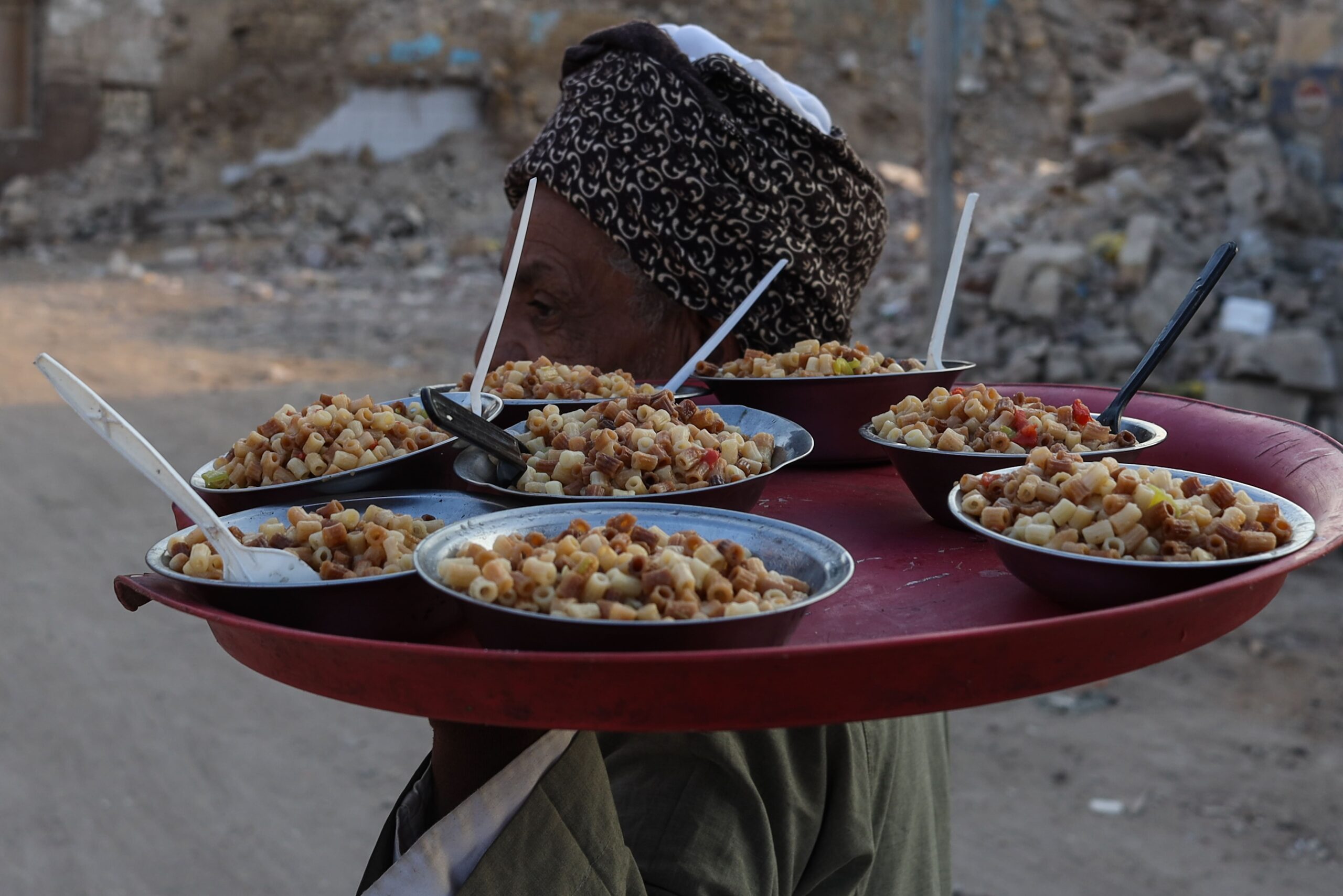
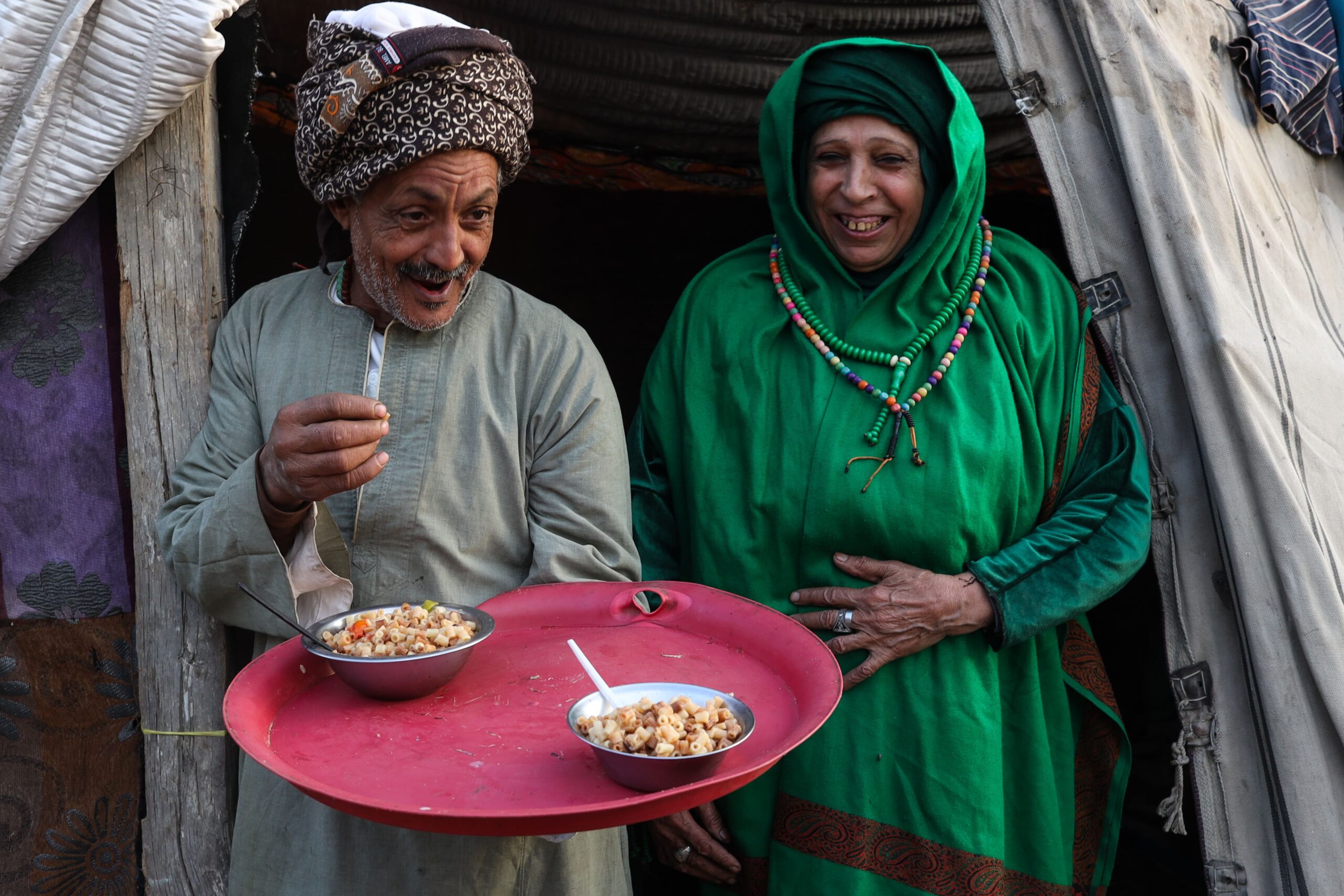
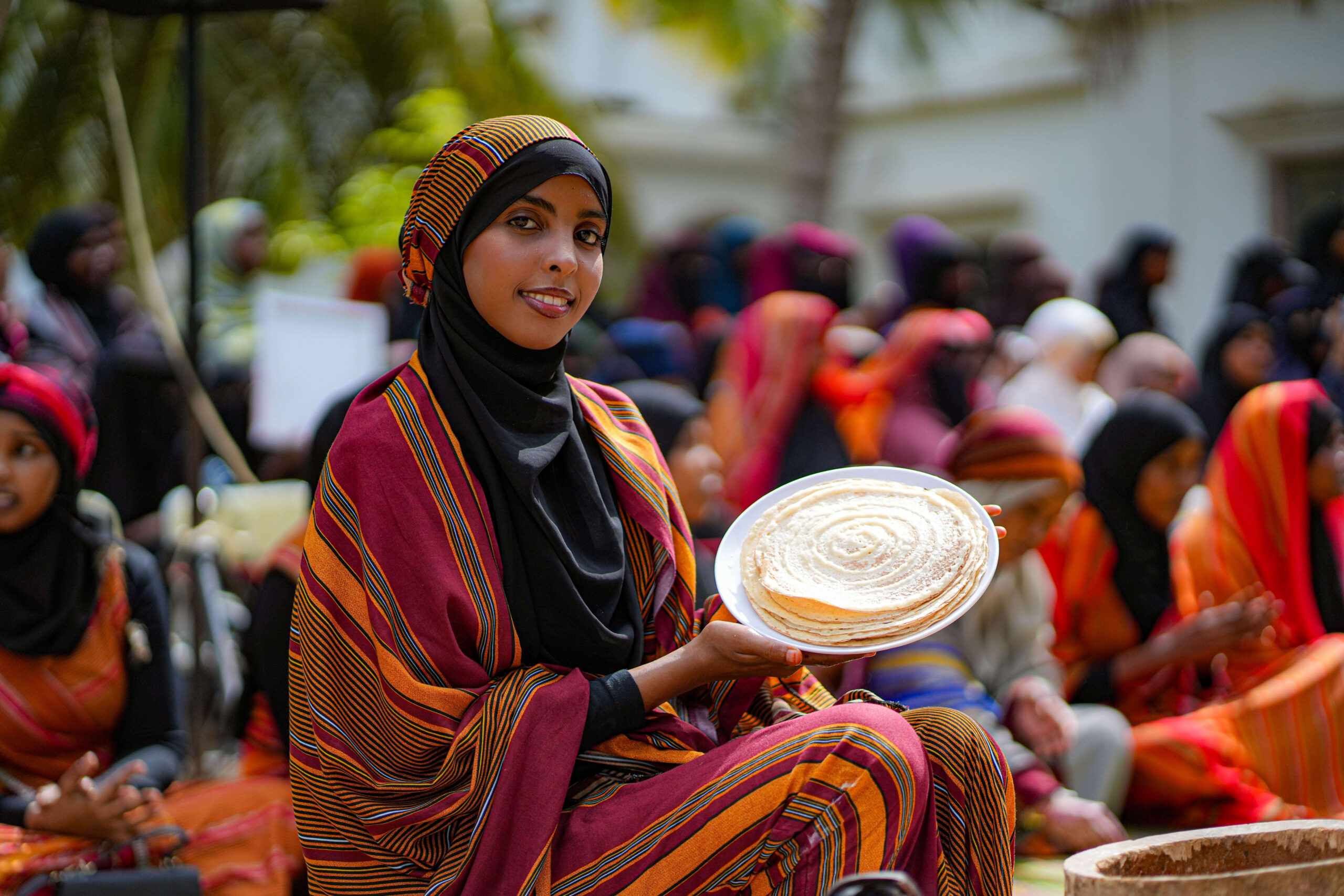
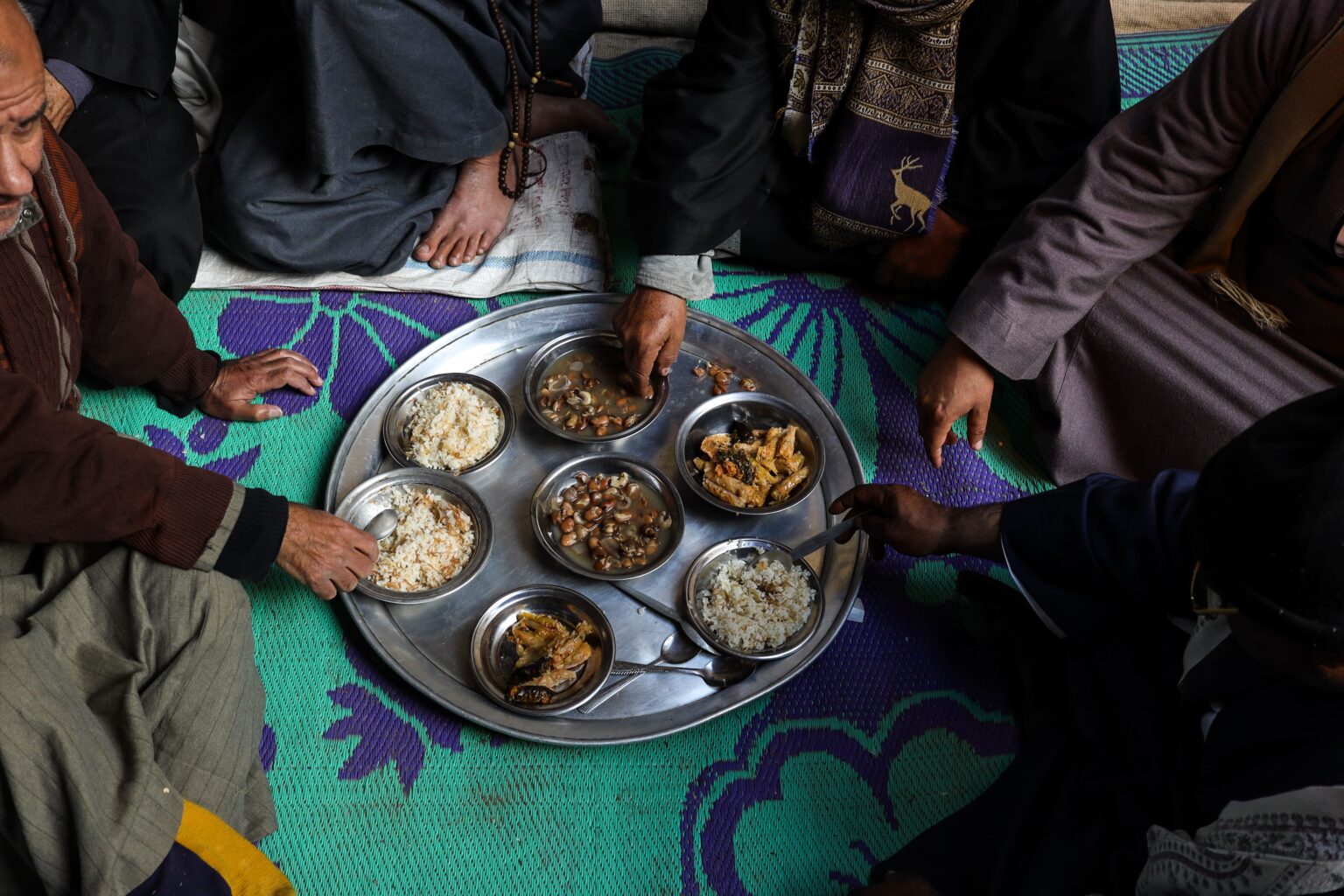
Photos showing Egyptian koshary being served during Mawlid festival celebrations in Cairo evoke a sense of warmth and togetherness, illustrating how this dish connects people socially and through religious traditions. Similarly, striking imagery of canjeero being prepared at a gathering in Mogadishu captures traditional food that speaks to Somali cultural identity and healthy daily eating for the city’s residents.

Photos showing Egyptian koshary being served during Mawlid festival celebrations in Cairo evoke a sense of warmth and togetherness, illustrating how this dish connects people socially and through religious traditions. Similarly, striking imagery of canjeero being prepared at a gathering in Mogadishu captures traditional food that speaks to Somali cultural identity and healthy daily eating for the city’s residents.

These photographs remind us that food can contribute to wellbeing not only through what we consume, but also through the relationships, traditions and sense of belonging that surround it. If belonging and social connection are part of what makes food meaningful and contributes to wellbeing, food systems work needs to account for that too – a case Doaa Adel, Nathaniel Joseph and Clivet Chinake make especially well.

Three powerful stories of food, health and urban life

Our three winning entries capture this above range of themes well. They stood out for their impactful storytelling alongside evocative photography, each offering a distinct perspective on what healthy food can look like in an African city, and together mapping what it actually takes to build a healthy food environment – while challenging assumptions about where health, nourishment and good food are found.

In Cairo, Doaa showcases a communal kitchen during a religious festival showing food as a form of connection. Friends, families and strangers came together to enjoy traditional food, in a space where nourishment is intertwined with community. The entry captures how healthy food environments are also social settings where people gather over shared meals and care for one another – and the evidence backs up what the photograph suggests: eating together carries real mental health and wellbeing benefits of its own.
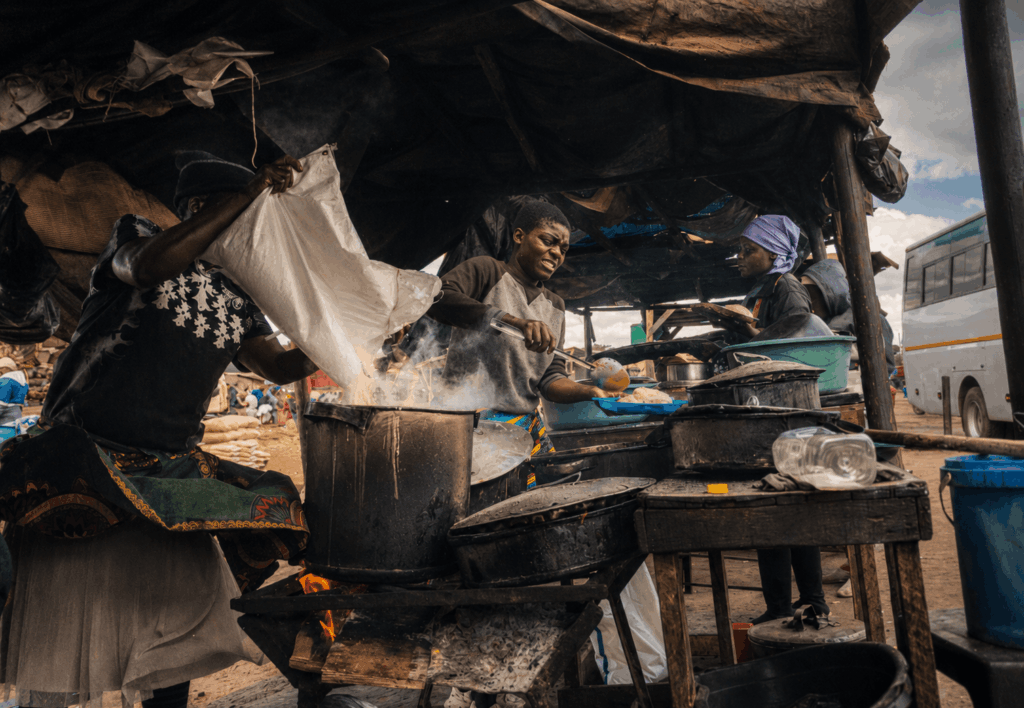
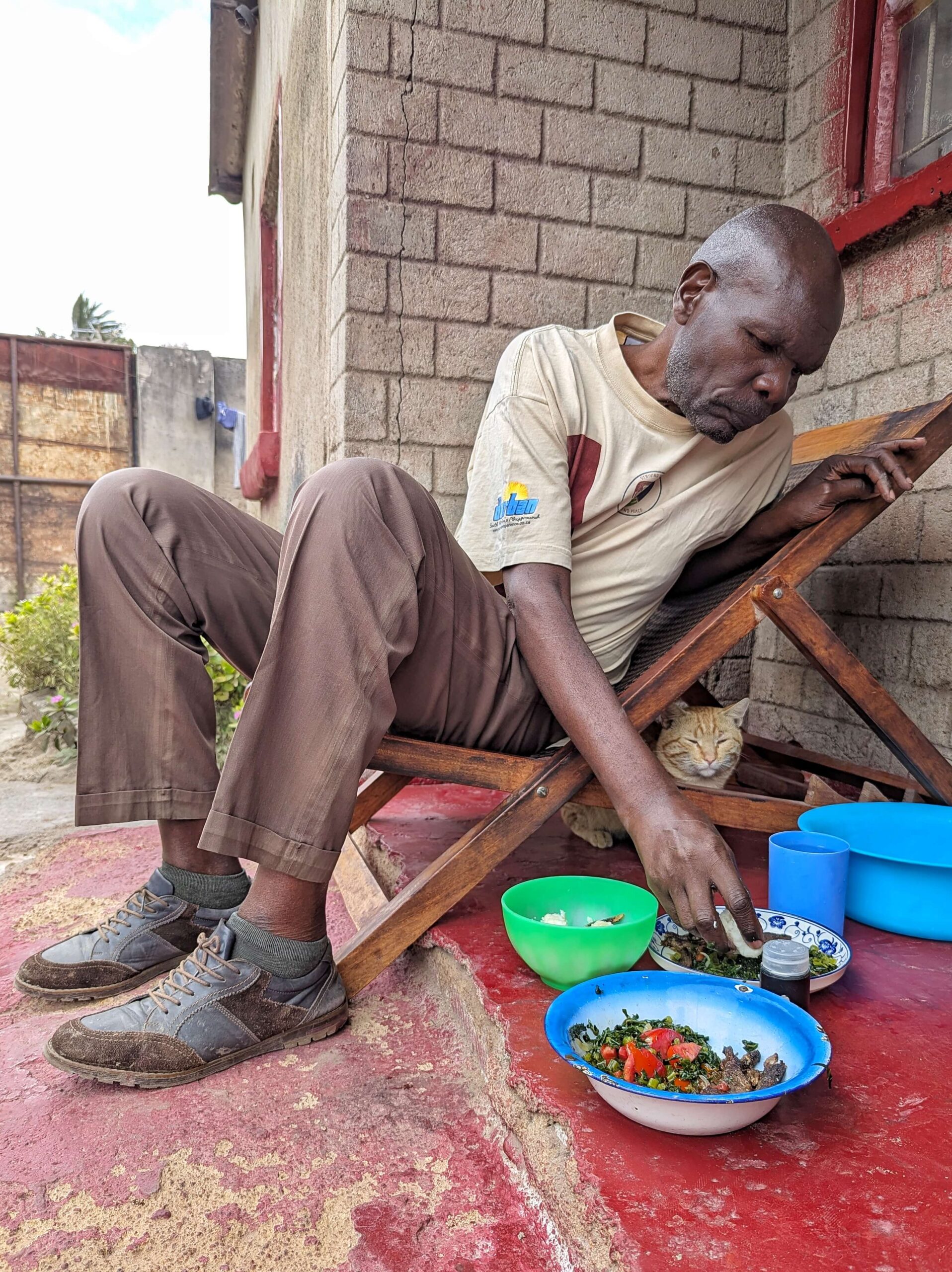
In Harare, Clivet zooms in on a plate of sadza, greens and protein, prepared from produce sourced at Mbare Musika, one of the city’s busiest markets. He captures a healthy choice, showing that traditional and healthy plates can be made affordable and accessible to urban residents and commuters.
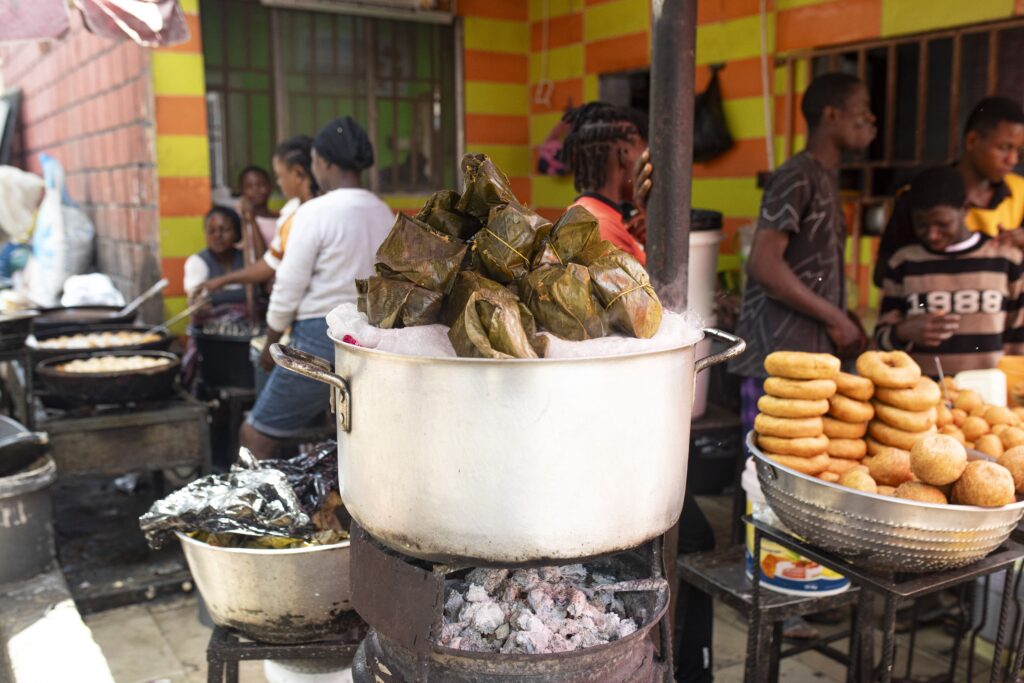
In Abuja, Nathaniel tells the story of locals queuing for moi moi beans wrapped in uma leaf at a neighbourhood restaurant, an affordable, protein-rich alternative to fast food. Here, health is presented as a choice made possible through local knowledge, food entrepreneurship and accessibility. Though animal protein is highly valued across Africa, many traditional dishes are plant-based, offering affordable and nutritious dishes.

Read together, the three winners sketch what a healthy urban food environment actually requires: food people recognise and trust, a hygienic and dignified place to prepare it, an affordable way to access it and people around the table to share it with.

These photographs challenge a dominant narrative about food in African cities that focuses only on scarcity and risk. What they show instead is adaptation, home-grown knowledge and resourcefulness that enables thoughtful food choices within urban life. 

That said, very few images depicted “clinically” healthy meals. What a photo can’t capture is the nutrients inside the food itself or the fat, salt and sugar content, and that invisibility mirrors the real challenge people face day to day to make choices on what is invisible. The hard reality is that high-fat, high-salt, high-sugar food has become the backdrop of life in urban settings across the continent, not an occasional indulgence. It is the entrenched environments and behaviours around it – not a lack of knowledge or willpower – that make healthier choices harder than they should be.

People are attempting to make healthier food choices inside the food environments they actually have or specifically choosing culturally important foods that represent or enable community and tradition. The task ahead is to build on that: to scale up the kind of healthy, affordable, hygienic food environments and practices already visible in this showcase, so that they become easy to find, not the exception.

Click below to explore the three winning entries and 17 shortlisted entries